The Journal
The Journal
Research-backed articles on training, food, sleep and family health — every claim checked against its source.
80 articles, written in plain English and referenced to peer-reviewed research and public-health guidelines. Browse by category or search for a topic.

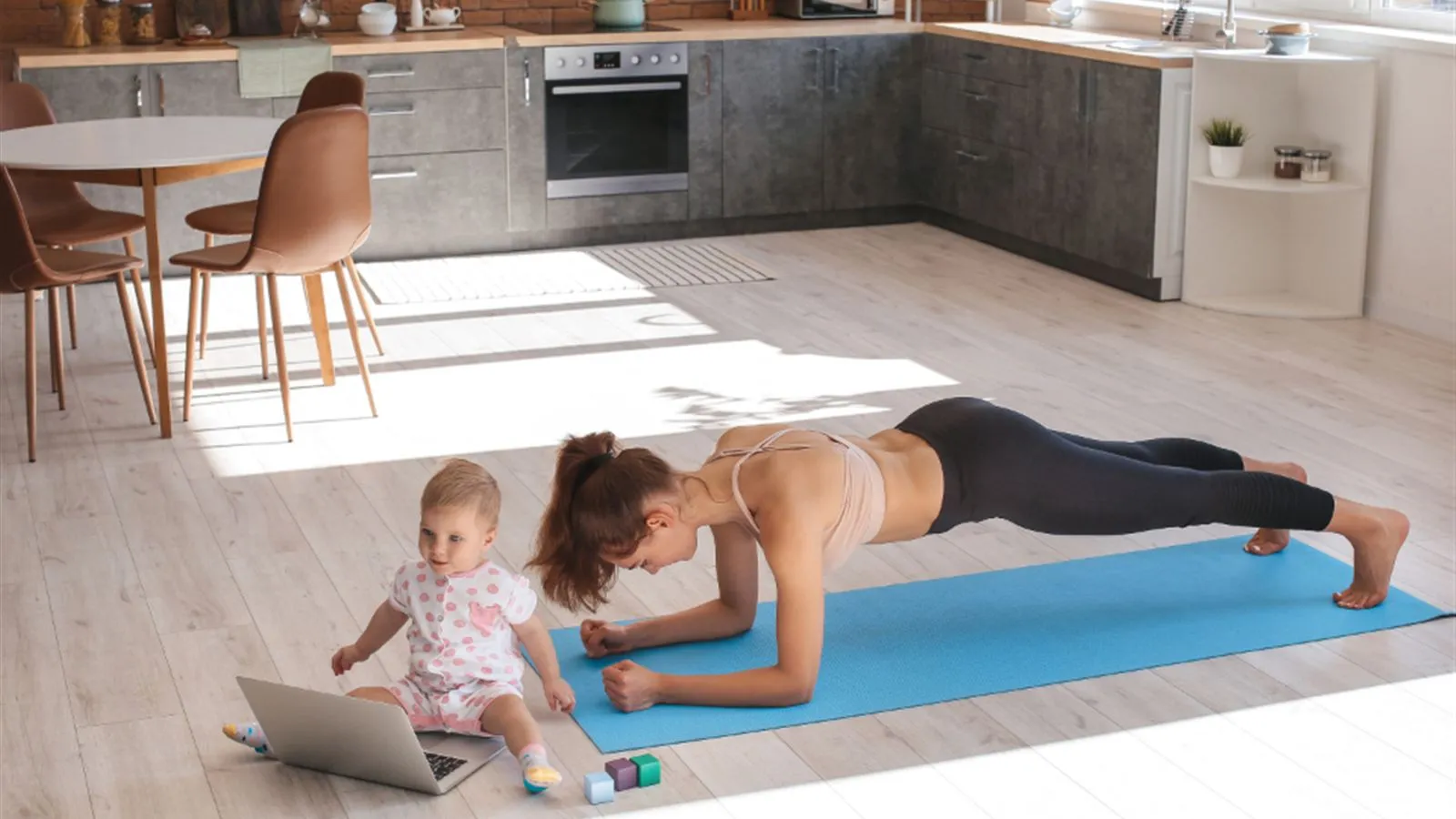
A Postnatal Walking Plan: From 10 Minutes to 150 a Week
Walking is the easiest way back to fitness after birth. A gentle, week-by-week plan with the pram, plus how to know when to step it up.
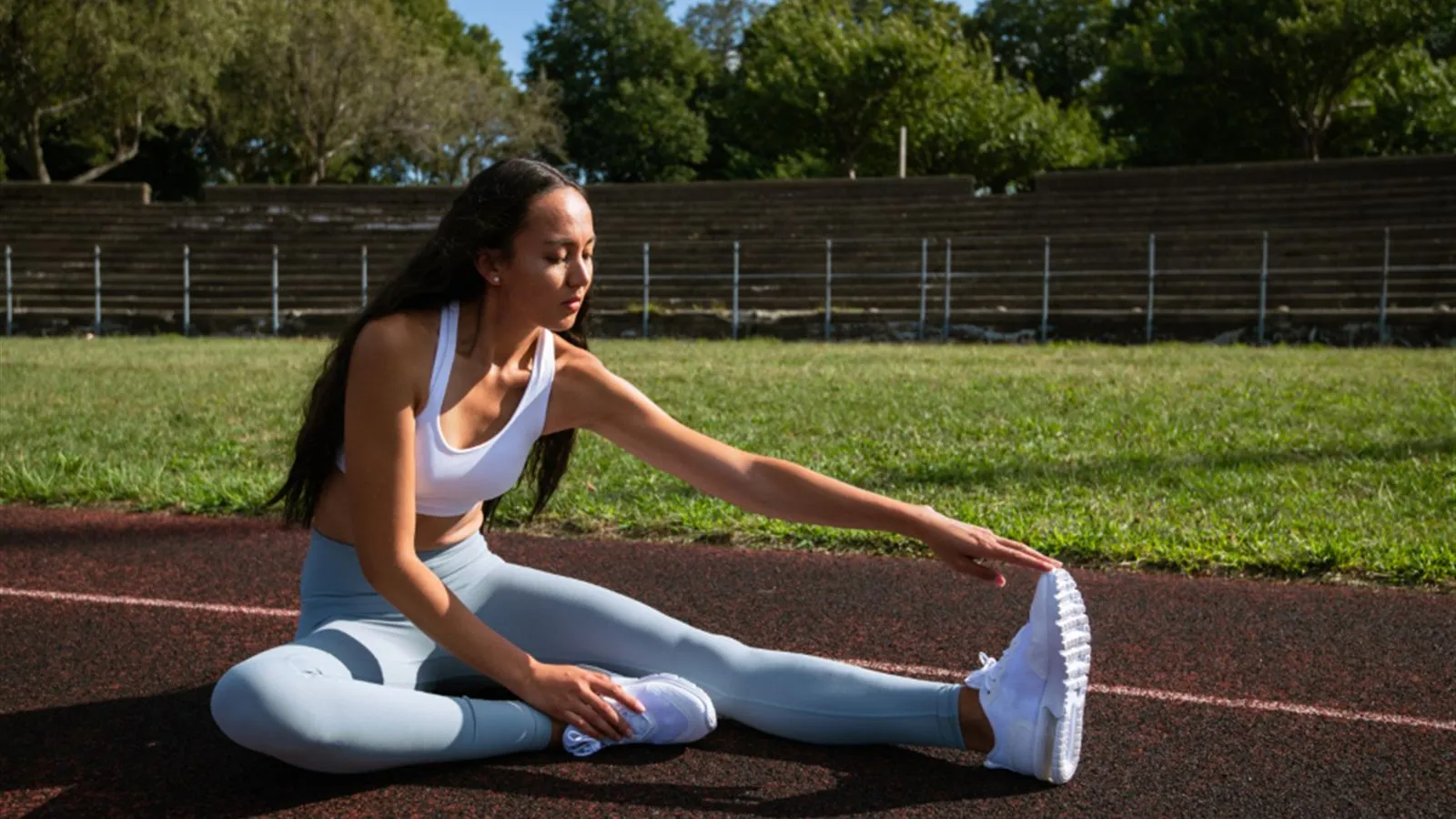
An Injury-Prevention Warm-Up for Young Athletes
A 12-minute warm-up built on movement skills, landing technique and strength — the kind of neuromuscular training recommended in youth sport.

Baby Blues or Postnatal Depression? How to Tell, and Where to Get Help
About 1 in 6 new mothers experience postnatal depression. The signs, how it differs from the baby blues, how movement can help, and when to reach out.

Back to Work After Maternity Leave: Keeping Movement in Your Week
Commutes, nursery runs and evening routines leave little time. Simple, habit-based ways to keep moving when you return to work.
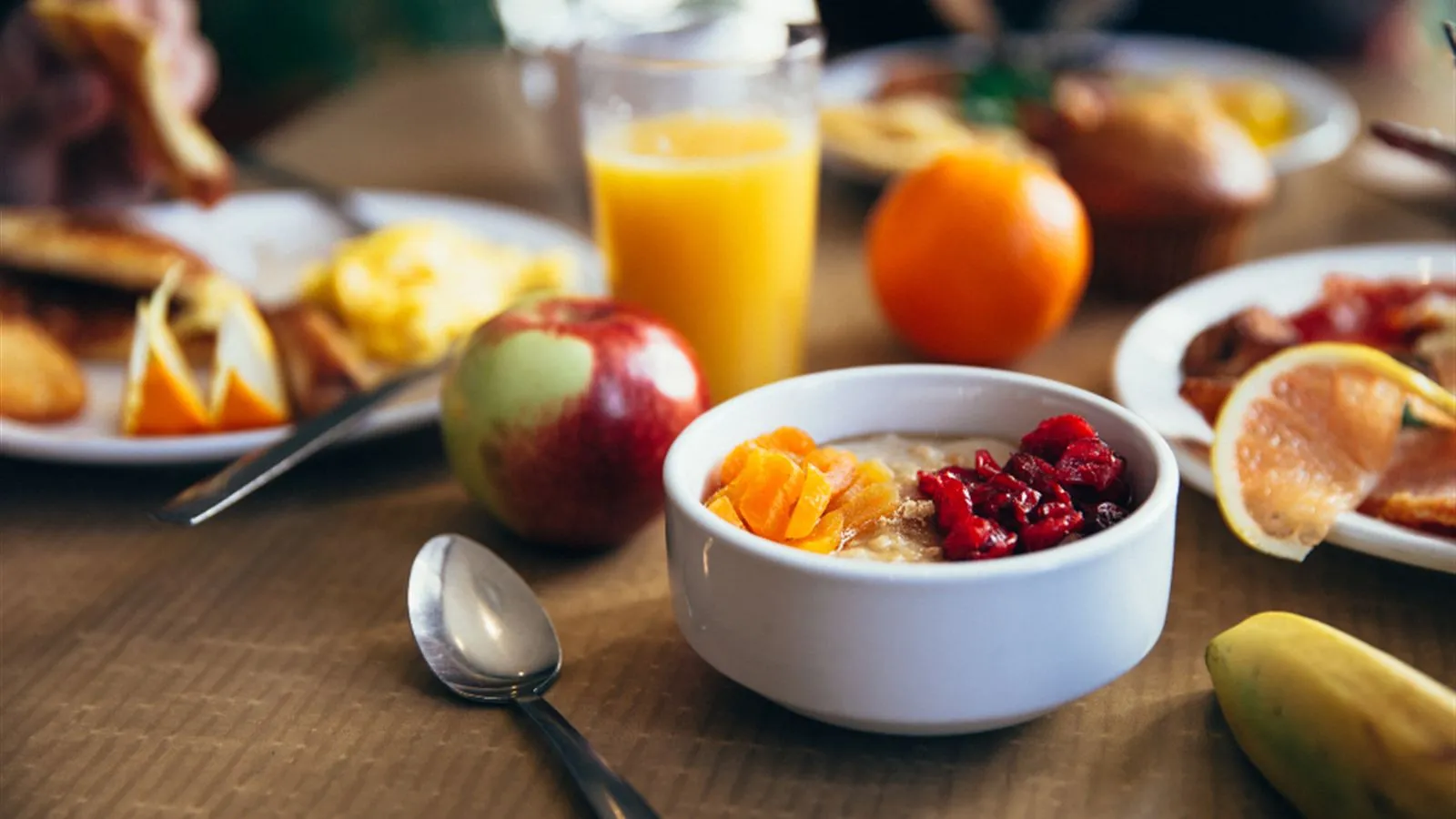
Eating Well With a Newborn (When You Have No Time to Cook)
One-handed snacks, freezer meals and a simple daily template to keep your energy up in the first months — no complicated cooking required.
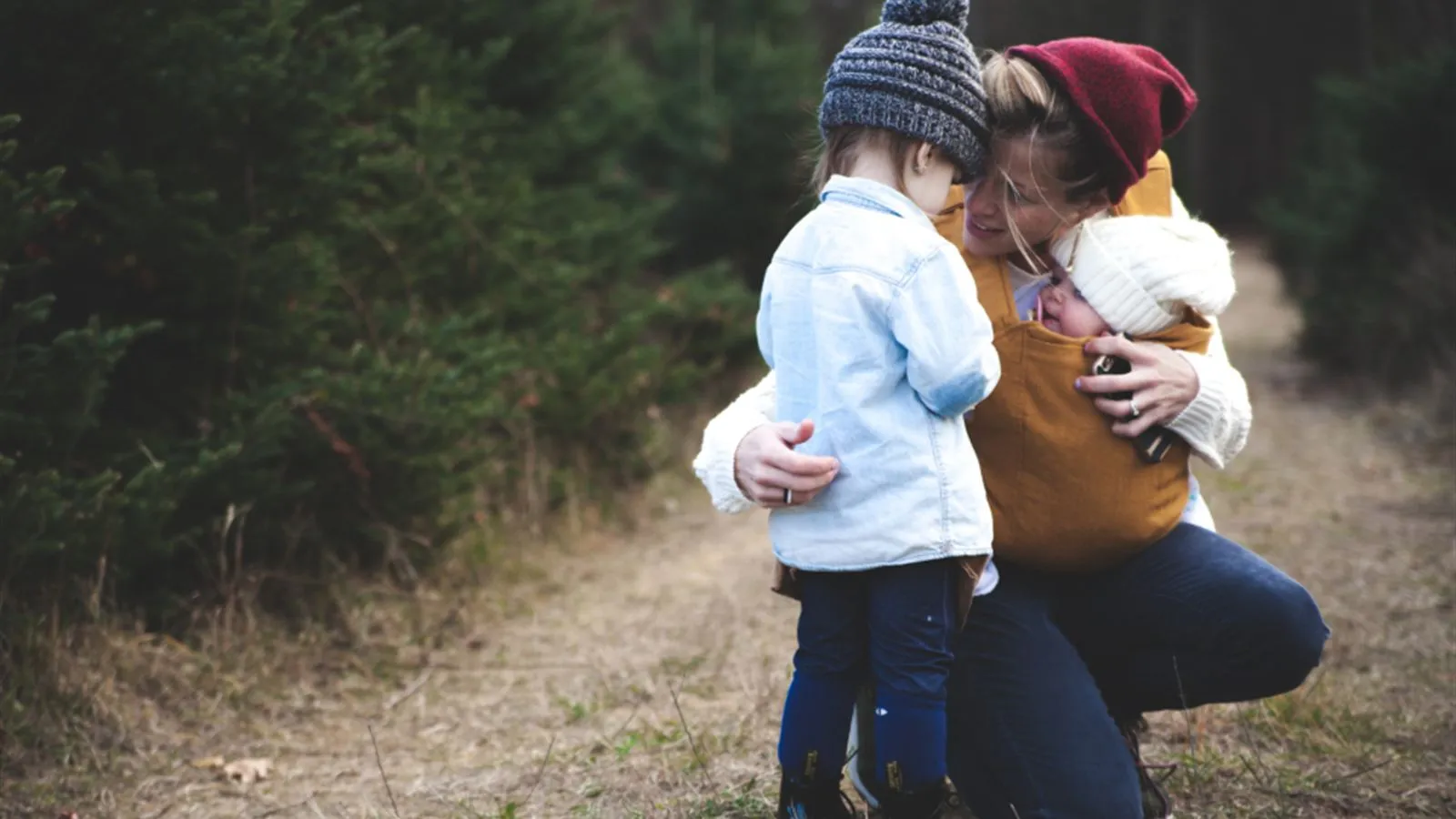
Exercise After Baby: When and How to Start
What the guidelines say about returning to exercise after birth, how to start gently once you're cleared, and the signs to stop and get checked.

Exercise and Breastfeeding: What You Need to Know
Moderate exercise doesn't affect milk supply or your baby's growth. Practical tips for comfort, timing, hydration and support.
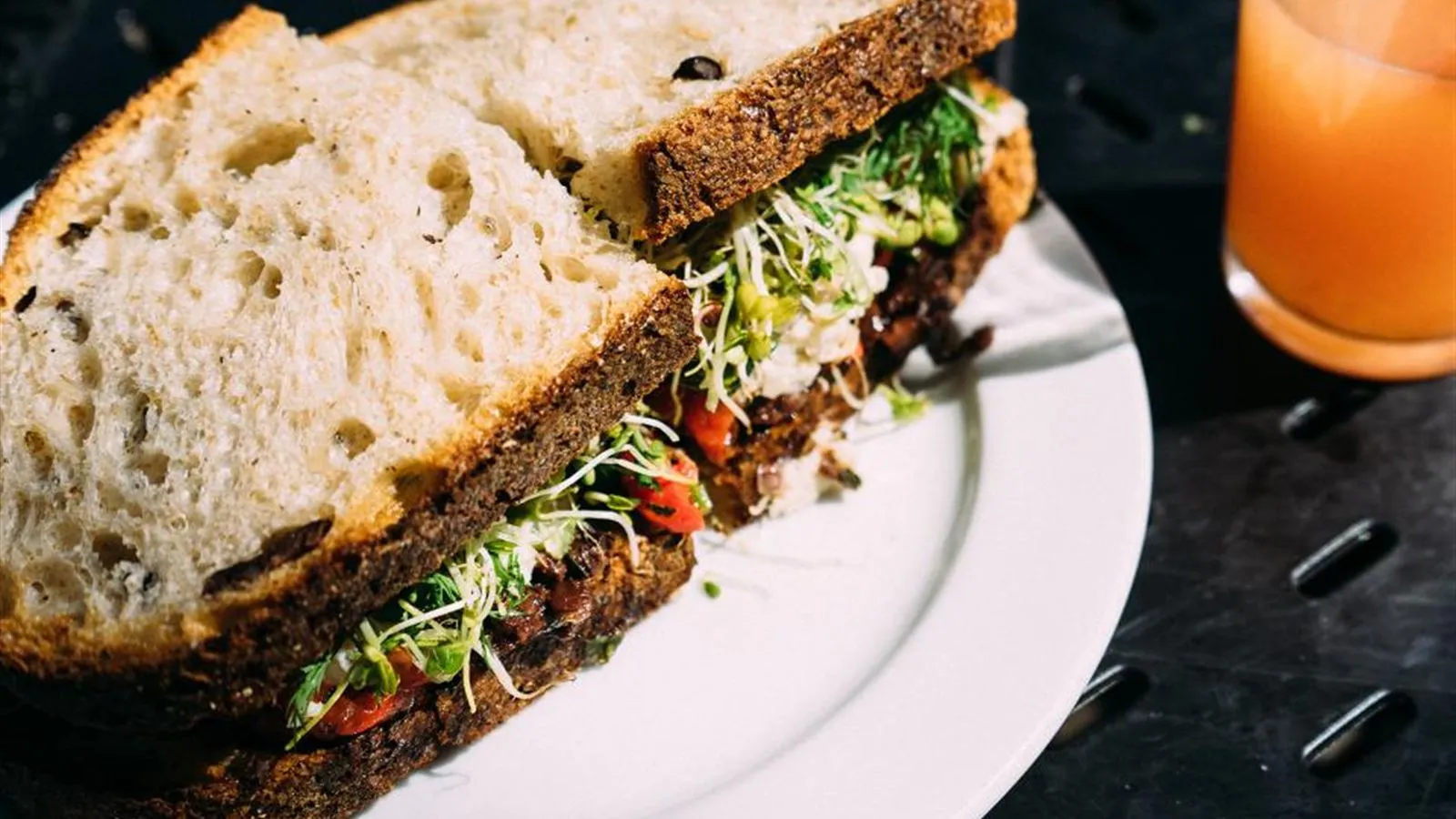
Fuelling Young Athletes: Meals, Snacks and Match-Day Food
Growing athletes need enough food, not diets. A simple plate model, training-day timing, match-day ideas and warning signs of under-fuelling.
Growth Spurts and Sport: What Parents and Coaches Should Know
Rapid growth can bring clumsiness, aches and a temporary dip in performance. How to adjust training, and when pain needs a doctor.

How Active Should School-Age Kids and Teens Be?
The WHO recommends an average of 60 minutes a day for ages 5–17, plus strengthening three days a week. What counts, and how sport fits in.

How Much Training Is Too Much for a Young Athlete?
Signs of overload, a simple weekly load check, and how rest days and time off protect kids and teens from overuse injuries and burnout.

Is Strength Training Safe for Kids and Teens?
What the 2014 International Consensus on youth resistance training says about safety, benefits, when to start, and what good supervision looks like.
Morning or Evening Workouts? Pick the One You'll Keep
The best time to train is the one that survives your real week. How to choose, and how to turn it into an automatic habit.
Pelvic Floor Basics After Birth: What Every Mother Should Know
What the pelvic floor does, what a major Cochrane review found about pelvic floor exercises, how to find the right muscles, and when to see a specialist.
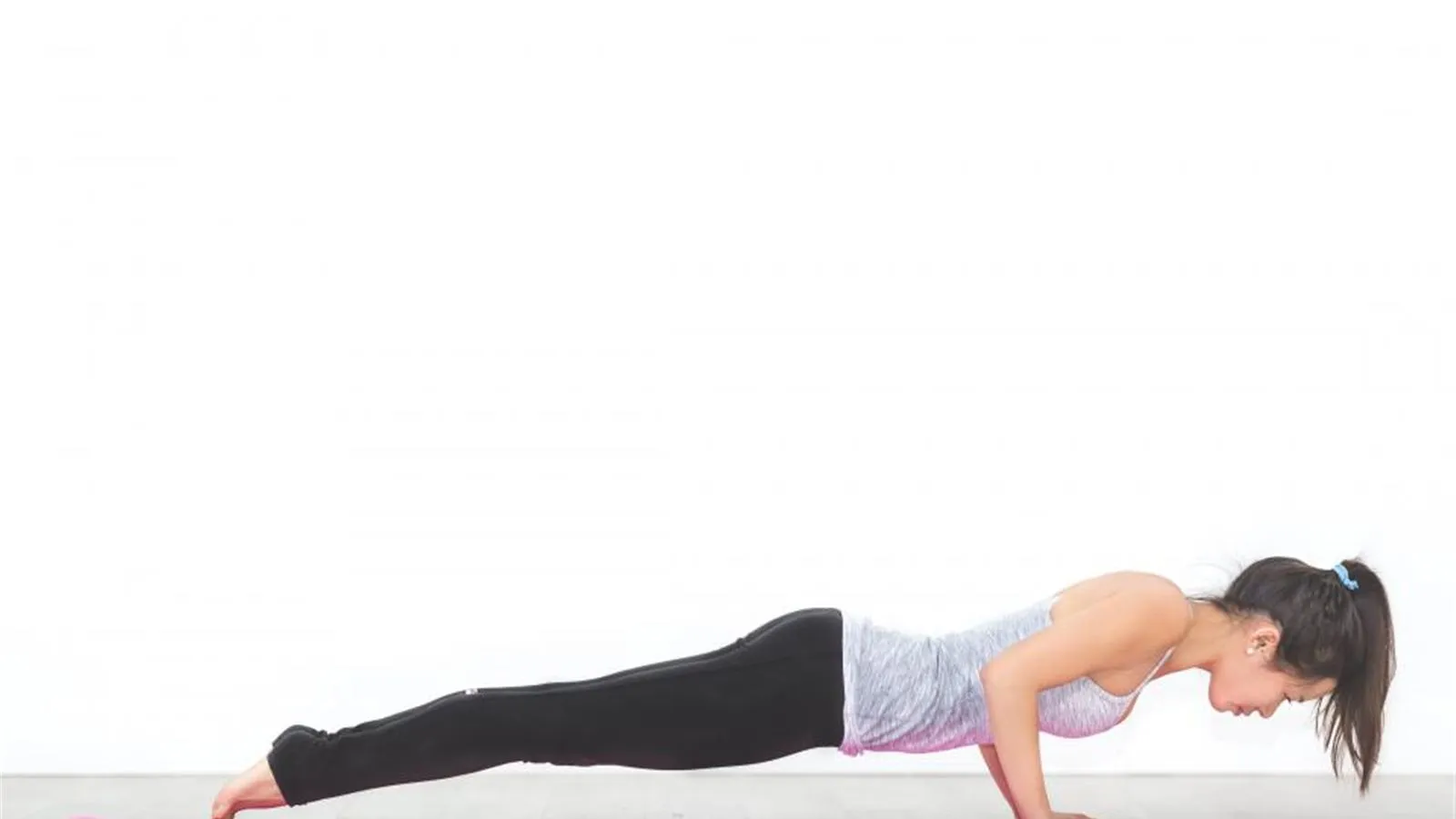
Rebuilding Your Core After Pregnancy, Gently
Why crunches aren't the place to start, a gentle core progression for after your postnatal check, and signs your tummy needs a specialist's eye.

Should Kids Specialise in One Sport Early?
Experts recommend trying many sports and delaying specialisation for most young athletes. Why sampling builds better athletes, and how to plan the year.

Sleep for Young Athletes: The Most Underrated Training Tool
Teens sleeping under 8 hours were about 1.7 times more likely to be injured in one study. How much sleep kids need, and how to protect it around sport.
Sports Drinks and Energy Drinks: What Kids Actually Need
The American Academy of Pediatrics says energy drinks have no place in children's diets and water is the best drink for most young athletes. Here's why.
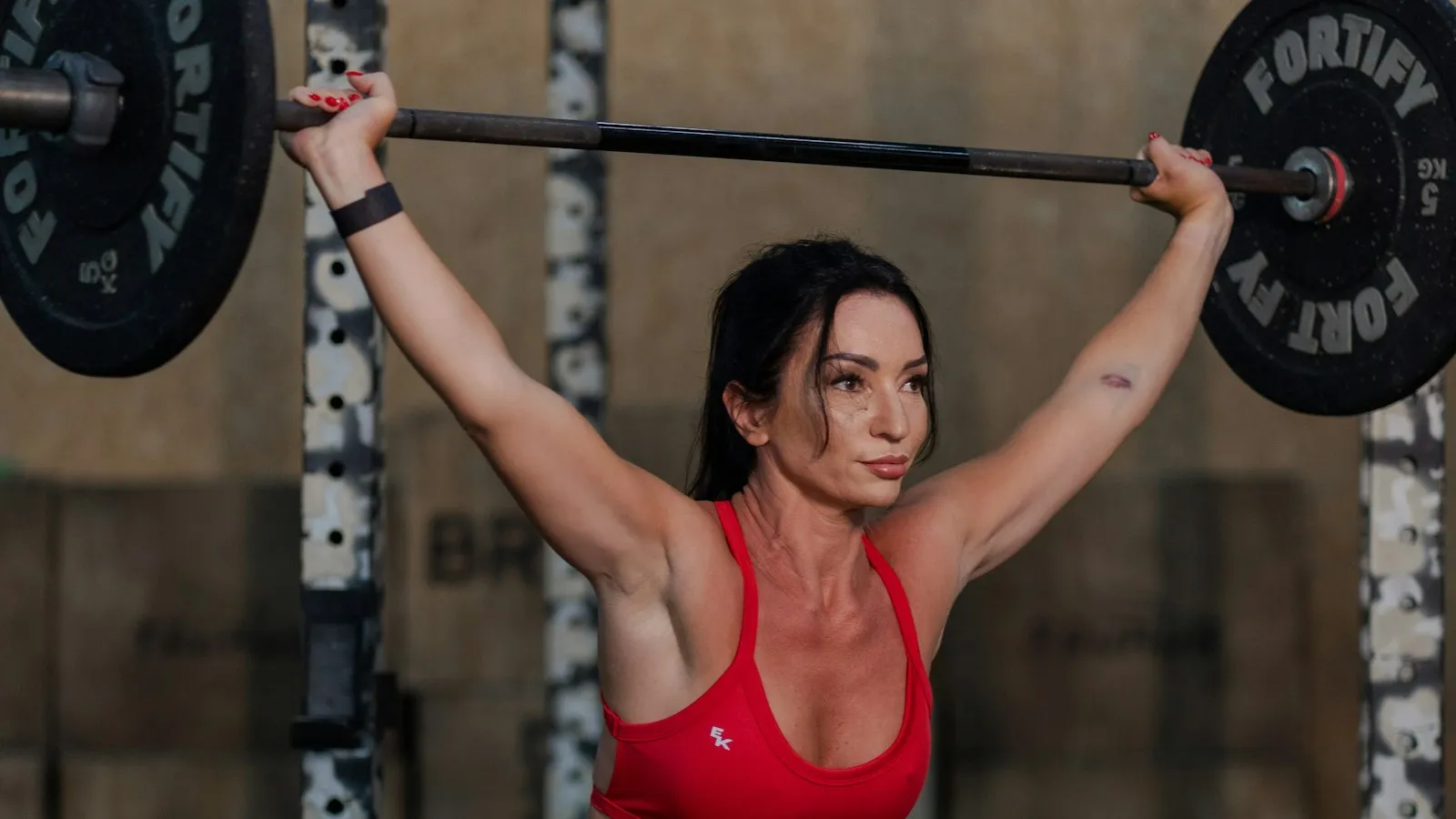
Strength Training After 40: Muscle, Bones and Menopause
Why lifting matters more with every decade, what the LIFTMOR trial found about bone density, and how to start safely.
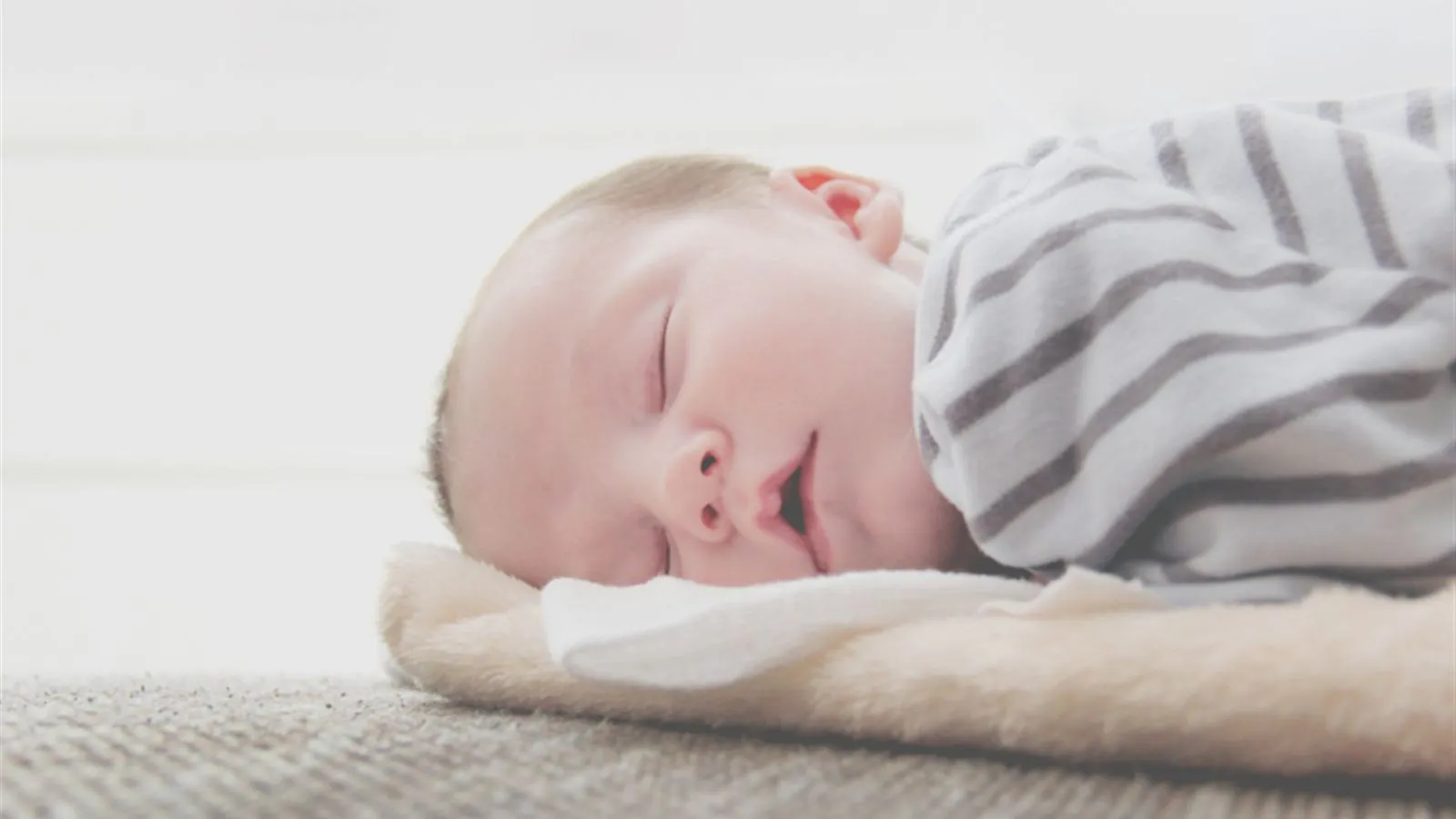
Surviving Sleep Deprivation With a Newborn
You can't get 7 hours in a row right now — but you can protect more sleep than you think. Practical strategies for mothers and partners.

The Parent's Role in Youth Sport: Support Without Pressure
How to keep sport fun, avoid burnout, talk after games, and work with coaches — so your child stays active for life.

Toddler Snacks: Simple, Healthy and Safe
Twenty snack ideas for ages 1–5, how to prepare them to reduce choking risk, and how to stop snacks from spoiling meals.

A Bedtime Routine for Toddlers That Actually Works
A study of more than 10,000 families found a consistent bedtime routine was linked to better sleep — and more nights meant better results. Here's a simple one.

Exercise for Stress and Low Mood: What a Huge Review Found
An overview of 97 reviews covering more than 128,000 people found physical activity meaningfully reduced depression, anxiety and distress. Here's how to use it.
Sleep When You're Busy: The Habits That Matter Most
When time is tight, sleep is usually the first thing cut. Here's how much you need, and the five habits with the biggest payoff.
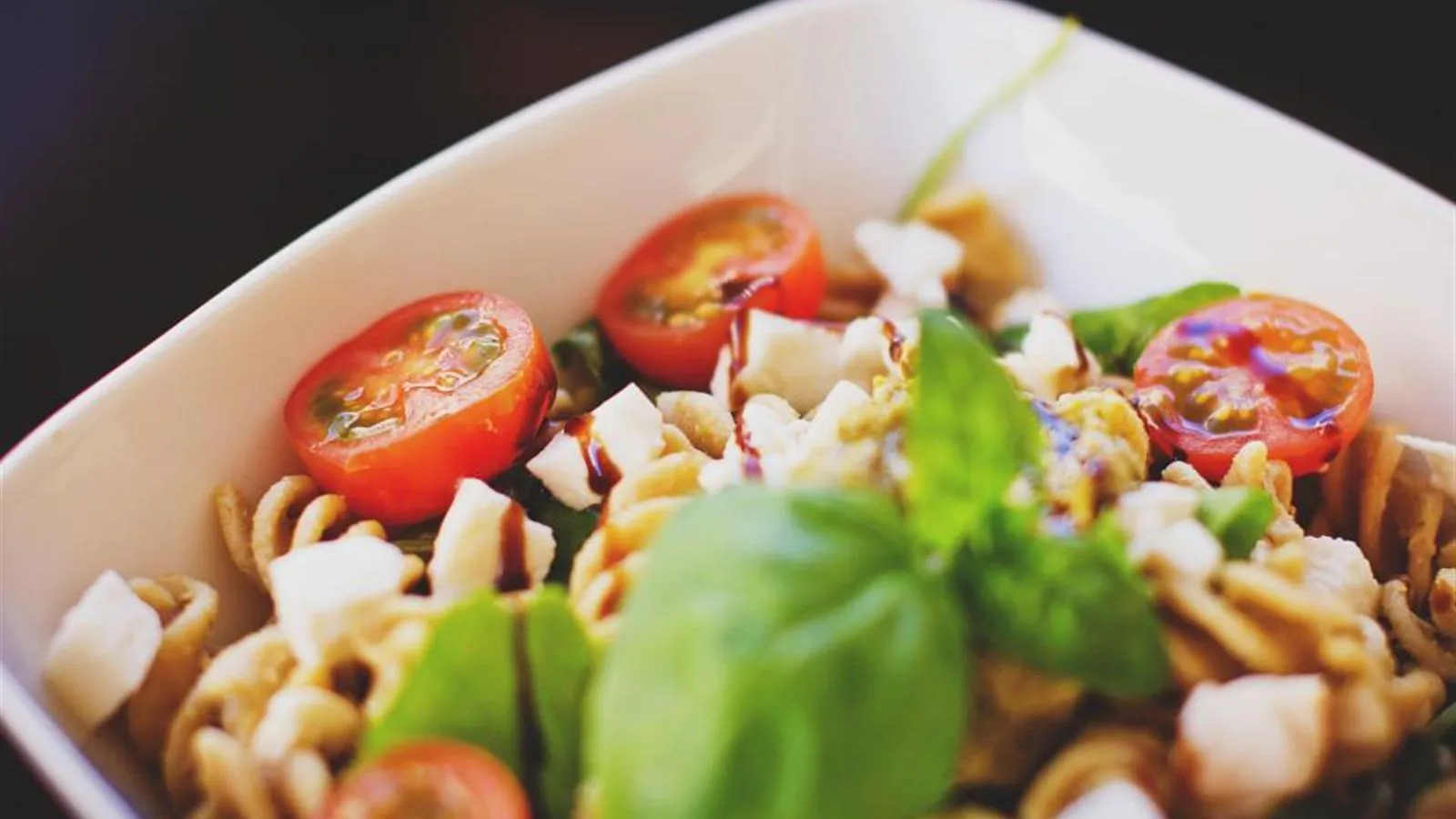
High-Protein Desk Lunches (No Microwave Needed)
Ten packable lunches with 25–40 g of protein that taste good cold, plus how to pack them so they survive the commute.

How Much Sleep Do Toddlers and Preschoolers Need?
Recommended hours from the American Academy of Sleep Medicine, sample schedules with naps, and signs your child isn't getting enough.
A Week of Workday Meals That Actually Get Made
A realistic 5-day plan for busy women: one 60-minute Sunday prep, high-protein lunches, 15-minute dinners and a shopping list.
Added Sugar and Under-5s: The Simple Rules
The American Heart Association recommends no added sugar under 2 and under 25 g a day from age 2. What that means in real food.

Screen Time Under 5: What the Guidelines and Research Say
No screens under 2, an hour or less for 2–4-year-olds. Why the limits exist, what a large study found, and practical ways to make it work.
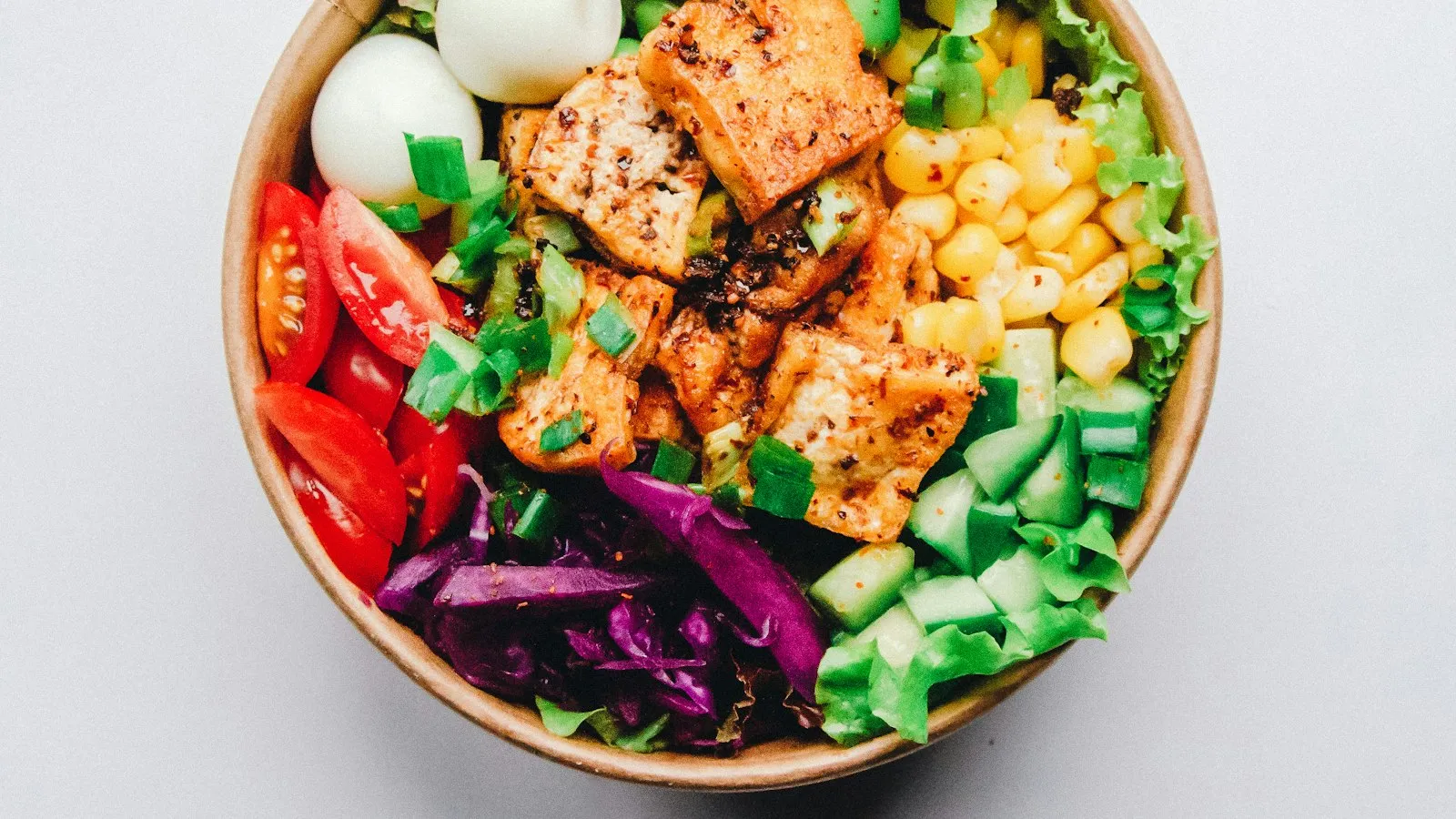
How Much Protein Do You Need to Build Muscle?
What the biggest meta-analysis on protein and strength training found — plus a bodyweight chart, food chart and a simple daily plan.
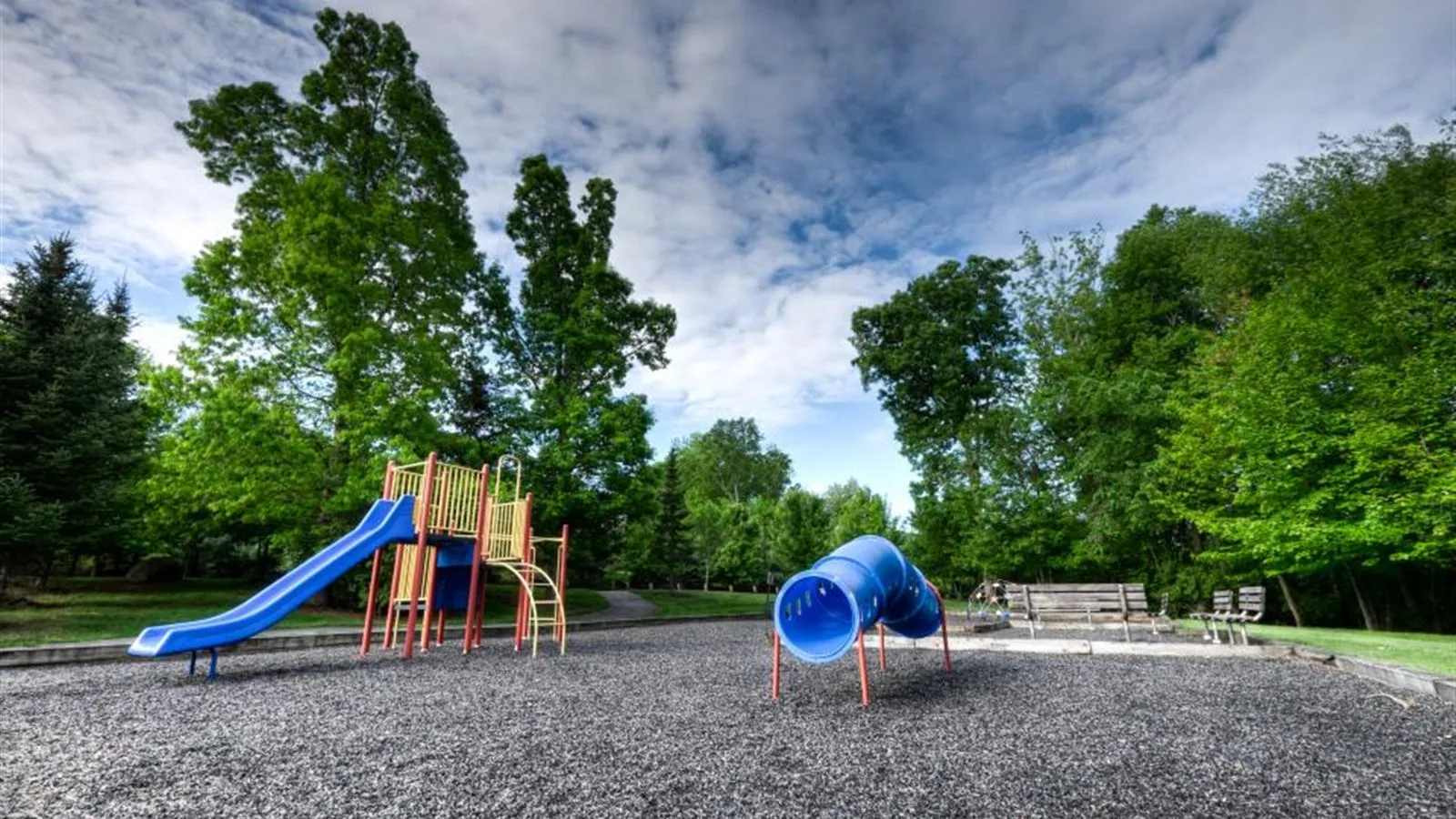
Outdoor Play Ideas for Ages 1–5
Parks, gardens, beaches and pavements — simple outdoor games that build balance, coordination and confidence, plus a weekly plan.
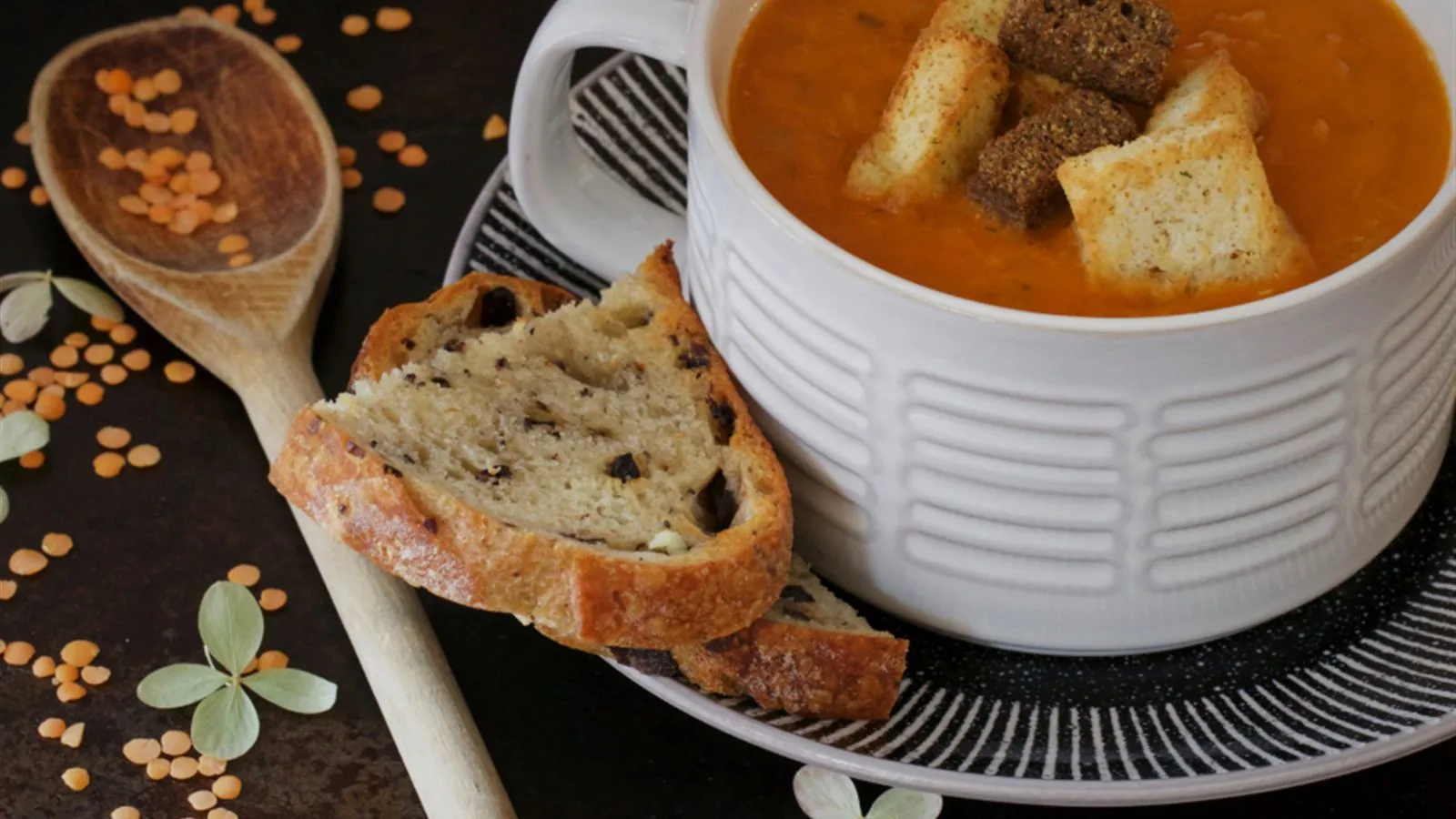
Tired All the Time? Iron, Energy and Women's Health
Iron deficiency is one of the most common nutrition problems in the world, and women are at higher risk. Signs, food sources and when to get tested.

Why Family Meals Matter (Even 3 a Week)
A meta-analysis of 17 studies and more than 180,000 children linked three or more shared meals a week with healthier eating. How to make it happen.

15 Indoor Active Games for Rainy Days (Ages 1–5)
No garden, bad weather, small flat? These games get toddlers and preschoolers moving indoors with things you already own.

How Much Sleep Do You Really Need?
What two expert consensus panels concluded, a chart of recommended hours by age, and a practical plan to get more.
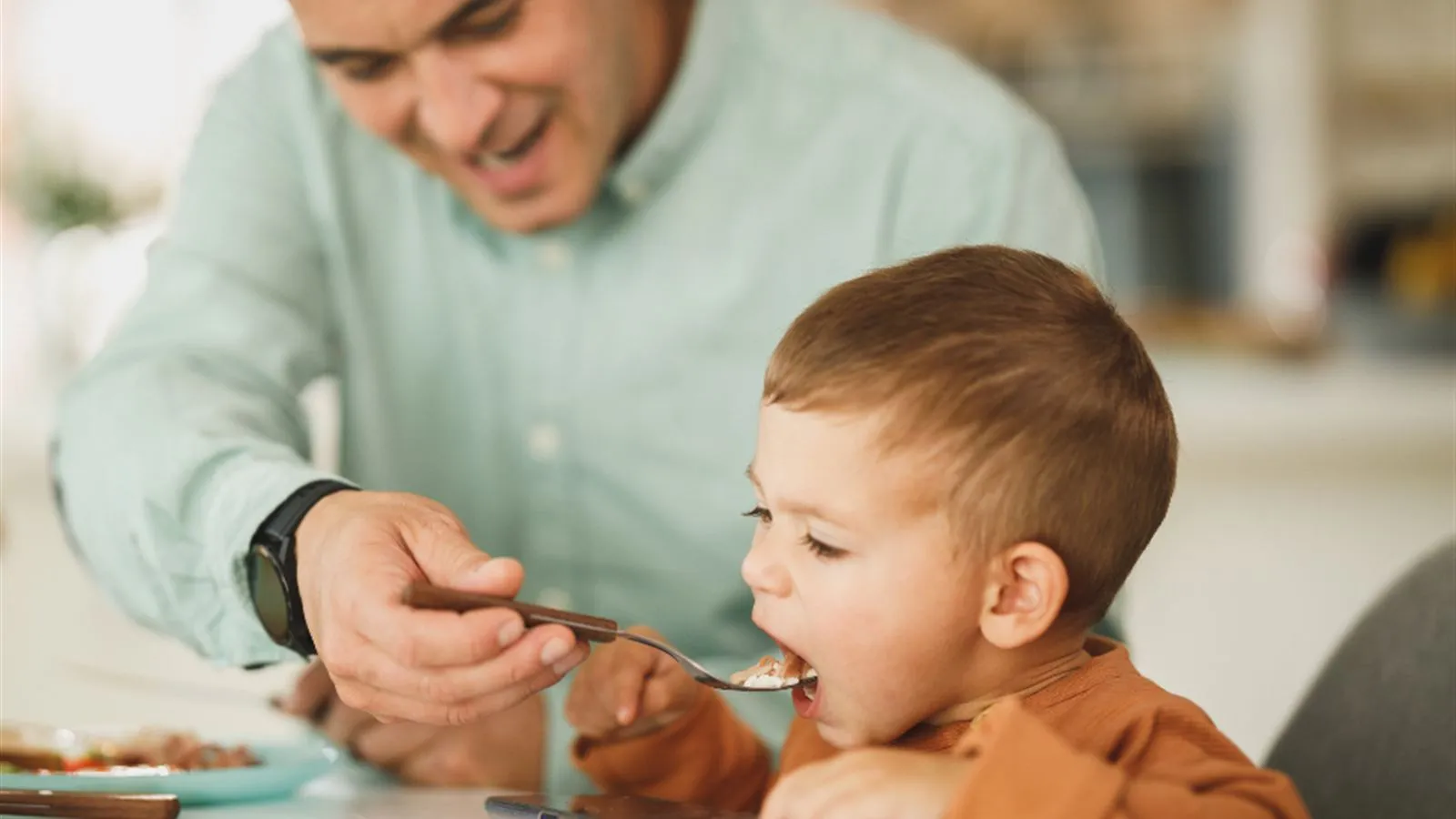
Picky Eaters: How to Help Young Children Like Vegetables
A randomised trial with 2–6-year-olds found that a tiny daily taste of a disliked vegetable worked. Here's the method, step by step.
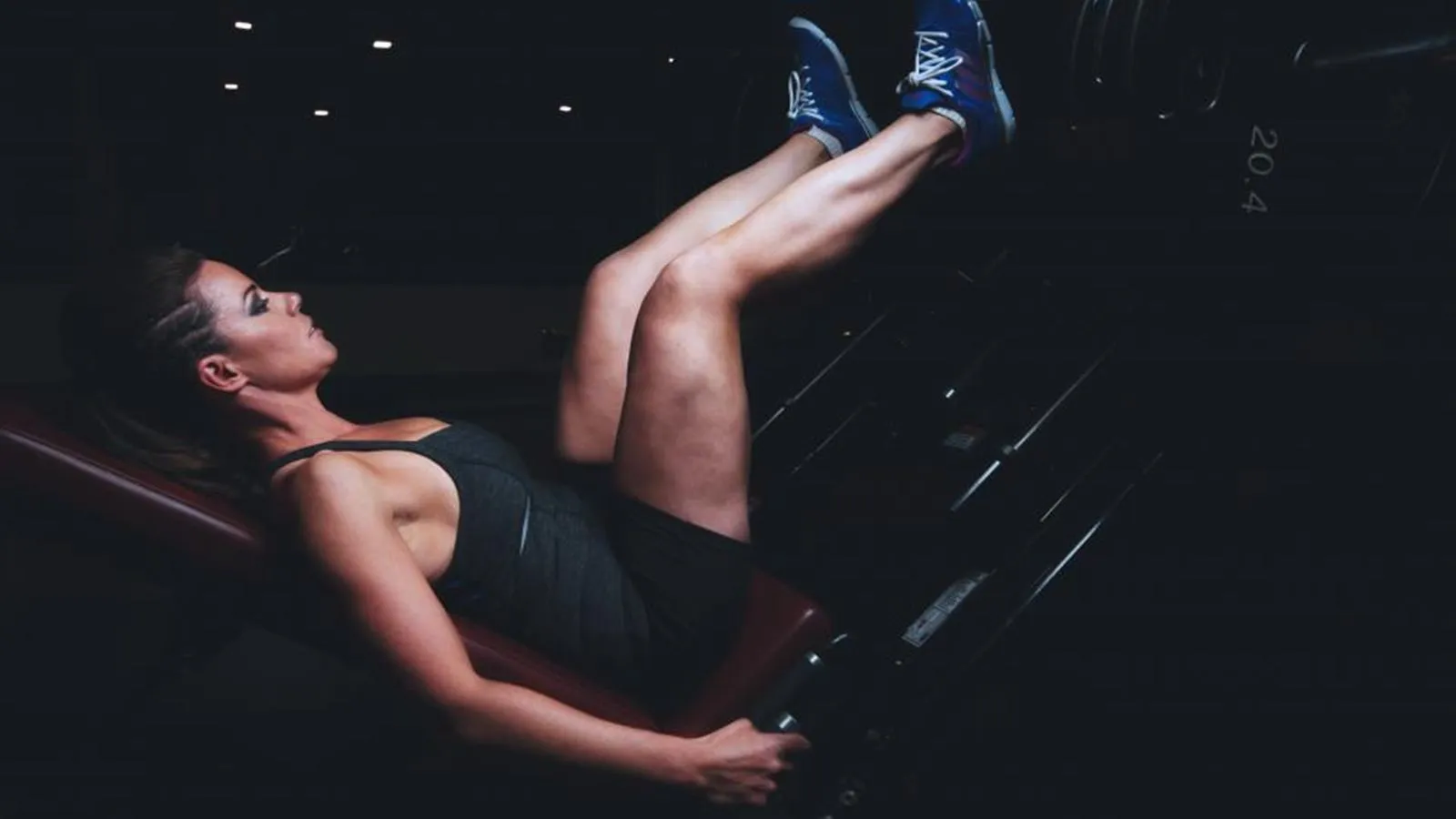
Strength Training for Women: 5 Myths vs the Evidence
Won't make you bulky, isn't bad for your joints, and you don't need heavy weights to start. Here's what research actually says.

Exercise Snacks: How 1-Minute Bursts Add Up
Short bursts of vigorous everyday activity were linked to a lower risk of early death in a large study. Here's how to use them on busy days.

How Active Should Toddlers and Preschoolers Be?
Three hours a day sounds like a lot — until you see what counts. The early-years movement guidelines, explained simply, with ideas for every age.
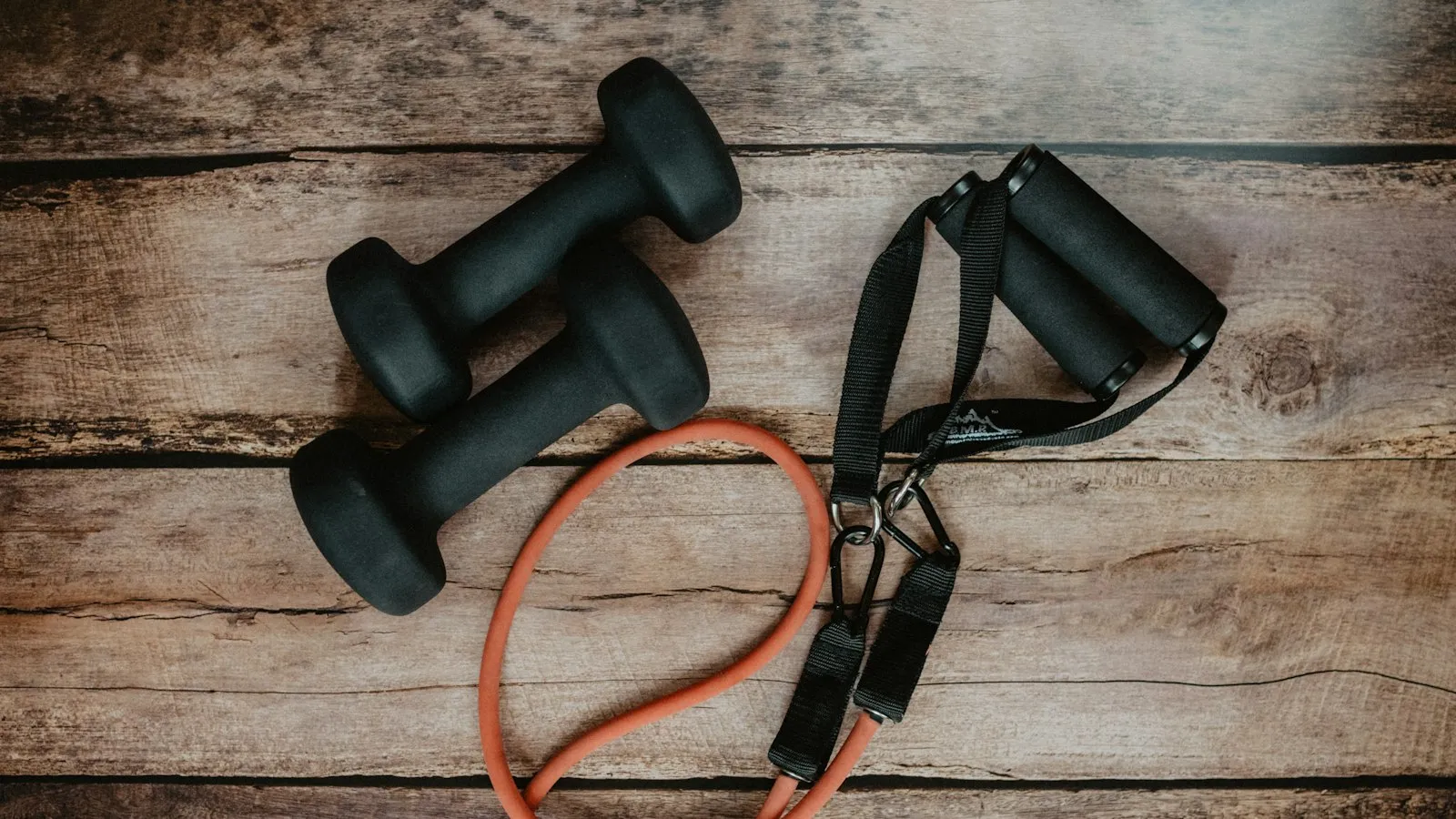
The Beginner Full-Body Dumbbell Workout (3 Days a Week)
A complete starter routine you can do at home with one pair of dumbbells — with sets, reps and how to progress.
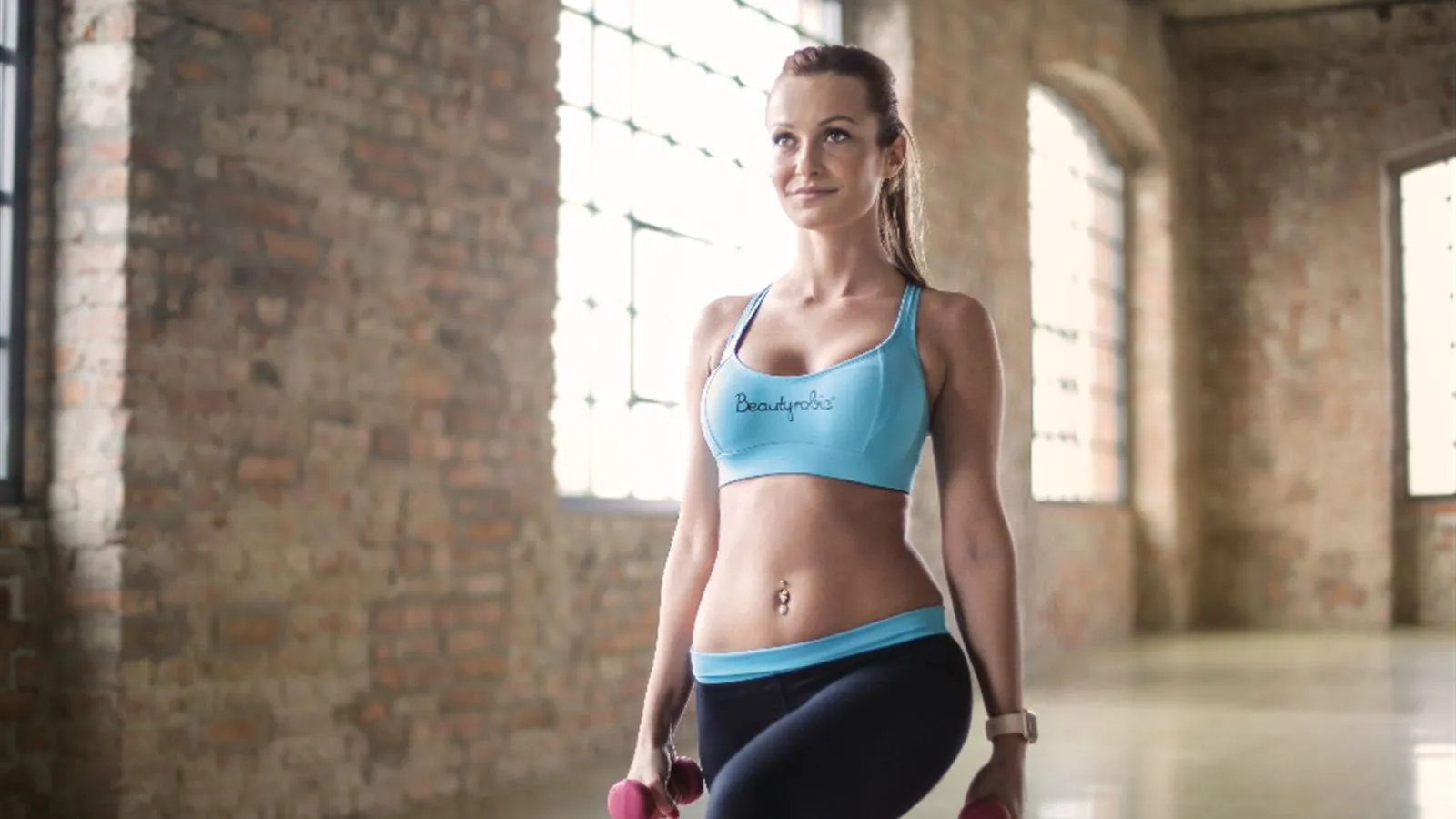
Short on Time? Why 30-Minute Workouts Really Work
You don't need an hour in the gym. Here's what the research says about short sessions — and a 30-minute full-body template you can use tonight.

How Much Exercise Do You Actually Need? What the WHO Guidelines Say
The global minimums for cardio and strength training, translated into a week you can actually schedule — plus an 8-week starter plan.
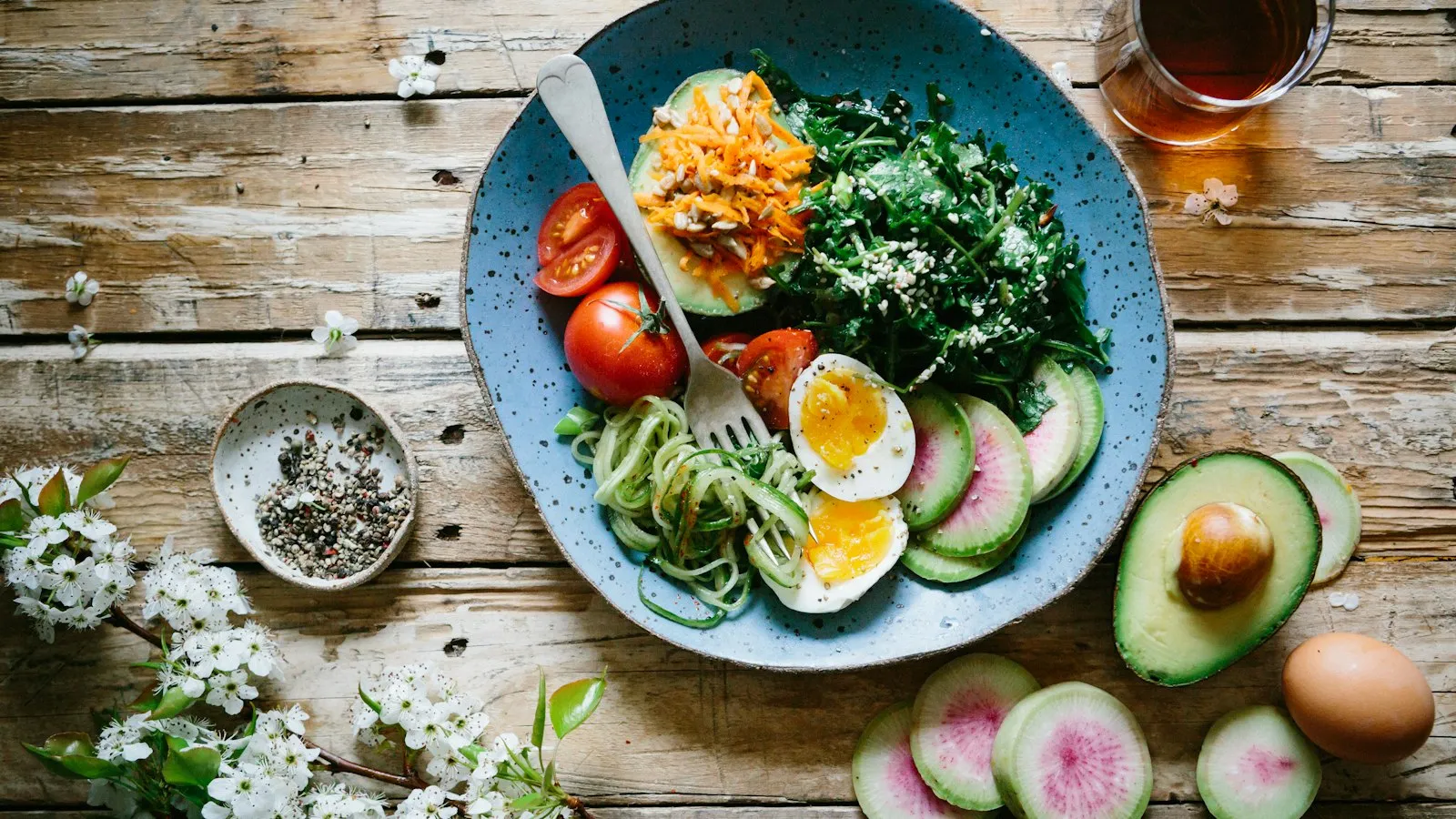
Protein Timing: Does It Matter When You Eat It?
The anabolic window, per-meal targets and why spreading protein through the day may help.
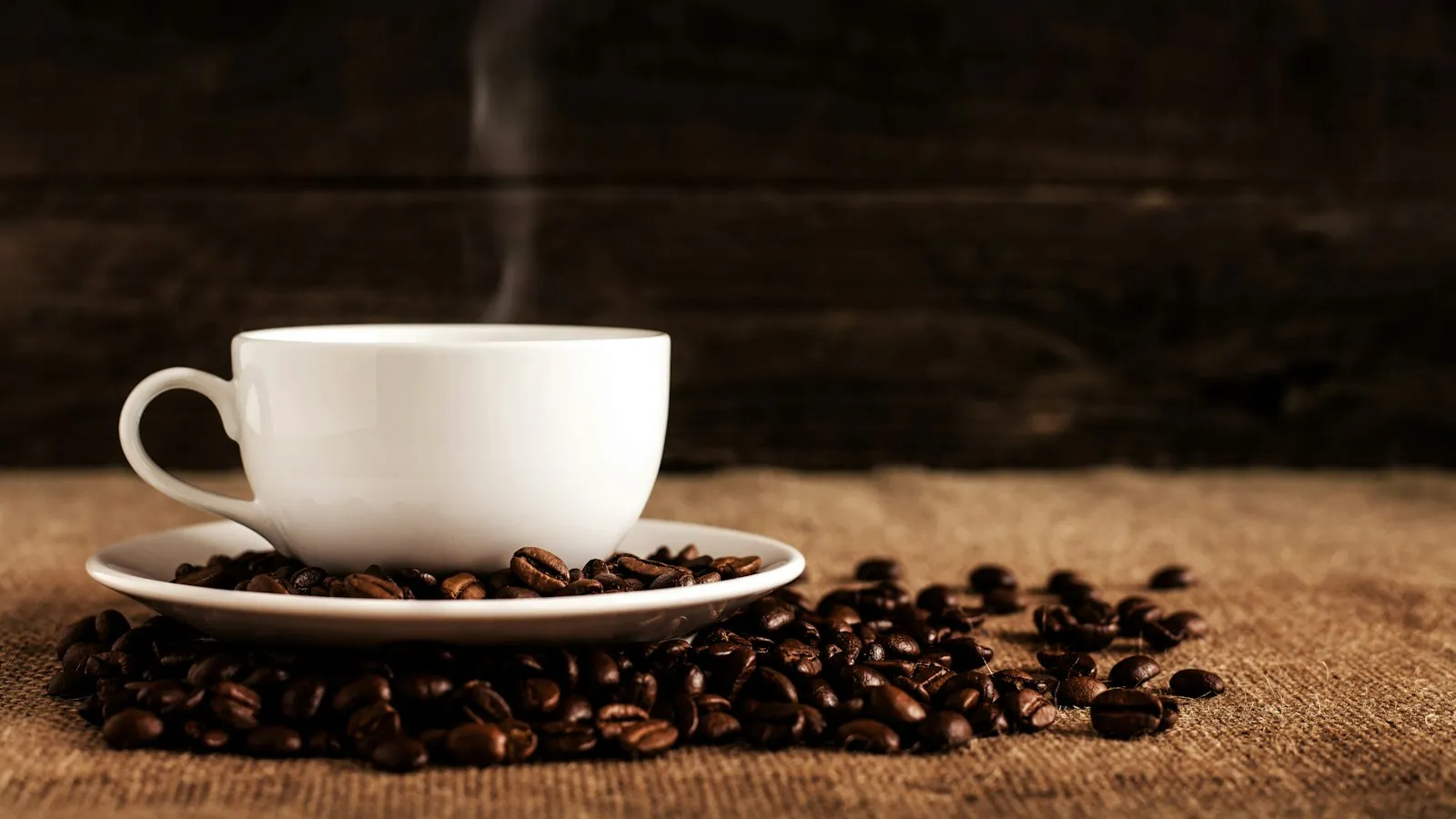
Caffeine and Sleep: When Should You Have Your Last Coffee?
A sleep study found caffeine six hours before bed still cut sleep by more than an hour. Here's how to set your cut-off.
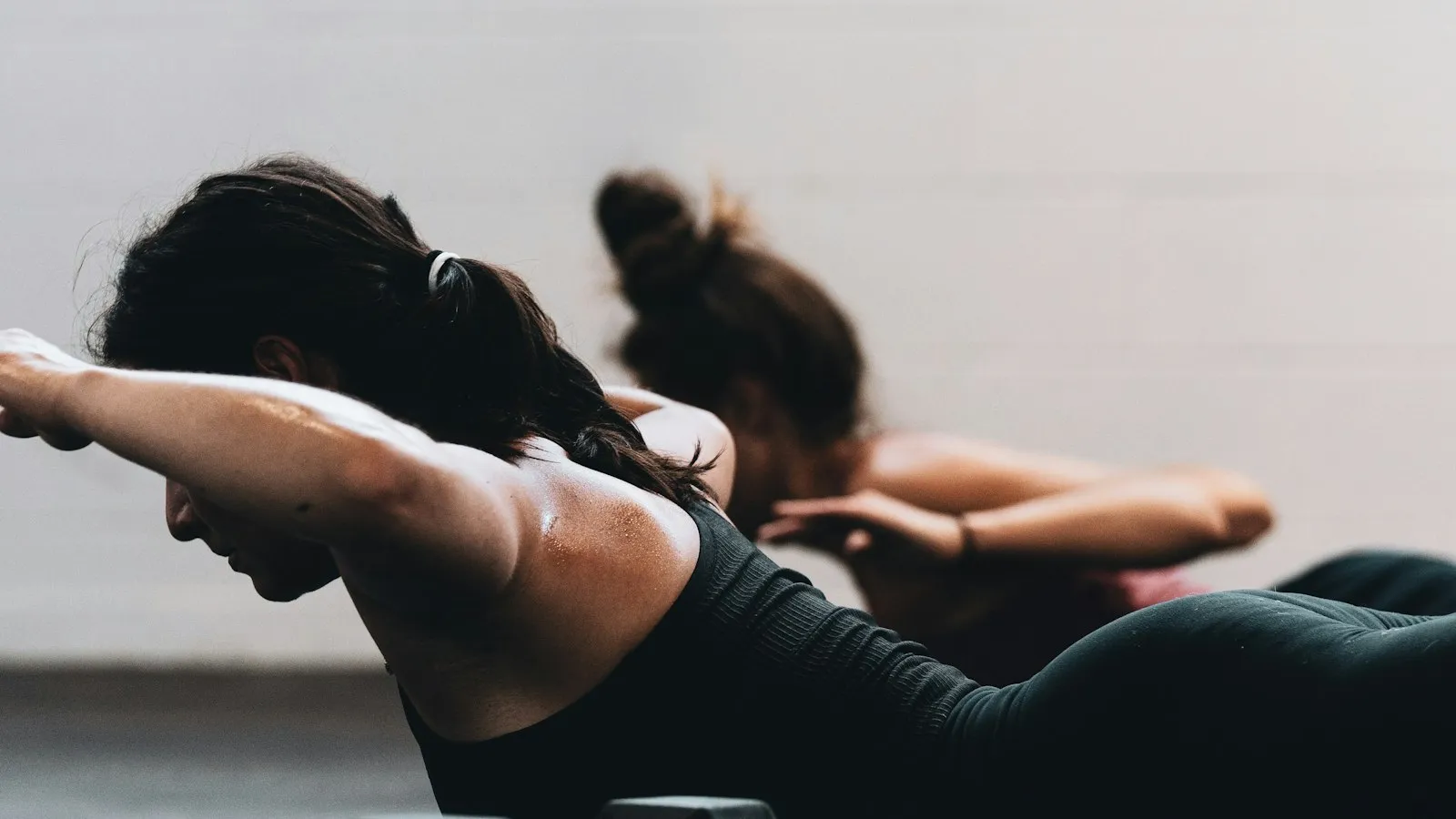
The 20-Minute No-Equipment Workout You Can Do Anywhere
A full-body bodyweight circuit with beginner, intermediate and advanced options.
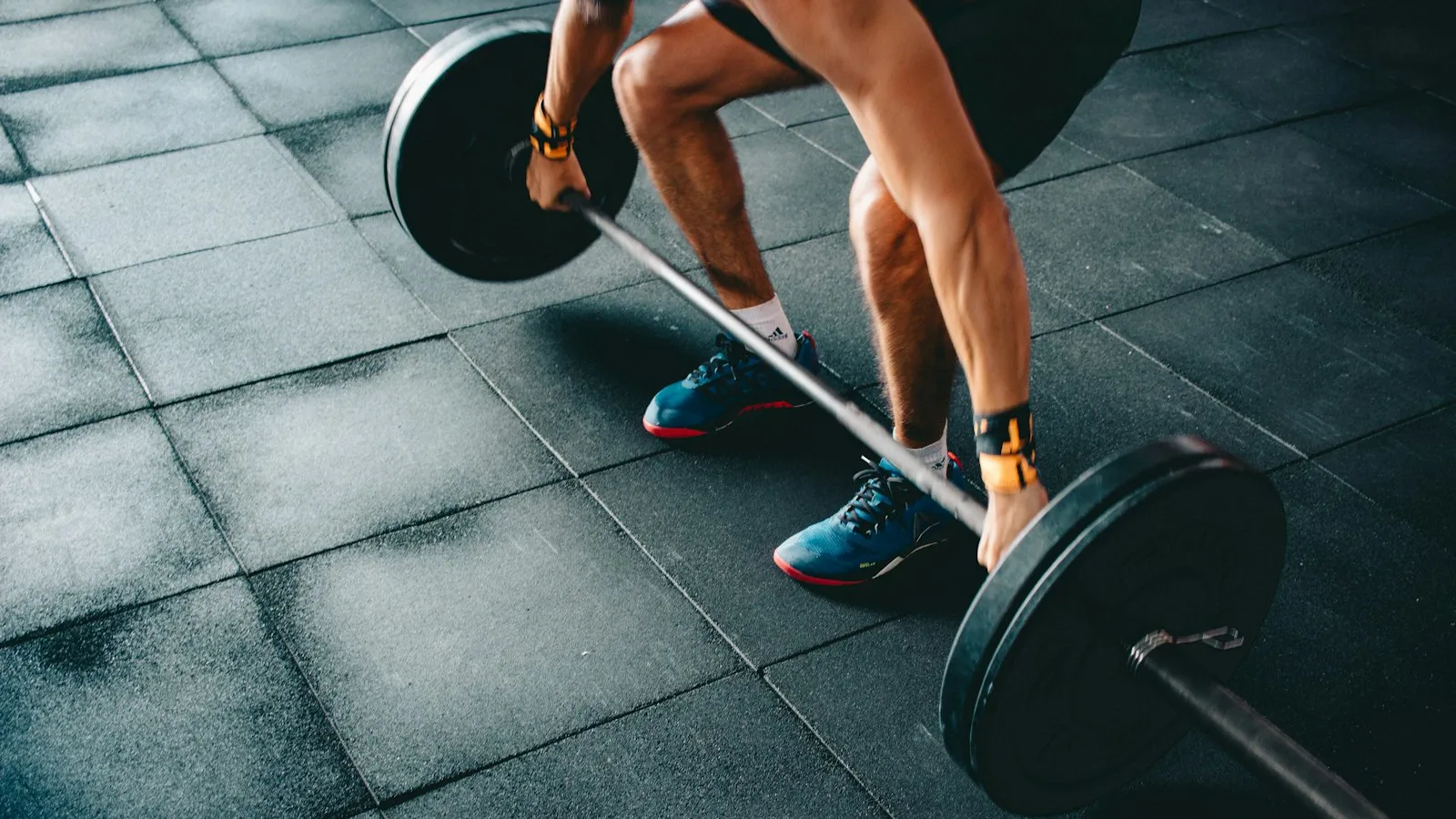
Progressive Overload: The One Principle Behind Every Program That Works
Why your body only changes when you ask it to do a little more — and five practical ways to do it.
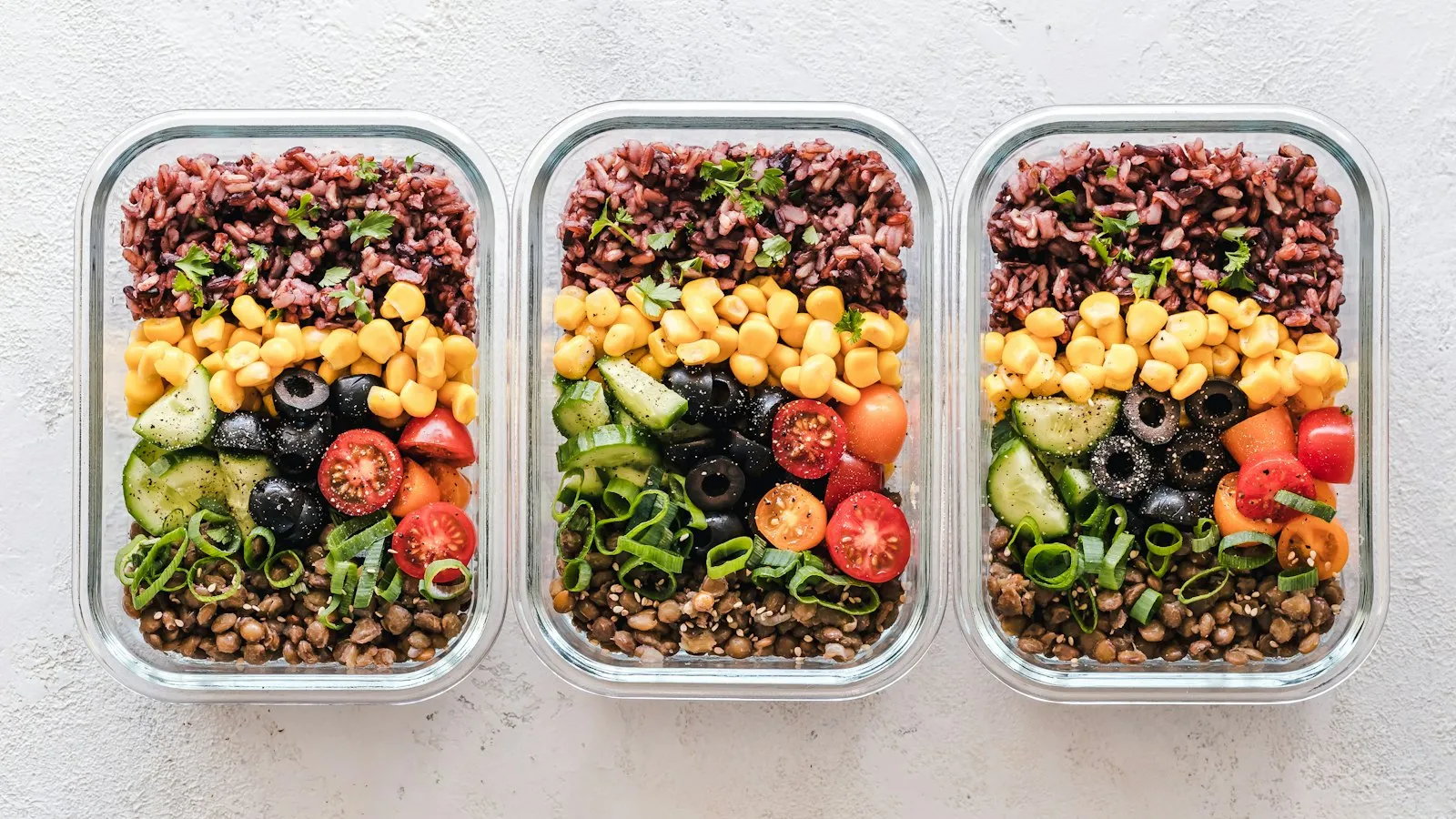
The 90-Minute Sunday Meal Prep System
Cook once, eat well all week. A step-by-step workflow, shopping list and storage guide.

The 30-Minute Wind-Down Routine for Better Sleep
A simple evening routine that tells your body it's time to switch off.
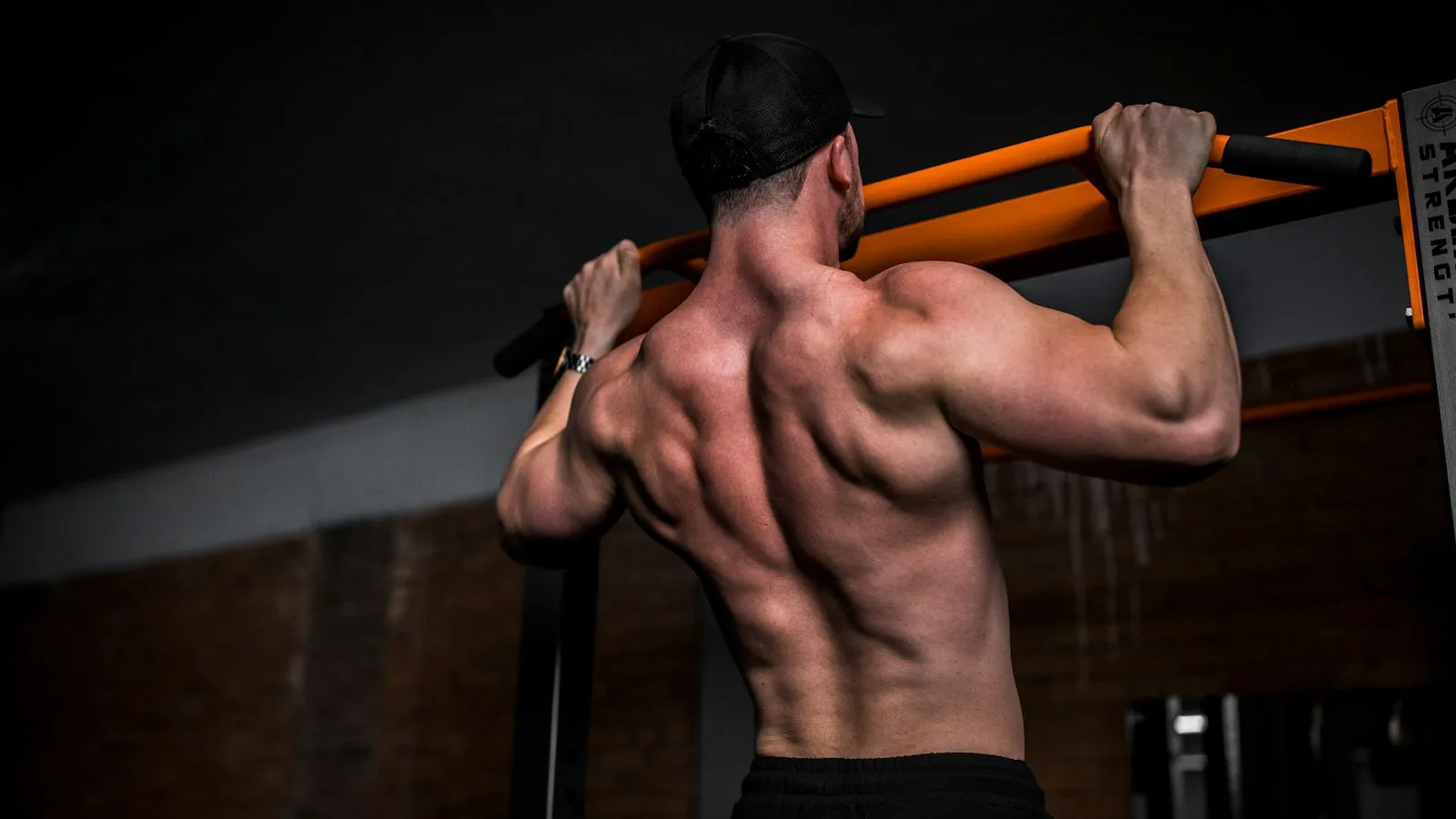
Push / Pull / Legs: The Complete Guide to the Classic Split
How the PPL split works, who it's for, and a sample 3-day and 6-day plan.
How Many Sets Do You Need to Build Muscle?
What the research on weekly training volume says, how to count your sets, and sample weekly plans for every level.
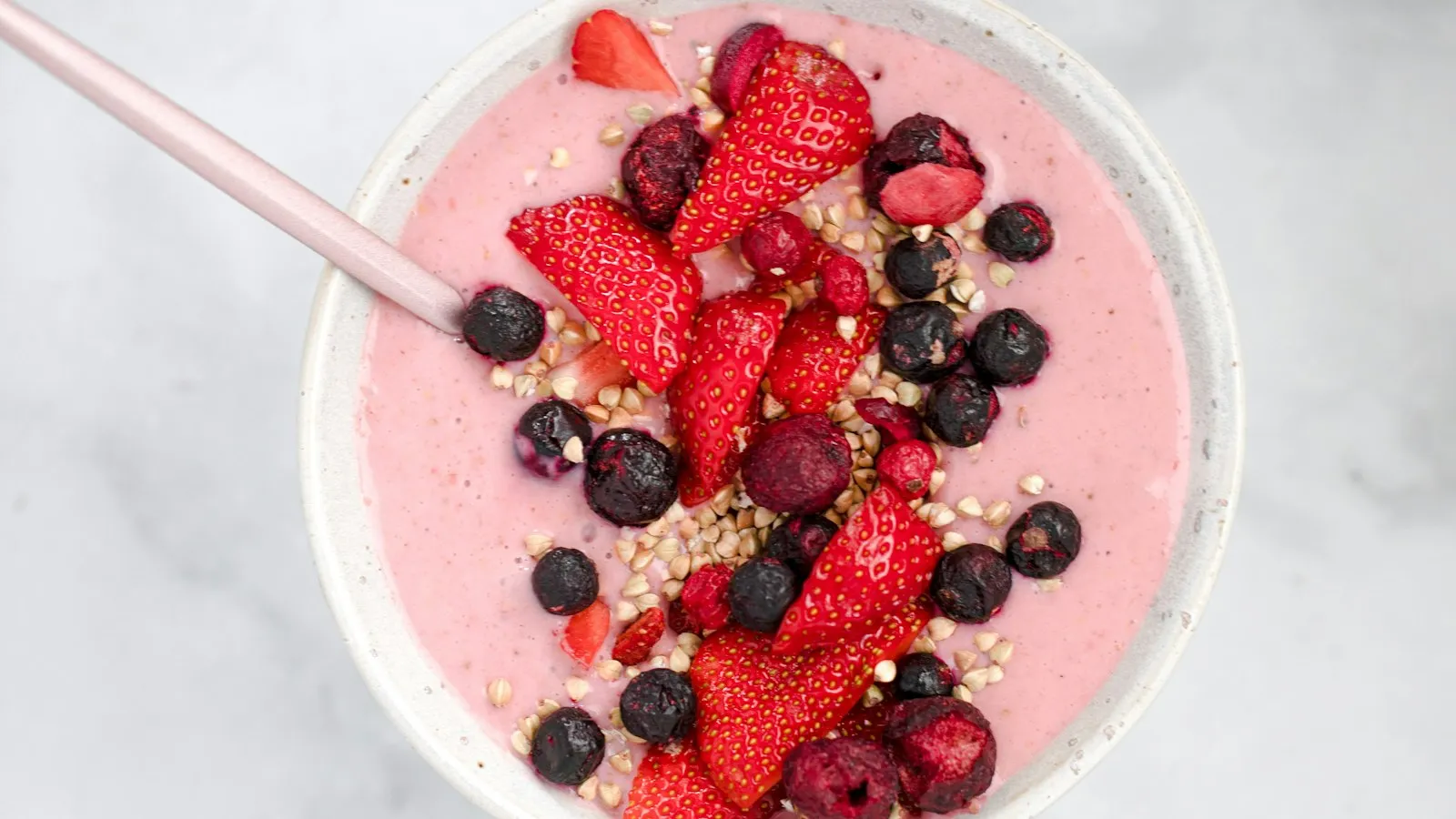
7 High-Protein Breakfasts in 10 Minutes or Less
Quick breakfasts with 25–40 g of protein each — no protein powder required. Recipes, a comparison chart and a weekly plan.
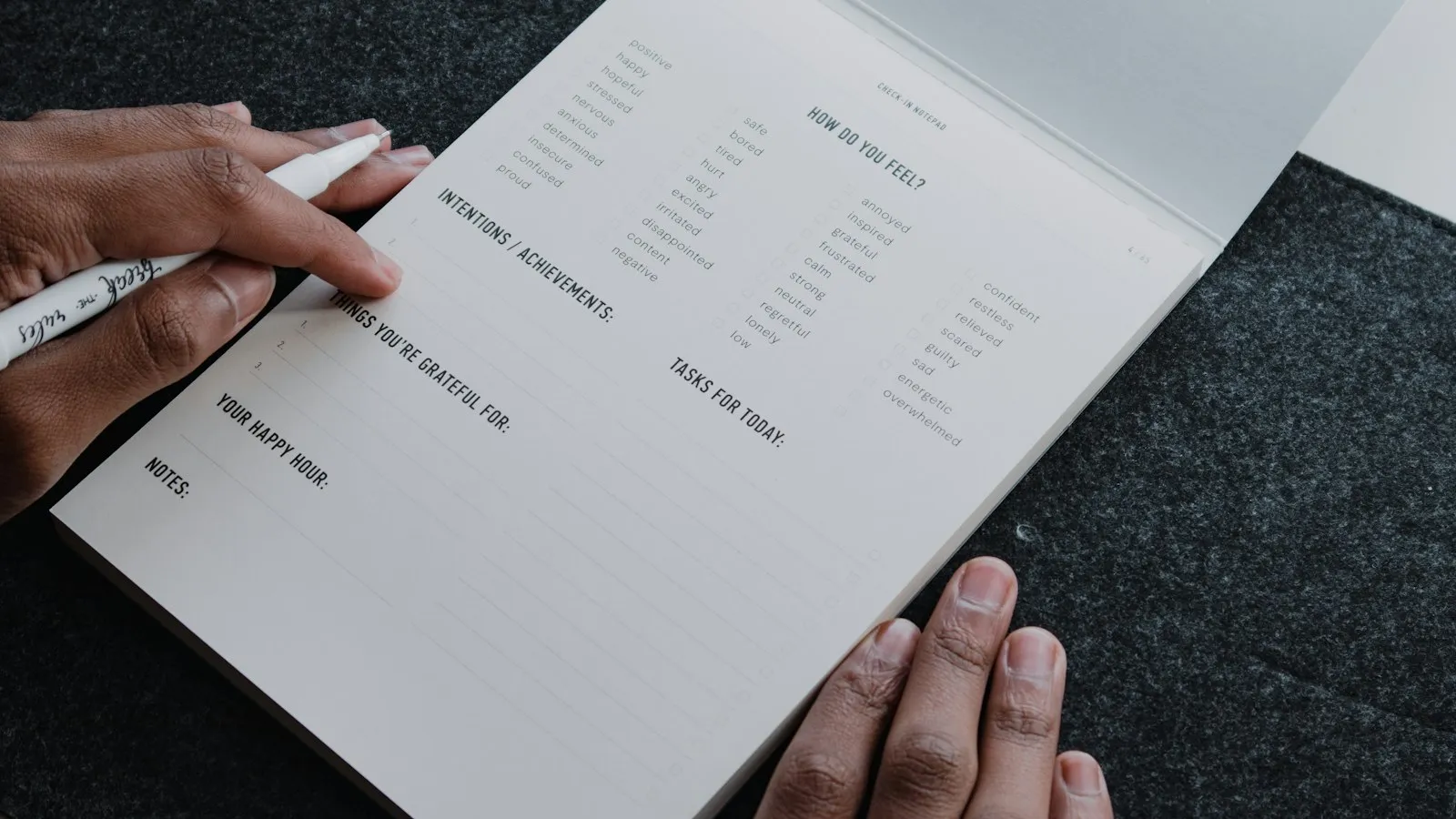
How Long Does It Really Take to Form a Habit? (Not 21 Days)
A real-world study found a median of 66 days — and that missing a day didn't ruin it. Plus a 30-day habit plan.
How to Squat: A Step-by-Step Technique Guide
Set-up, cues and common fixes for the bodyweight, goblet and barbell squat.
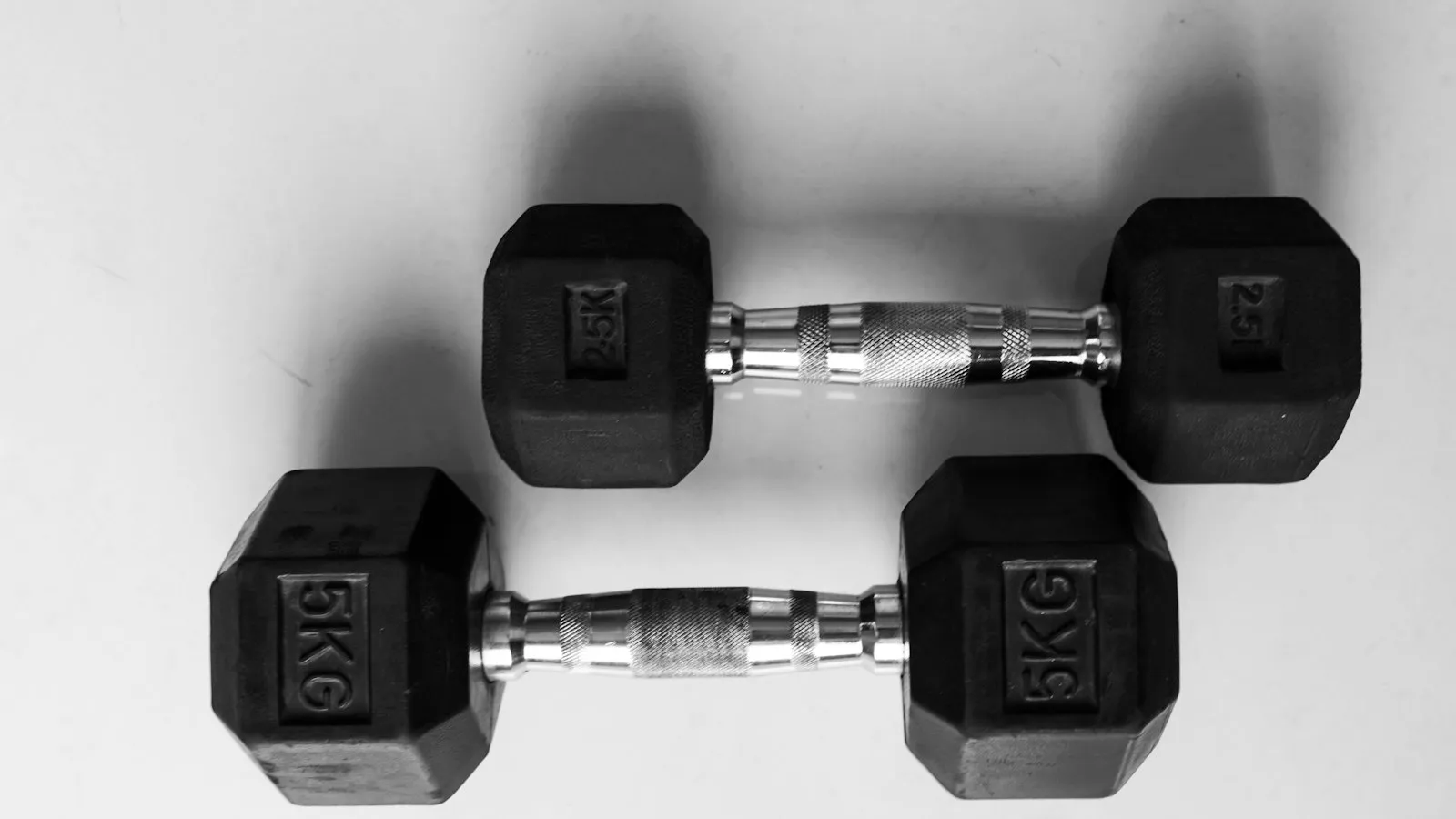
Heavy vs Light Weights: Which Builds More Muscle?
Good news for home trainers — light weights can build as much muscle as heavy ones, if you train them right.
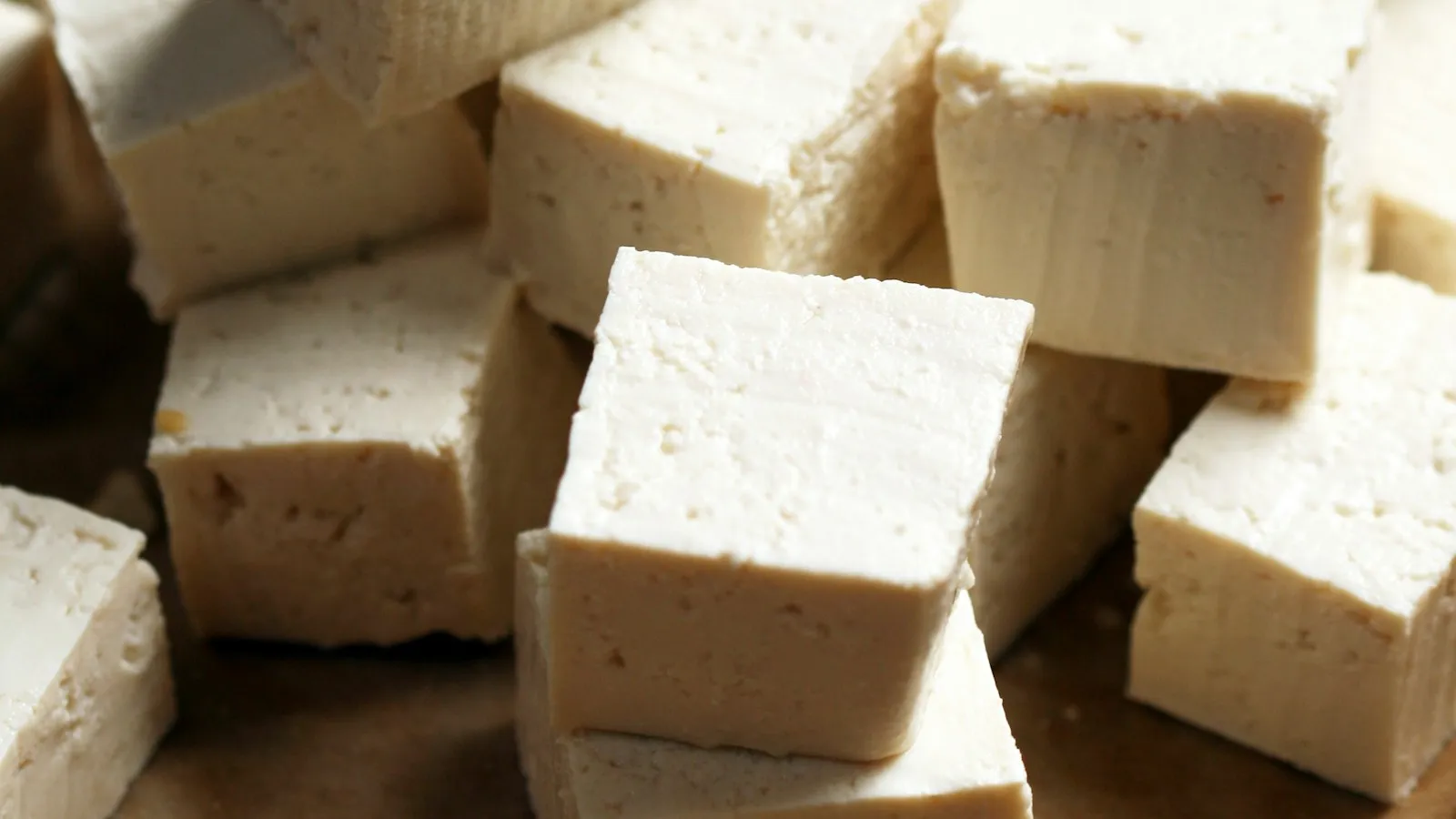
Plant-Based Protein: How to Hit Your Target Without Meat
The best plant proteins, how to combine them, and a sample vegan day with 120+ g of protein.
The If–Then Trick: The Most Underrated Tool for Sticking to Your Goals
Implementation intentions have strong research behind them. Here's how to write yours.
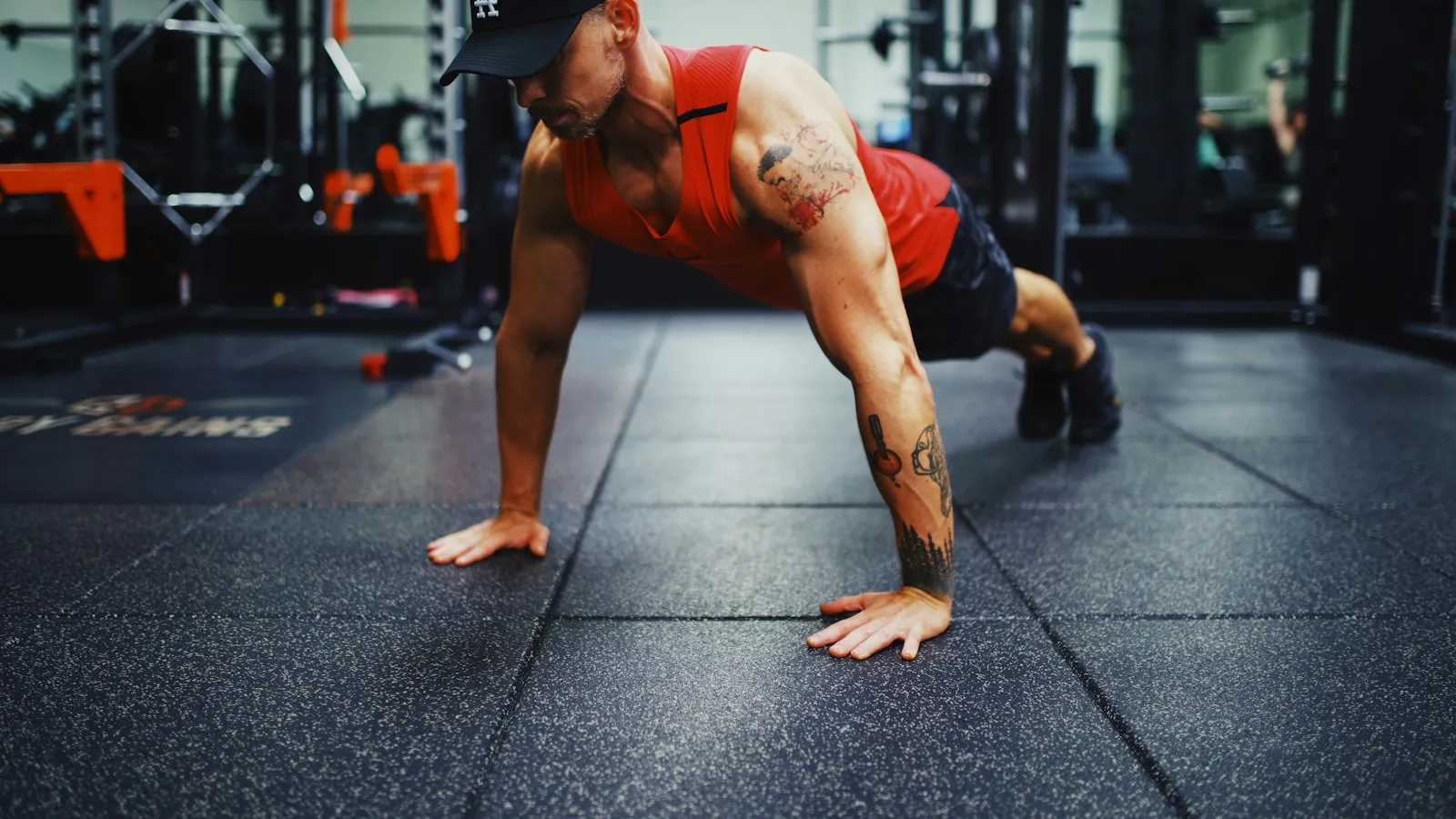
Can't Do a Push-Up Yet? A 6-Week Plan to Your First Full Rep
A step-by-step progression from wall push-ups to your first full push-up from the floor.
How Long Should You Rest Between Sets?
Short rests feel productive, but the research suggests longer breaks may build more strength and muscle.
Fibre: The Nutrient Most People Forget (and How to Get 30 g a Day)
A landmark Lancet review linked higher fibre intake to better long-term health. Here's a food chart and a full 30-gram day.

Sitting All Day? Why Short Walking Breaks Matter
Research suggests brief walks during long sitting periods have measurable benefits. Here's a desk-friendly plan.
The 4-Day Upper/Lower Split: A Complete Plan
Train each muscle twice a week in just four sessions. Full plan, schedule and progression.
How Often Should You Train Each Muscle?
Once a week "bro splits" vs full-body training — here's what the research says about frequency.

Ultra-Processed Food: What One Famous Experiment Found
Inside the NIH study where people ate about 500 extra calories a day on an ultra-processed diet — and practical swaps that help.
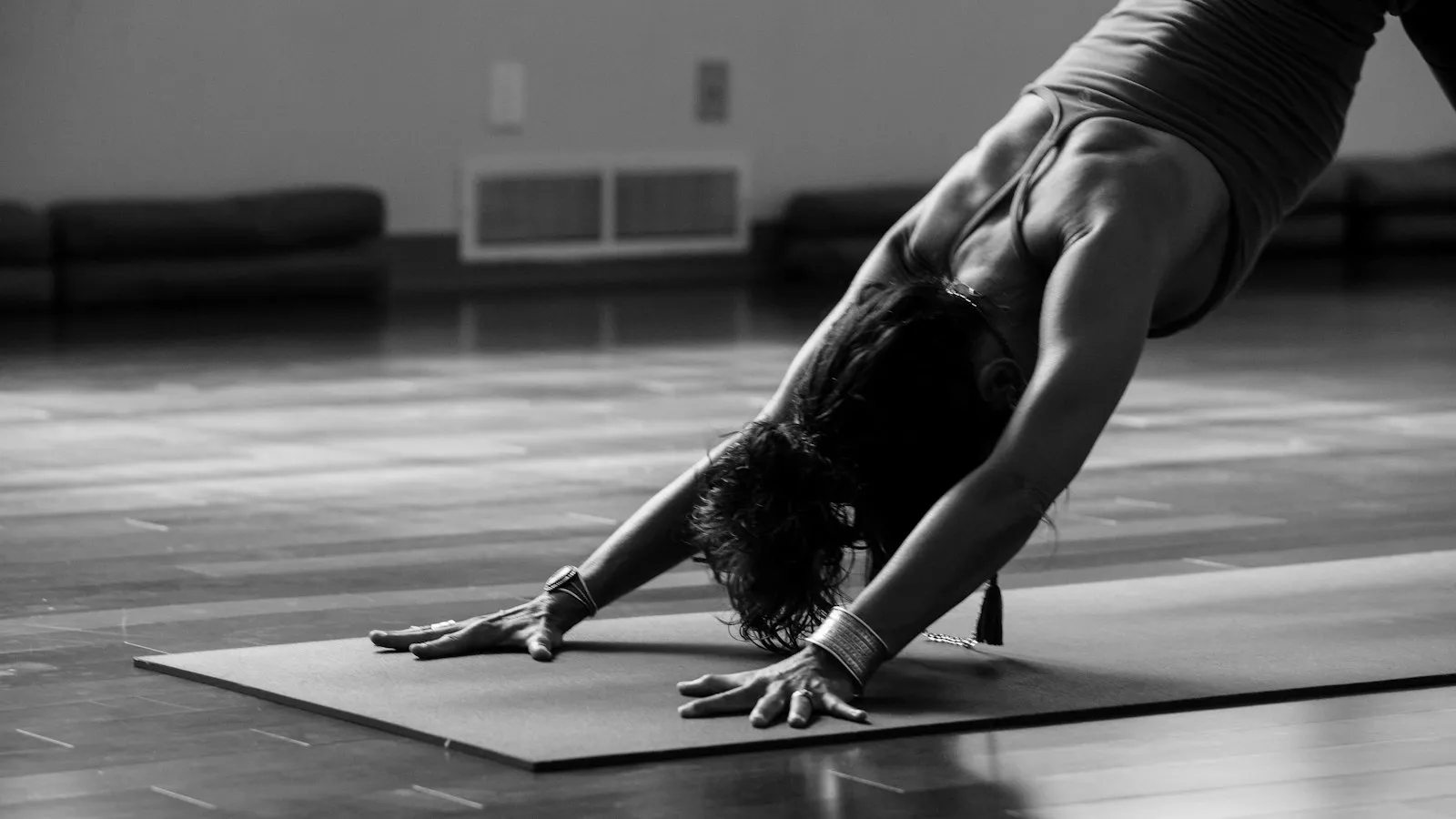
Should You Stretch Before Exercise? What a Major Review Found
Static vs dynamic stretching, performance and injury risk — the evidence in plain English.
How to Track Your Workouts (and Why It Doubles Your Progress)
What to record, how to read your log, and a simple template to start today.

The 8-Minute Warm-Up That Actually Works
Skip the long static stretches. Here's a research-informed warm-up that prepares you to perform.
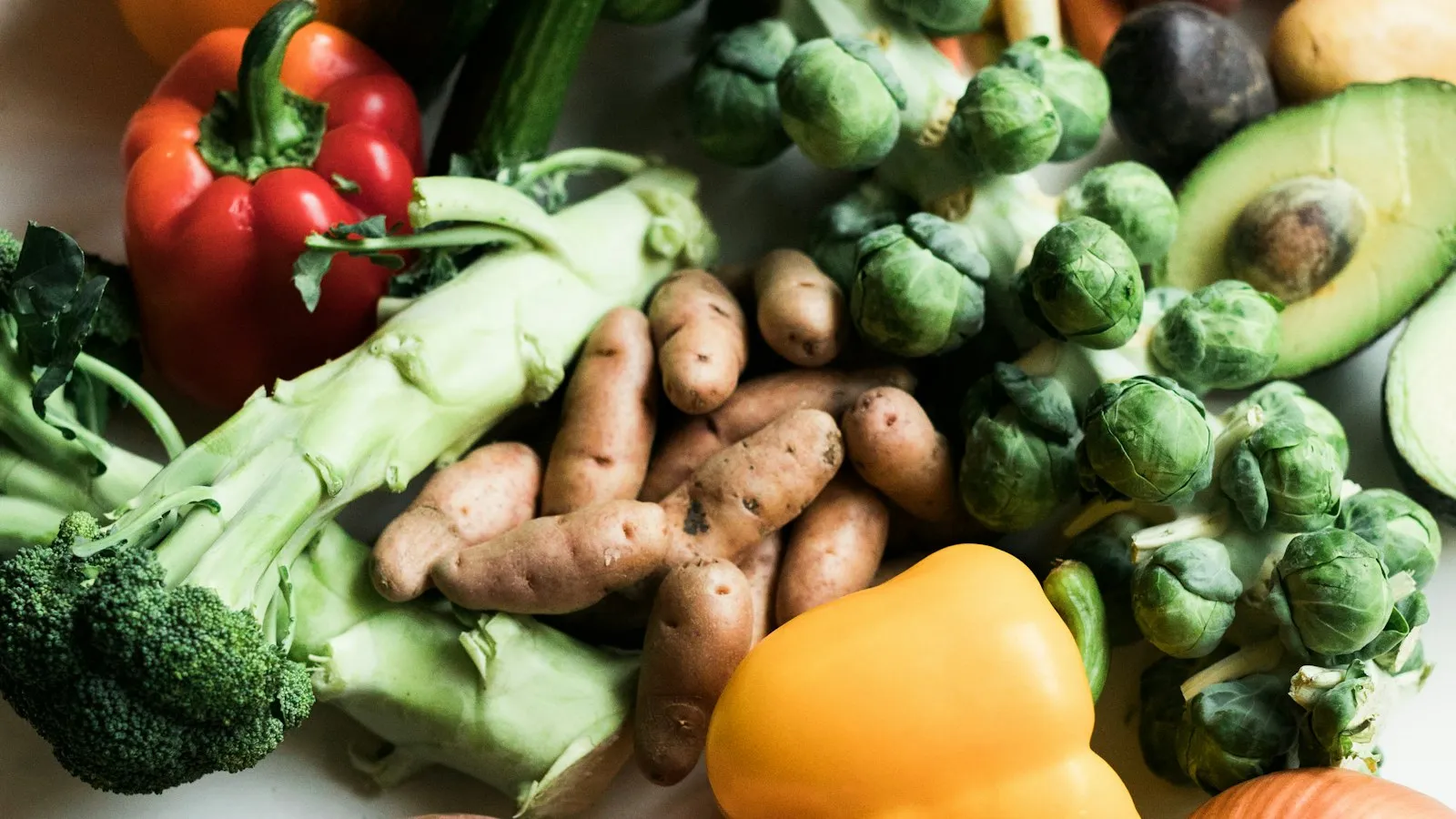
How Many Vegetables Should You Eat? More Than 5 a Day, Says the Research
A large meta-analysis found the lowest risk around 800 g of fruit and veg a day. Portion guide, chart and a practical ten-a-day plan.

Slow Breathing: A 5-Minute Tool to Calm Down
What research says about slow-paced breathing, and three simple techniques to try today.

What Is a Deload Week — and Do You Need One?
Planned easy weeks help you recover and keep progressing. Here's when and how to take one.

How Many Steps a Day Do You Really Need?
Is 10,000 steps a myth? A large 2022 analysis gives a clearer, age-specific answer — plus a 6-week plan to add steps.
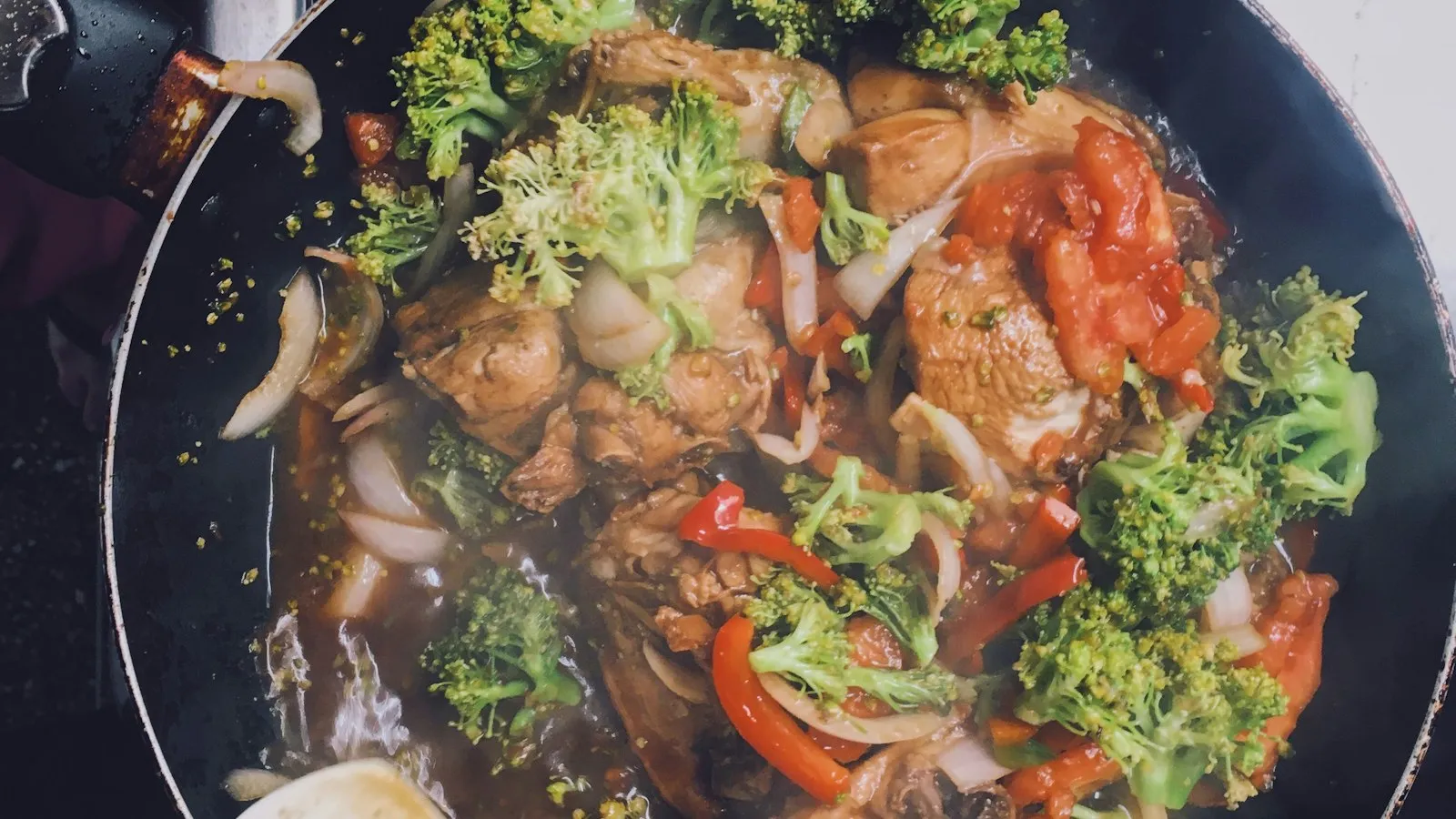
The 15-Minute Dinner Formula (Plus 6 Recipes)
One simple template for fast, balanced, high-protein dinners — and six ways to use it.

Mindfulness for Everyday Stress: What the Evidence Says
A meta-analysis on healthy adults found meaningful reductions in stress. Here's a beginner's 10-minute practice.

The 25-Minute Hotel Room Workout
Travelling? Keep your training going with this equipment-free routine that fits in a hotel room.
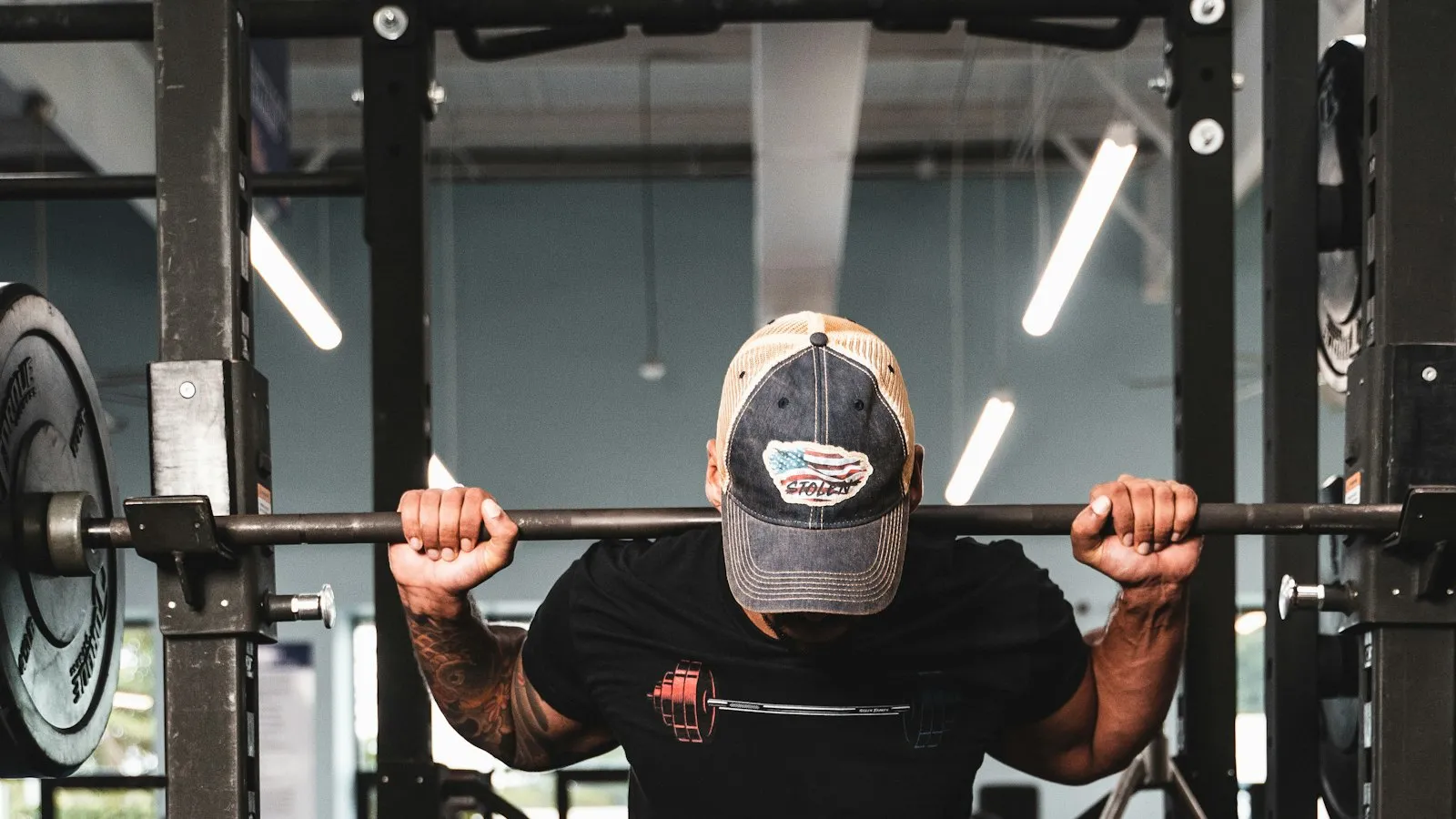
Why Strength Training Might Be the Best Thing You Do for Your Future Self
Muscle isn't just about looks. What large studies link to regular strength training, how little you need, and a 12-week starter plan.

The High-Protein Grocery List: What to Buy, Aisle by Aisle
A smart shopping list for high-protein eating on a normal budget — with cost-per-protein tips.

The 120-Minute Rule: Why Time in Nature Is Good for You
A study of 20,000 people found a weekly threshold for nature exposure linked to better health and wellbeing.
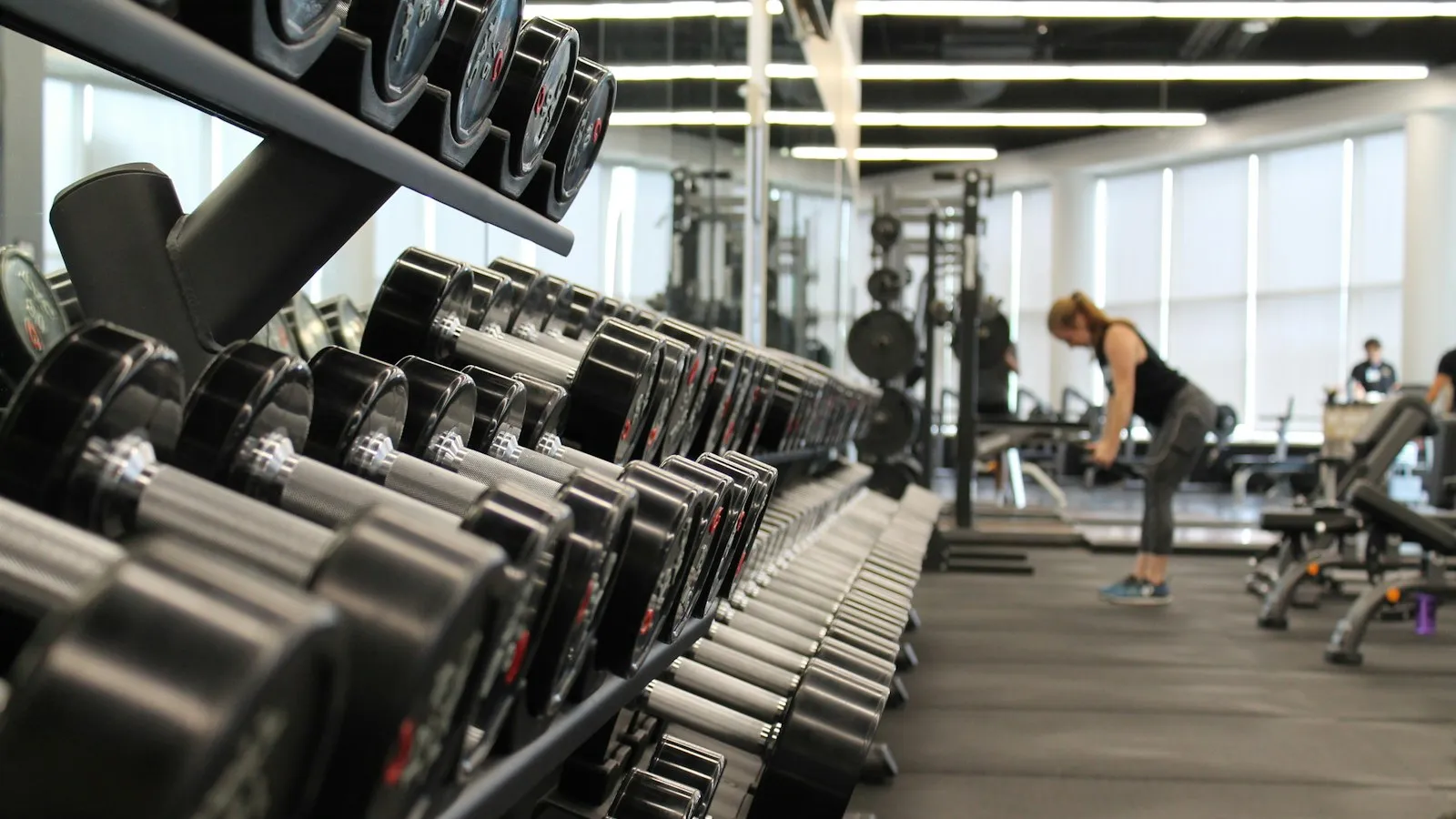
How to Choose the Right Workout Program for You
Five questions that point you to the plan you'll actually stick with.
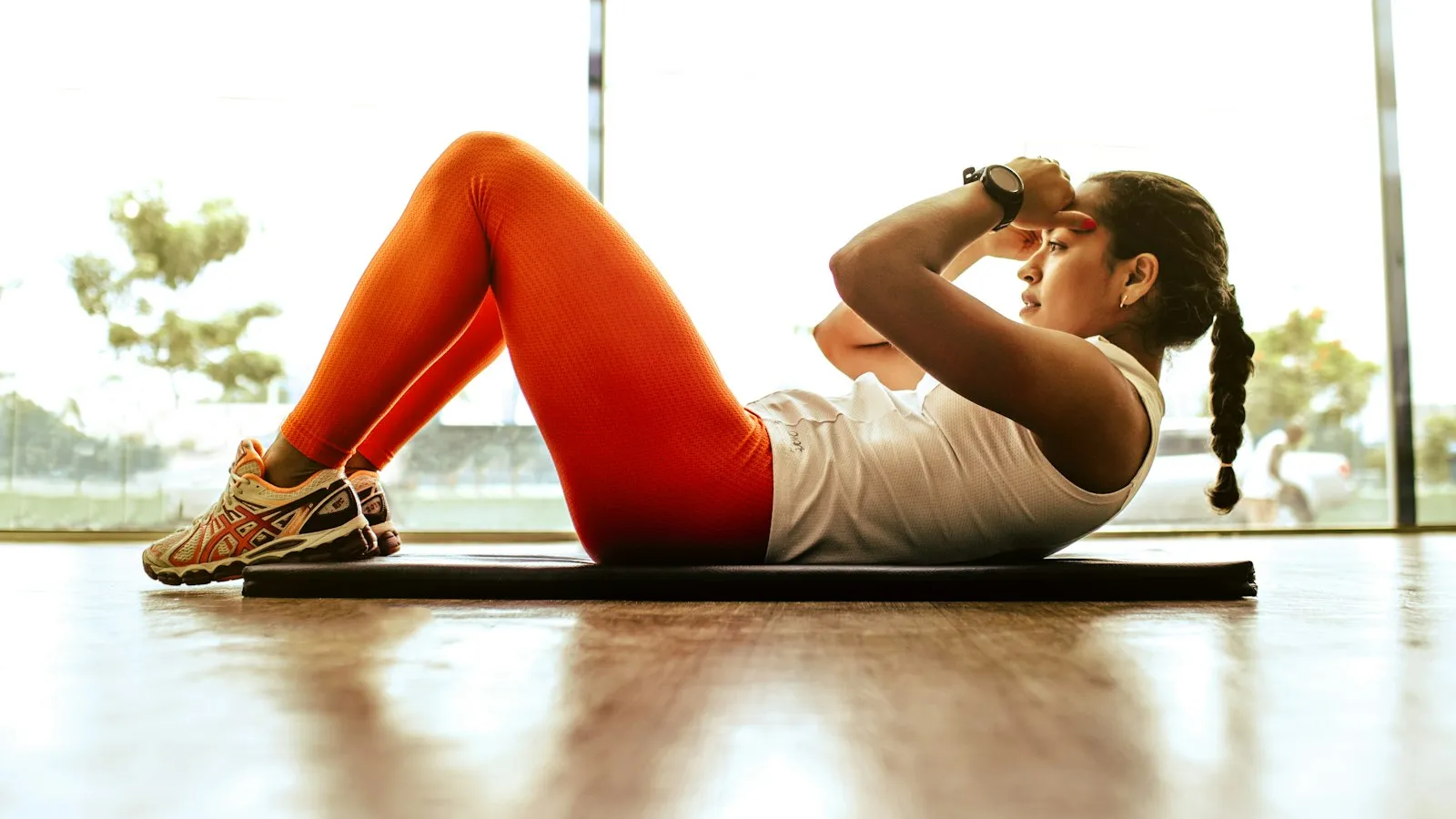
The Minimum Effective Dose: Getting Stronger When You're Short on Time
Busy week? Research suggests a surprisingly small amount of training can still build strength.
No articles match that search. Try a shorter word.