New Mothers
Back to Work After Maternity Leave: Keeping Movement in Your Week
October 9, 2026 · 4 min read · New Mothers
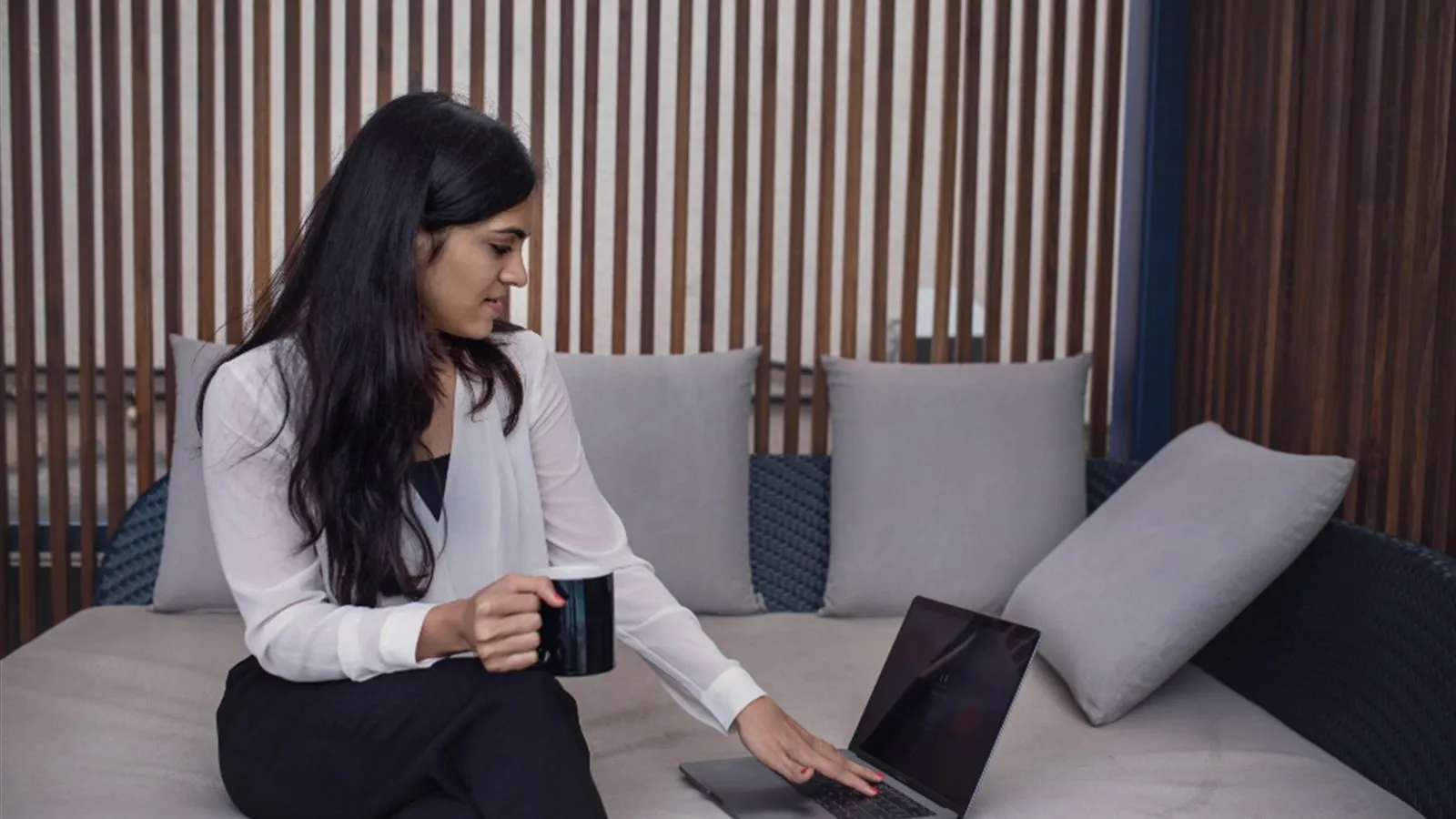
Returning to work after having a baby is a big transition. Mornings start earlier, evenings are busier, and your own exercise is often the first thing to go. The good news: you don’t need long workouts — you need a routine that survives real weeks.
Start with your baseline
The WHO recommends at least 150 minutes of moderate activity a week plus muscle-strengthening on two or more days (Bull et al., 2020). On a busy week, that can come from walking, short strength sessions and small bursts of activity rather than gym time.
Use short bursts
In a large study of people who didn’t exercise formally, those who did around three short bursts of vigorous everyday activity a day — 1 to 2 minutes each, like fast stair climbing — had a much lower risk of early death over the following years (Stamatakis et al., 2022). It was an observational study, but these “exercise snacks” fit easily into a working parent’s day:
- Stairs instead of the lift at work
- A fast walk from the car park or station
- Carrying the nursery bag briskly up a hill
Plan for the hard moments
A meta-analysis of 94 studies found that “if–then” plans — deciding in advance when and where you’ll act — had a medium-to-large effect on reaching goals (Gollwitzer & Sheeran, 2006). Try:
| If… | Then I will… |
|---|---|
| It’s my lunch break on Mon, Wed or Fri | Walk for 20 minutes outside |
| The baby is down for the night on Tue and Thu | Do my 20-minute home strength session |
| A meeting runs late | Do 10 minutes before bed instead |
| The baby is unwell and nights are bad | Walk only, and rest — no guilt |
A realistic working week
| Day | Movement |
|---|---|
| Mon | Walk the nursery run + 20-min lunchtime walk |
| Tue | 20-min home strength session after bedtime |
| Wed | Lunchtime walk |
| Thu | 20-min home strength session |
| Fri | Walk to a café or park at lunch |
| Sat | Family walk or park trip |
| Sun | Rest or gentle stretching |
That’s about 150 minutes of walking plus two strength sessions.
Make it automatic
Habits form through repetition in a consistent context. In a real-world study, a new daily behaviour took a median of 66 days to become automatic — and missing a single day didn’t derail it (Lally et al., 2010). Pick fixed days and times, and expect some weeks to go off track.
Ideas for busy days
- Walk during calls that don’t need a screen.
- Park further away from work or nursery.
- Active pick-ups: walk to the park after nursery before heading home.
- Weekend family activity: swimming, hiking, cycling with a child seat.
- Stand and stretch every hour at your desk.
Be kind to yourself
The first months back at work are an adjustment for everyone. Sleep, food and your family’s routine matter most. Movement doesn’t need to be perfect — consistent and “good enough” will carry you forward.
Talk to your employer
You may have the right to request flexible working, and many employers offer support for breastfeeding or expressing at work. Ask HR what’s available — a slightly later start or a longer lunch can make room for a walk.
A 10-minute evening session
| Exercise | Reps |
|---|---|
| Sit-to-stand | 12 |
| Counter push-up | 10 |
| Glute bridge | 15 |
| Bent-over row with water bottles | 10 each |
| Repeat 2–3 rounds | — |
Done after the baby is asleep, before you sit down for the evening.
The weekend reset
Use the weekend to set up an easier week:
- Plan your three movement slots in your calendar
- Lay out workout clothes and trainers
- Prep a few lunches so lunchtime walks aren’t eaten up by queues
- Agree evening plans with your partner so each of you gets time
Sharing the load
If you have a partner, agree who covers which evenings so you each get time to exercise. Even two 20-minute slots each a week make a difference.
When motivation dips
Expect weeks when everything slips — illness, teething, deadlines. Go back to the minimum: walk where you can and do one short session. The habit matters more than the intensity, and missing a week doesn’t undo your progress (Lally et al., 2010).
FAQ
I’m exhausted. Should I still try to exercise? On very tired days, swap a strength session for a short walk or rest. Gentle movement often helps energy, but recovery comes first.
Can I exercise before work? Yes, if that’s the time that works. Lay out your kit the night before and keep it short.
The bottom line
Walk where you can, add short strength sessions on two days, use exercise snacks, and plan “if–then” responses for the hard days. Consistency over months matters far more than any single week.
Sources
- Lally P et al. (2010). How are habits formed: modelling habit formation in the real world. European Journal of Social Psychology. doi:10.1002/ejsp.674
- Gollwitzer PM, Sheeran P (2006). Implementation intentions and goal achievement: a meta-analysis of effects and processes. Advances in Experimental Social Psychology. doi:10.1016/S0065-2601(06)38002-1
- Stamatakis E et al. (2022). Association of wearable device-measured vigorous intermittent lifestyle physical activity with mortality. Nature Medicine. doi:10.1038/s41591-022-02100-x
- Bull FC et al. (2020). World Health Organization 2020 guidelines on physical activity and sedentary behaviour. British Journal of Sports Medicine. doi:10.1136/bjsports-2020-102955
This article is general education for healthy adults, not medical advice. Check with a qualified professional before starting a new exercise or nutrition plan, especially if you have a medical condition. Full disclaimer.
Keep reading
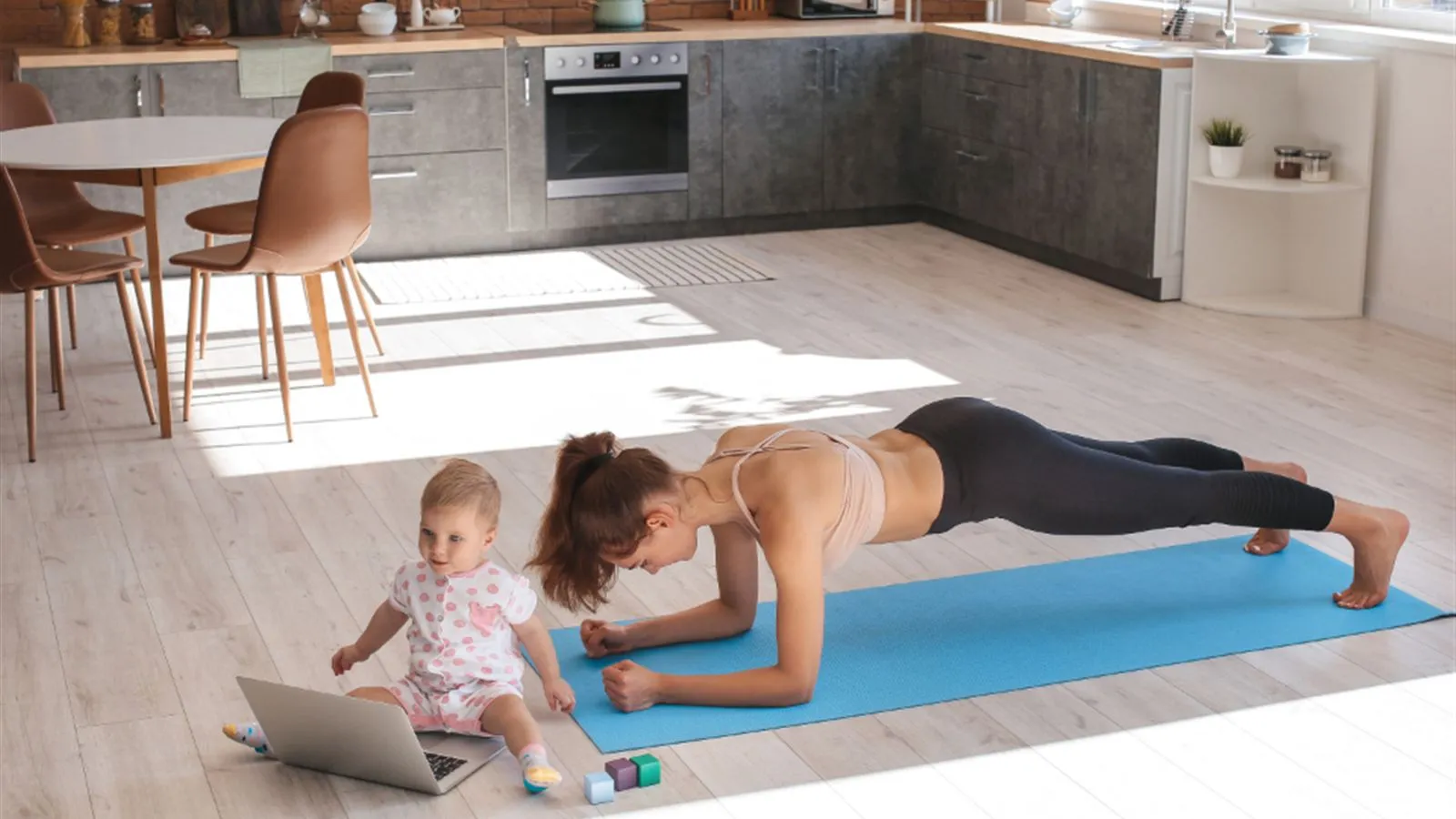
A 20-Minute Home Strength Workout (With Your Baby Nearby)
A gentle full-body routine for after your postnatal check, built around naps and floor time, with a 12-week progression.

A Postnatal Walking Plan: From 10 Minutes to 150 a Week
Walking is the easiest way back to fitness after birth. A gentle, week-by-week plan with the pram, plus how to know when to step it up.

Baby Blues or Postnatal Depression? How to Tell, and Where to Get Help
About 1 in 6 new mothers experience postnatal depression. The signs, how it differs from the baby blues, how movement can help, and when to reach out.