Ages 1–5 · active play, family meals, sleep
Little Ones
Playful movement, easy family meals and calmer bedtimes for toddlers and preschoolers.
The early years are when lifelong habits begin. This section helps parents of children aged one to five raise active, well-fed and well-rested little ones — through play, not pressure.
Find indoor and outdoor play ideas, family meal tips, guidance on snacks, sugar and screens, and calmer bedtime routines, all based on public-health guidelines for young children.
New here?
Start here

How Active Should Toddlers and Preschoolers Be?
Three hours a day sounds like a lot — until you see what counts. The early-years movement guidelines, explained simply, with ideas for every age.

Why Family Meals Matter (Even 3 a Week)
A meta-analysis of 17 studies and more than 180,000 children linked three or more shared meals a week with healthier eating. How to make it happen.

A Bedtime Routine for Toddlers That Actually Works
A study of more than 10,000 families found a consistent bedtime routine was linked to better sleep — and more nights meant better results. Here's a simple one.
Guides & programs

All Little Ones articles
Browse in the Journal →
Toddler Snacks: Simple, Healthy and Safe
Twenty snack ideas for ages 1–5, how to prepare them to reduce choking risk, and how to stop snacks from spoiling meals.
A Bedtime Routine for Toddlers That Actually Works
A study of more than 10,000 families found a consistent bedtime routine was linked to better sleep — and more nights meant better results. Here's a simple one.

How Much Sleep Do Toddlers and Preschoolers Need?
Recommended hours from the American Academy of Sleep Medicine, sample schedules with naps, and signs your child isn't getting enough.

Added Sugar and Under-5s: The Simple Rules
The American Heart Association recommends no added sugar under 2 and under 25 g a day from age 2. What that means in real food.

Screen Time Under 5: What the Guidelines and Research Say
No screens under 2, an hour or less for 2–4-year-olds. Why the limits exist, what a large study found, and practical ways to make it work.
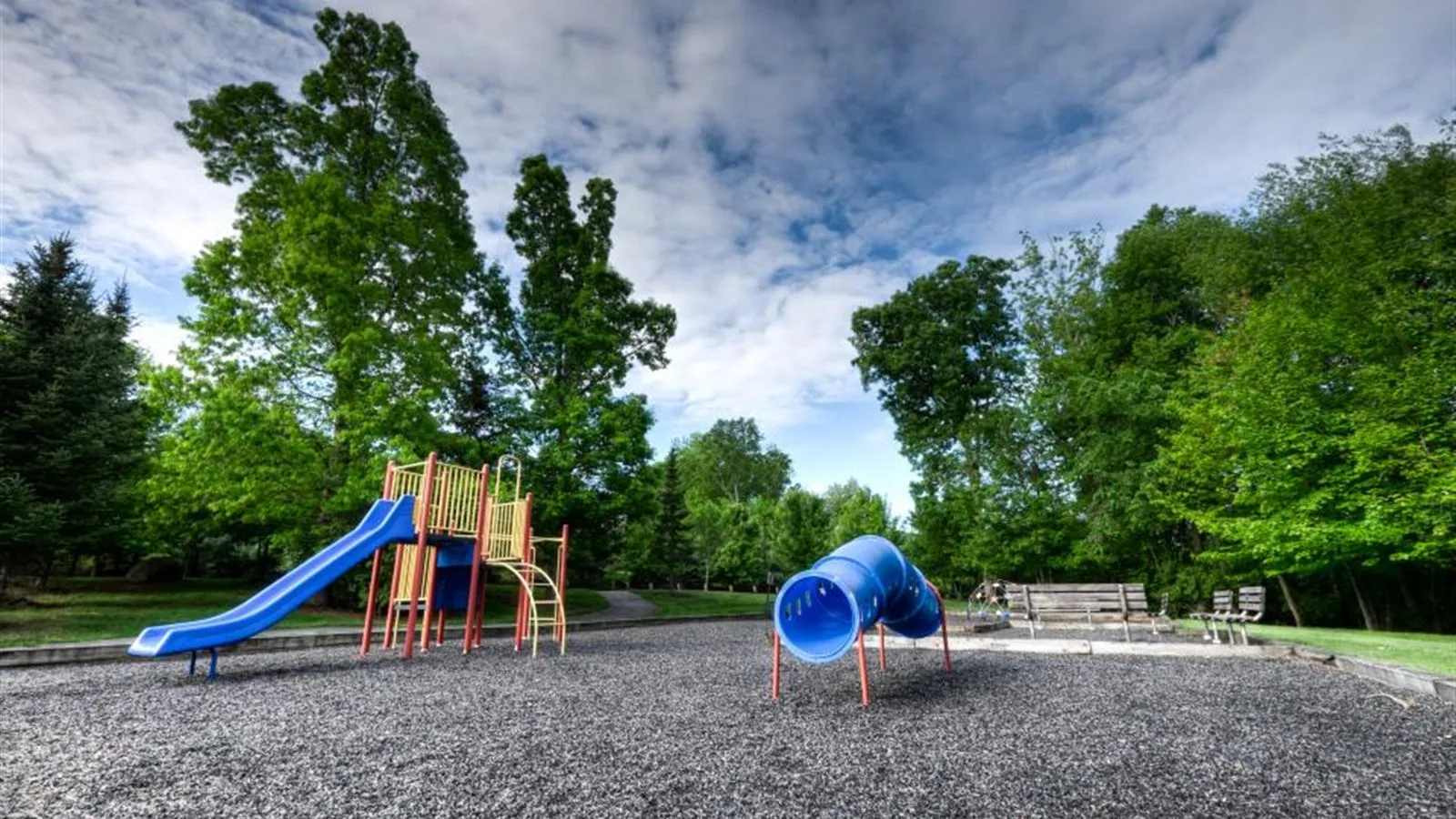
Outdoor Play Ideas for Ages 1–5
Parks, gardens, beaches and pavements — simple outdoor games that build balance, coordination and confidence, plus a weekly plan.
Why Family Meals Matter (Even 3 a Week)
A meta-analysis of 17 studies and more than 180,000 children linked three or more shared meals a week with healthier eating. How to make it happen.

15 Indoor Active Games for Rainy Days (Ages 1–5)
No garden, bad weather, small flat? These games get toddlers and preschoolers moving indoors with things you already own.

Picky Eaters: How to Help Young Children Like Vegetables
A randomised trial with 2–6-year-olds found that a tiny daily taste of a disliked vegetable worked. Here's the method, step by step.
How Active Should Toddlers and Preschoolers Be?
Three hours a day sounds like a lot — until you see what counts. The early-years movement guidelines, explained simply, with ideas for every age.
Common questions
How active should a toddler be?
The WHO recommends that children aged one to four spend at least 180 minutes a day in a variety of physical activities, spread throughout the day. Most of that can be everyday play.
How much screen time is OK for under-5s?
WHO guidelines advise no screen time for children under two, and no more than one hour a day for ages two to four — less is better. Our article has practical ideas for cutting back.
My child refuses vegetables. What can I do?
Keep offering them calmly alongside foods your child likes. Children often need many tastes of a new food before accepting it. Our picky eating article explains strategies that work.
Not sure where to begin?
Answer a few quick questions and get a free personalised plan with calorie targets, a weekly training schedule and meal ideas.