Little Ones
Picky Eaters: How to Help Young Children Like Vegetables
October 4, 2026 · 4 min read · Kids & Family
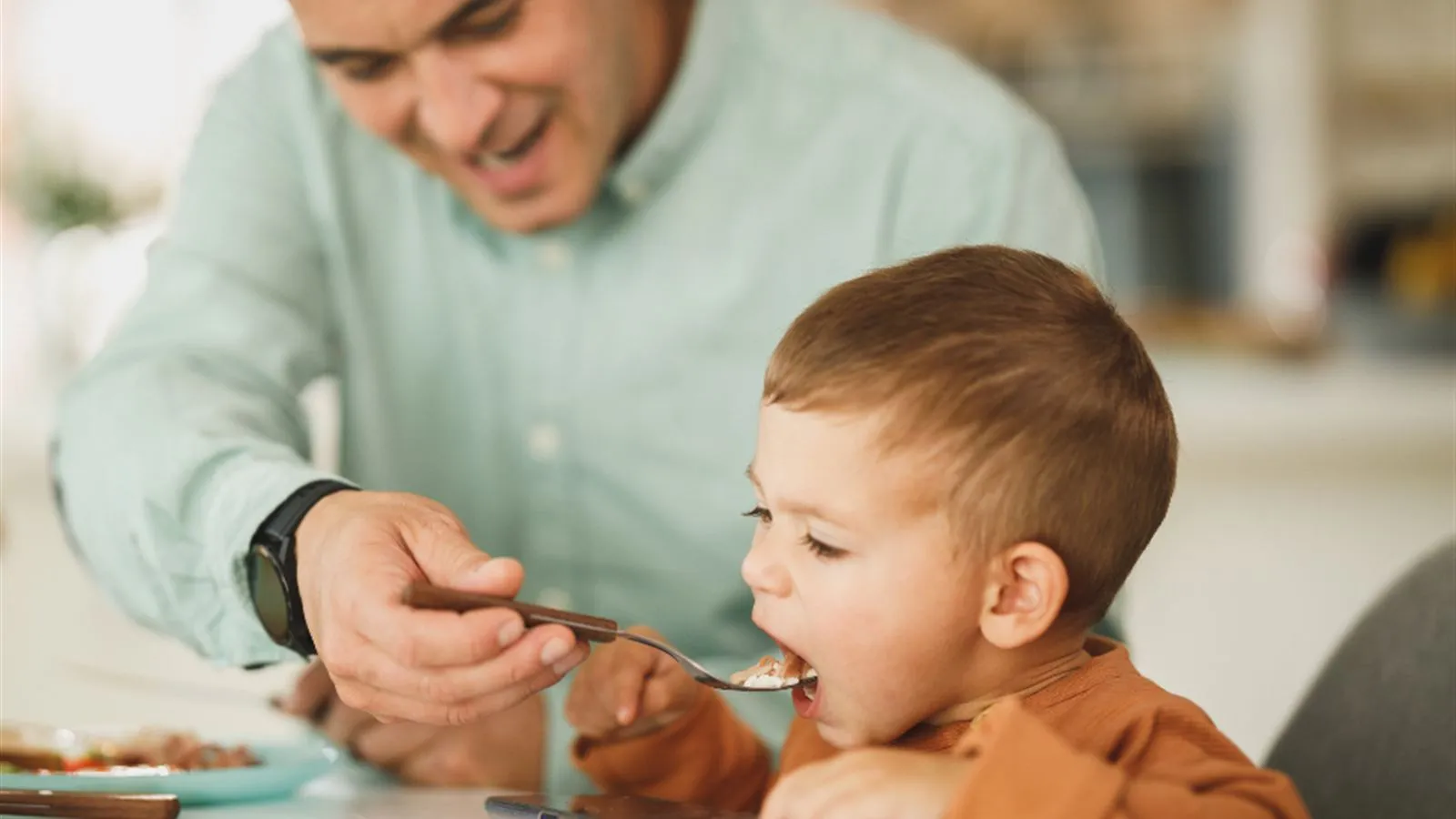
If your toddler pushes away anything green, you’re far from alone. Fussy eating peaks between about 2 and 5 years, and it’s a normal stage of development. The good news: one of the best-tested strategies is also one of the gentlest.
The research: repeated tasting
In a randomised trial, Jane Wardle and colleagues worked with parents of children aged 2–6 (Wardle et al., 2003). Each child was assigned a vegetable they had rated as disliked. Families were split into three groups:
| Group | What parents did |
|---|---|
| Exposure | Offered a small taste of the vegetable every day for 14 days |
| Information | Received advice about healthy eating, but no tasting plan |
| Control | Carried on as normal |
Children in the exposure group liked the vegetable more and ate more of it afterwards than children in the other two groups. No bribes, no pressure — just small, repeated, friendly tastes.
The tiny-taste method
- Pick one vegetable your child currently refuses.
- Offer a tiny taste once a day — a pea-sized piece, at a calm time.
- Keep it relaxed. “You can just try a little bit.” Praise trying, not finishing.
- No pressure if they refuse. Calmly offer again tomorrow.
- Keep going for two weeks. Many children need 8–15 tastes before they accept a new food.
- Eat it yourself. Children copy what adults eat.
What to avoid
| Instead of… | Try… |
|---|---|
| “Eat your broccoli or no pudding” | Serve pudding (if any) regardless; it stops vegetables feeling like a punishment |
| Hiding vegetables every time | Hide and serve them visibly, so children learn to recognise them |
| Big portions of a new food | A tiny amount next to foods they already like |
| Cooking separate “kid meals” | One family meal with at least one food they usually eat |
| Commenting on what they don’t eat | Talk about colours, crunch and taste instead |
Make vegetables more appealing
- Offer them first, when children are hungriest — for example, a few carrot sticks while dinner cooks.
- Let them help: washing, tearing lettuce, stirring.
- Change the shape: sticks, stars, grated, roasted until sweet.
- Add a dip: yoghurt, hummus or a little cheese sauce.
- Grow something — even herbs on a windowsill.
Eat together
A meta-analysis found that children and adolescents who shared three or more family meals a week were more likely to eat healthy foods and less likely to eat unhealthy ones (Hammons & Fiese, 2011). Shared meals are where children watch and copy. More in why family meals matter.
When to get advice
Talk to your child’s doctor if your child eats a very limited range of foods (fewer than about 20), is losing weight or not growing as expected, gags or vomits regularly with new foods, or if mealtimes are causing significant distress.
A two-week tasting chart
| Day | Offered | Tasted? | Reaction |
|---|---|---|---|
| 1 | Pea-sized piece of pepper | 😐 | |
| 2 | Same | ||
| … | Same | ||
| 14 | Same |
A chart makes progress visible for you — and children often enjoy adding a sticker for every taste (just praise trying, not finishing).
Vegetables children often accept first
| Easier to start with | Why |
|---|---|
| Sweetcorn, peas | Sweet, small, familiar |
| Carrots (cooked or grated) | Sweet, mild |
| Cucumber sticks | Crunchy, watery, mild |
| Roasted sweet potato | Soft and sweet |
| Cherry tomatoes (quartered) | Bright colour, juicy |
Once a few are accepted, use them as “bridges” next to new foods.
Fussy eating and growth
Young children’s appetites naturally go up and down, and many eat well one day and very little the next. Look at what they eat across a week rather than a single meal. Regular shared meals help too: children who eat with their families at least three times a week tend to eat more healthy foods (Hammons & Fiese, 2011).
Language that helps
| Instead of | Try |
|---|---|
| “Just one more bite” | “You can have a lick or a tiny taste if you like” |
| “Good girl/boy for eating it” | “You tried something new — brilliant” |
| “You don’t like that” | “You’re still learning to like that” |
FAQ
Is it okay to hide vegetables in sauces? Yes — it adds nutrients. Just keep offering them visibly too.
My child ate it yesterday and refuses it today. Completely normal. Keep offering without fuss.
The bottom line
Offer a tiny taste of one disliked vegetable every day for two weeks, without pressure, and eat it yourself. A randomised trial in 2–6-year-olds found this simple approach increased both liking and intake.
Sources
- Wardle J, Cooke LJ, Gibson EL et al. (2003). Increasing children’s acceptance of vegetables; a randomized trial of parent-led exposure. Appetite. doi:10.1016/S0195-6663(02)00135-6
- Hammons AJ, Fiese BH (2011). Is frequency of shared family meals related to the nutritional health of children and adolescents? Pediatrics. doi:10.1542/peds.2010-1440
This article is general education for healthy adults, not medical advice. Check with a qualified professional before starting a new exercise or nutrition plan, especially if you have a medical condition. Full disclaimer.
Keep reading
Toddler Snacks: Simple, Healthy and Safe
Twenty snack ideas for ages 1–5, how to prepare them to reduce choking risk, and how to stop snacks from spoiling meals.

A Bedtime Routine for Toddlers That Actually Works
A study of more than 10,000 families found a consistent bedtime routine was linked to better sleep — and more nights meant better results. Here's a simple one.

How Much Sleep Do Toddlers and Preschoolers Need?
Recommended hours from the American Academy of Sleep Medicine, sample schedules with naps, and signs your child isn't getting enough.