Little Ones
How Much Sleep Do Toddlers and Preschoolers Need?
October 7, 2026 · 4 min read · Kids & Family
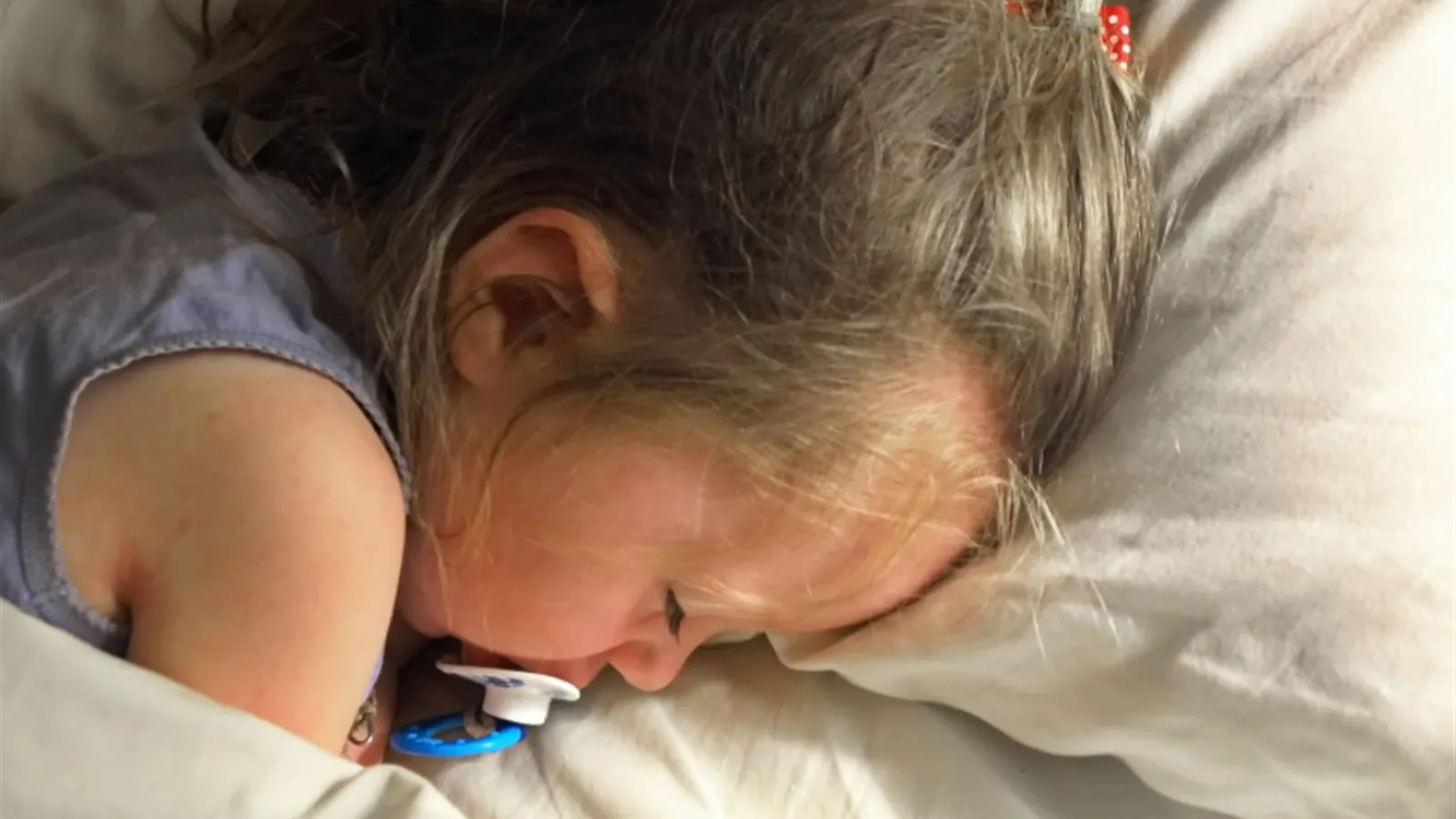
Sleep is when young children grow, consolidate what they’ve learned and reset their emotions. Too little, and you’ll often see it the next day: meltdowns, clinginess and trouble settling. Here’s how much they need.
The recommendations
The American Academy of Sleep Medicine published consensus recommendations for children based on a review of the evidence (Paruthi et al., 2016). Hours are per 24 hours, including naps:
American Academy of Sleep Medicine (Paruthi et al., 2016). The Canadian early-years guidelines recommend the same ranges for 1–4-year-olds (Tremblay et al., 2017).
View as table
| Item | hours |
|---|---|
| Infants 4–12 months | 12–16 |
| Toddlers 1–2 years | 11–14 |
| Preschoolers 3–5 years | 10–13 |
The early-years movement guidelines add that bedtimes and wake times should be consistent (Tremblay et al., 2017).
Sample schedules
| Age | Wake | Nap | Bedtime | Total |
|---|---|---|---|---|
| 15 months | 7:00 a.m. | 12:00–2:00 p.m. | 7:00 p.m. | ~14 h |
| 2 years | 7:00 a.m. | 1:00–2:30 p.m. | 7:30 p.m. | ~13 h |
| 3 years | 7:00 a.m. | 1:00–2:00 p.m. (or quiet time) | 7:30 p.m. | ~12½ h |
| 4–5 years | 7:00 a.m. | Often none | 7:30 p.m. | ~11½ h |
Every child is different — these are starting points, not rules.
When do naps stop?
Most children drop to one nap somewhere between 12 and 18 months, and many stop napping between 3 and 5 years. Signs your child may be ready to drop a nap:
- They regularly take a long time to fall asleep at nap time.
- The nap pushes bedtime much later.
- They’re happy and alert through the afternoon without it.
Replace the nap with quiet time: books, puzzles or soft music in a calm room.
Signs of too little sleep
- Falling asleep in the car or pushchair at times they normally wouldn’t
- Being very hard to wake in the morning
- More tantrums, irritability or hyperactivity, especially late in the day
- Needing to “catch up” with long lie-ins at weekends
What helps
- A consistent bedtime routine. A study of more than 10,000 young children in 14 countries found that a regular bedtime routine was associated with better sleep — and the more nights a week families did it, the better (Mindell et al., 2015). See our bedtime routine guide.
- An earlier bedtime is often the answer for an overtired toddler.
- Daytime activity and outdoor light help children feel sleepy at night.
- No screens in the hour before bed.
- A dark, cool, quiet room.
When to see a doctor
Talk to your child’s doctor if your child snores loudly most nights, pauses in breathing or gasps during sleep, is very sleepy during the day despite enough time in bed, or if sleep problems are affecting the whole family.
Common toddler sleep challenges
| Challenge | Try |
|---|---|
| Bedtime battles | A predictable routine and small choices (“blue or green pyjamas?”) |
| Night waking | Keep night visits brief, quiet and boring; avoid lights and screens |
| Early waking | Darker room, slightly earlier bedtime, a “wake-up” light or clock |
| Nap refusal | Offer quiet time instead; move bedtime earlier on no-nap days |
| Climbing out of the cot | Lower the mattress; consider a toddler bed if it’s unsafe |
The day shapes the night
Plenty of active play and time outdoors during the day help children fall asleep more easily. The early-years guidelines treat activity, sitting, screens and sleep as one connected 24 hours (Tremblay et al., 2017).
Moving to a big bed
There’s no perfect age, but many children move between 2 and 3½. Signs it’s time: climbing out of the cot, or being too big for it. Keep the bedtime routine exactly the same, make the room safe (secure furniture, cover sockets, use a safety gate if needed), and expect a few unsettled nights.
Sleep and illness
Colds, teething and illness often disrupt sleep for a few nights. Comfort your child as needed, then return to the usual routine once they’re well. A consistent routine makes it easier to get back on track (Mindell et al., 2015).
FAQ
My toddler wakes at 5 a.m. What can I do? Check the room is dark, keep the morning calm and dim until a set time, and make sure bedtime isn’t too late — overtired children often wake early.
Is it okay if my child sleeps less than the range? Some children need a little less or more. If your child is happy, healthy and alert, they’re probably getting enough.
The bottom line
Toddlers need 11–14 hours and preschoolers 10–13 hours a day, including naps. Consistent bed and wake times, a calming routine and plenty of daytime activity make the biggest difference.
Sources
- Paruthi S et al. (2016). Recommended amount of sleep for pediatric populations: a consensus statement of the American Academy of Sleep Medicine. Journal of Clinical Sleep Medicine. doi:10.5664/jcsm.5866
- Tremblay MS et al. (2017). Canadian 24-Hour Movement Guidelines for the Early Years (0–4 years): an integration of physical activity, sedentary behaviour, and sleep. BMC Public Health. doi:10.1186/s12889-017-4859-6
- Mindell JA et al. (2015). Bedtime routines for young children: a dose-dependent association with sleep outcomes across countries. Sleep. doi:10.5665/sleep.4662
This article is general education for healthy adults, not medical advice. Check with a qualified professional before starting a new exercise or nutrition plan, especially if you have a medical condition. Full disclaimer.
Keep reading

Toddler Snacks: Simple, Healthy and Safe
Twenty snack ideas for ages 1–5, how to prepare them to reduce choking risk, and how to stop snacks from spoiling meals.

A Bedtime Routine for Toddlers That Actually Works
A study of more than 10,000 families found a consistent bedtime routine was linked to better sleep — and more nights meant better results. Here's a simple one.

Added Sugar and Under-5s: The Simple Rules
The American Heart Association recommends no added sugar under 2 and under 25 g a day from age 2. What that means in real food.