For parents and coaches
Young Athletes
Safe strength training, smart training loads, sleep and fuel for active kids and teens.
Young athletes need more than sport-specific practice. Strength training, smart training loads, enough sleep and good food help them perform better, stay healthy and enjoy sport for life.
This section is written for parents and coaches of active children and teens, with guidance drawn from international consensus statements on youth athletic development.
New here?
Start here

Is Strength Training Safe for Kids and Teens?
What the 2014 International Consensus on youth resistance training says about safety, benefits, when to start, and what good supervision looks like.

How Much Training Is Too Much for a Young Athlete?
Signs of overload, a simple weekly load check, and how rest days and time off protect kids and teens from overuse injuries and burnout.

Fuelling Young Athletes: Meals, Snacks and Match-Day Food
Growing athletes need enough food, not diets. A simple plate model, training-day timing, match-day ideas and warning signs of under-fuelling.
Guides & programs

All Young Athletes articles
Browse in the Journal →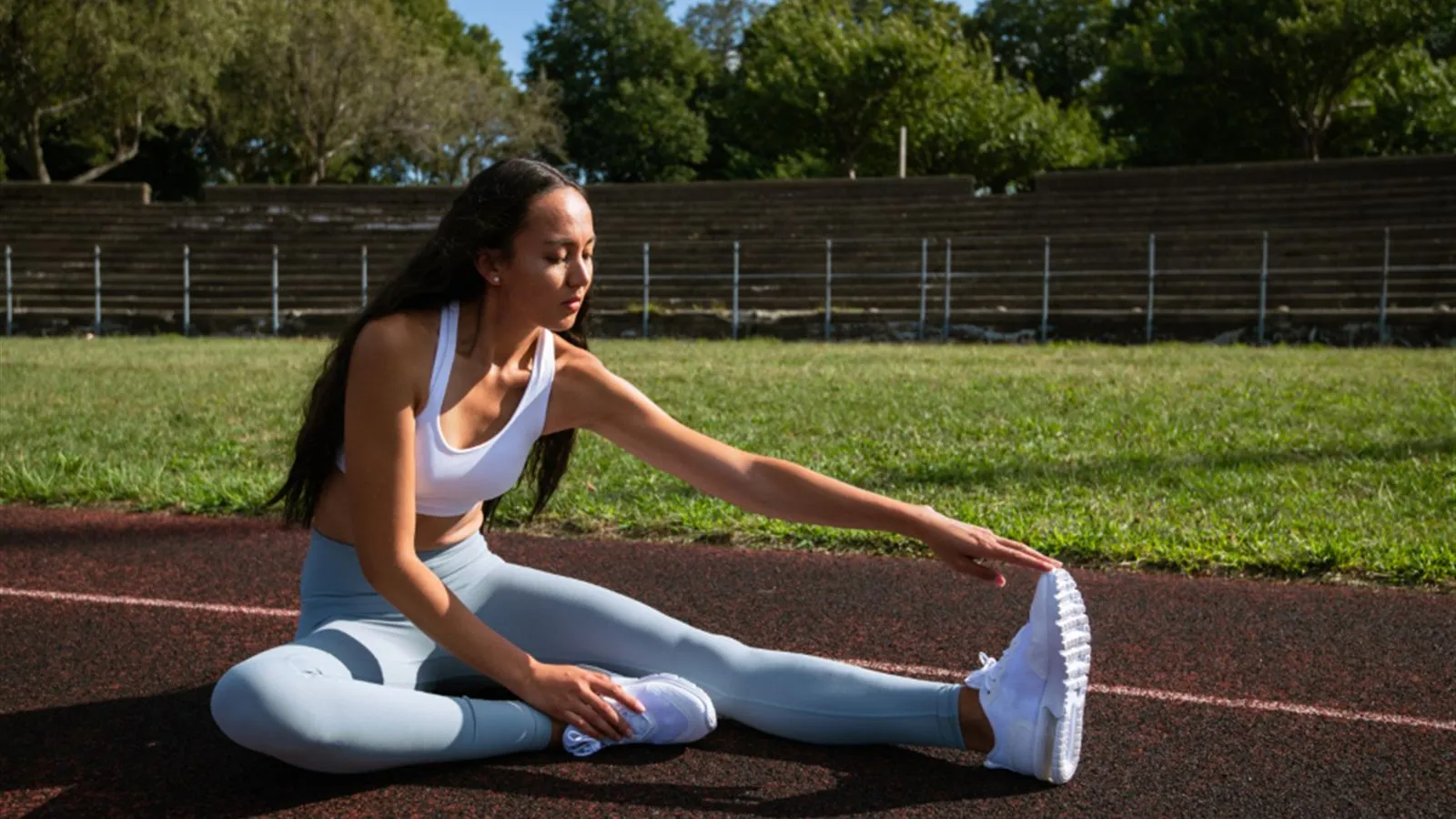
An Injury-Prevention Warm-Up for Young Athletes
A 12-minute warm-up built on movement skills, landing technique and strength — the kind of neuromuscular training recommended in youth sport.
Fuelling Young Athletes: Meals, Snacks and Match-Day Food
Growing athletes need enough food, not diets. A simple plate model, training-day timing, match-day ideas and warning signs of under-fuelling.

Growth Spurts and Sport: What Parents and Coaches Should Know
Rapid growth can bring clumsiness, aches and a temporary dip in performance. How to adjust training, and when pain needs a doctor.

How Active Should School-Age Kids and Teens Be?
The WHO recommends an average of 60 minutes a day for ages 5–17, plus strengthening three days a week. What counts, and how sport fits in.
How Much Training Is Too Much for a Young Athlete?
Signs of overload, a simple weekly load check, and how rest days and time off protect kids and teens from overuse injuries and burnout.
Is Strength Training Safe for Kids and Teens?
What the 2014 International Consensus on youth resistance training says about safety, benefits, when to start, and what good supervision looks like.
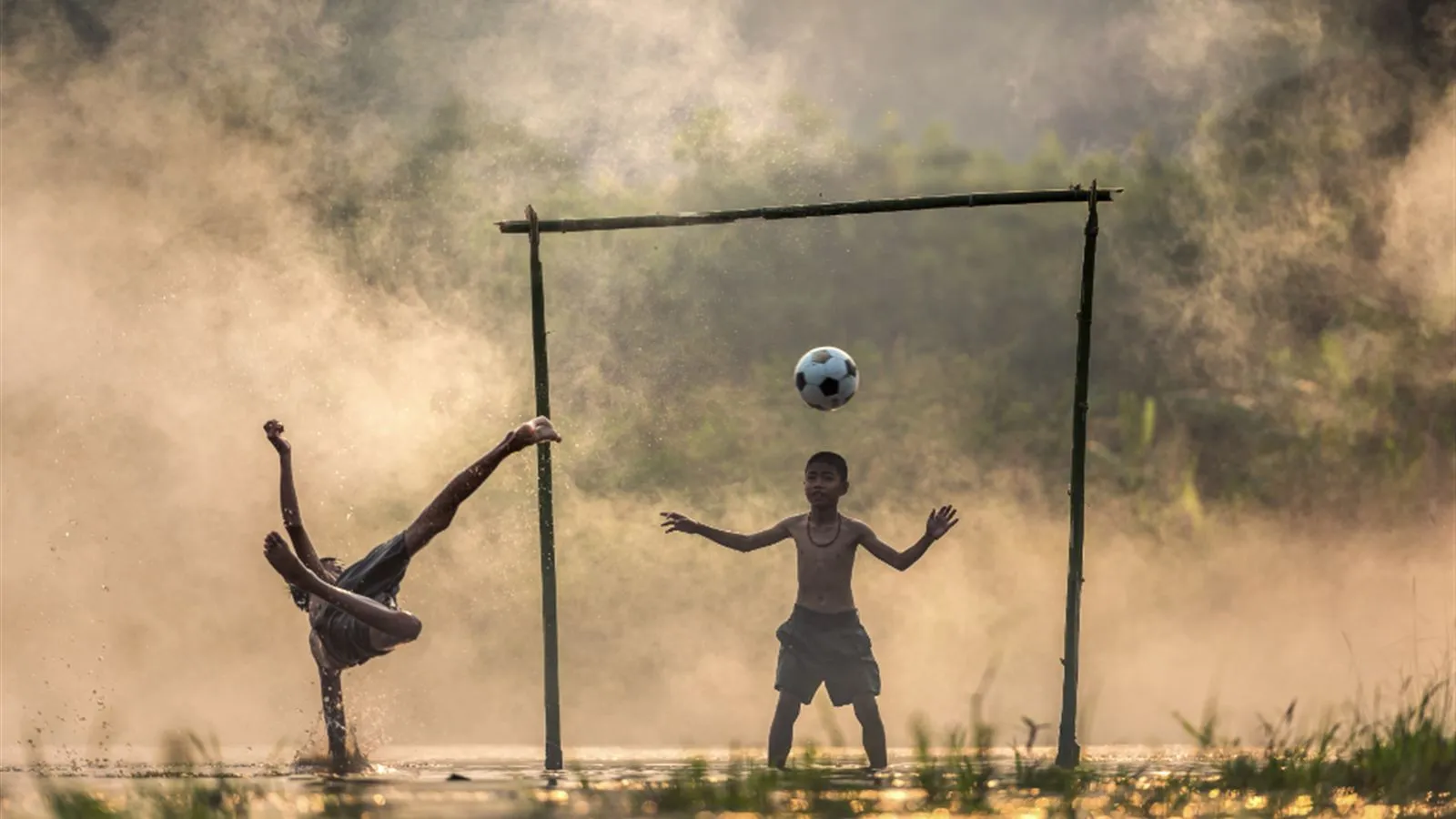
Should Kids Specialise in One Sport Early?
Experts recommend trying many sports and delaying specialisation for most young athletes. Why sampling builds better athletes, and how to plan the year.

Sleep for Young Athletes: The Most Underrated Training Tool
Teens sleeping under 8 hours were about 1.7 times more likely to be injured in one study. How much sleep kids need, and how to protect it around sport.

Sports Drinks and Energy Drinks: What Kids Actually Need
The American Academy of Pediatrics says energy drinks have no place in children's diets and water is the best drink for most young athletes. Here's why.

The Parent's Role in Youth Sport: Support Without Pressure
How to keep sport fun, avoid burnout, talk after games, and work with coaches — so your child stays active for life.
Common questions
Is strength training safe for children?
Yes, when it is properly designed and supervised. International consensus statements conclude that resistance training is safe and effective for children and adolescents, and can help reduce sports injuries.
Should my child specialise in one sport early?
Research on young athletes suggests playing a variety of sports, with regular rest days and breaks from the main sport, lowers the risk of overuse injury and burnout. Our article explains the evidence.
Do young athletes need sports drinks or supplements?
Usually not. Water is the best drink for most activity, energy drinks are not recommended for children and teens, and a balanced diet covers nutrition needs. Speak to a doctor before giving any supplement.
Not sure where to begin?
Answer a few quick questions and get a free personalised plan with calorie targets, a weekly training schedule and meal ideas.