Young Athletes
Fuelling Young Athletes: Meals, Snacks and Match-Day Food
October 9, 2026 · 4 min read · Young Athletes
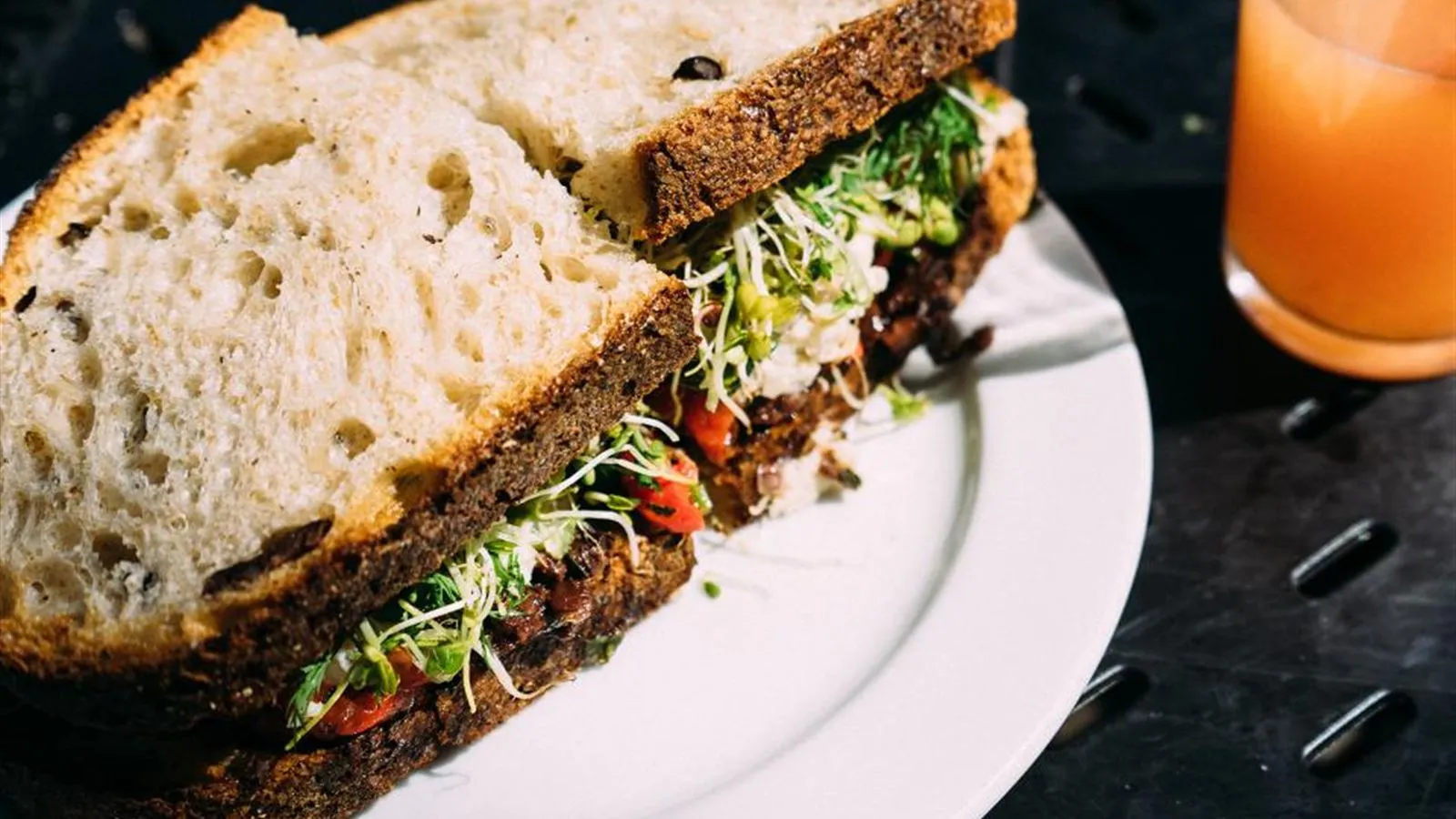
Young athletes are growing and training — two big energy demands at once. The most important nutrition message for them is simple: eat enough, regularly, from a variety of foods. Diets, skipped meals and supplements aren’t the answer.
This is general guidance for healthy children and teens. For specific medical or dietary needs, talk to your doctor or a registered dietitian.
The big picture
The International Olympic Committee’s consensus on youth athletic development emphasises healthy growth, adequate nutrition and recovery as foundations of long-term athletic development (Bergeron et al., 2015). For most young athletes, that means three meals and two to three snacks a day, built from everyday foods.
The athlete’s plate
| Part of the plate | Examples | Why |
|---|---|---|
| Carbohydrate (about a third) | Rice, pasta, bread, potatoes, oats, wraps | Main fuel for training |
| Protein (about a quarter) | Chicken, fish, eggs, beans, lentils, yoghurt, milk, tofu | Growth, repair and recovery |
| Fruit and vegetables (about a third or more) | Any — fresh, frozen or tinned | Vitamins, minerals, fibre |
| A little healthy fat | Olive oil, nuts (for older children), avocado | Energy and essential nutrients |
| Calcium | Milk, yoghurt, cheese, fortified alternatives | Growing bones |
On heavy training days, portions of carbohydrate go up. On rest days, they come down a little.
Timing around training
| When | What |
|---|---|
| 2–3 hours before | A normal meal: e.g. pasta with chicken and vegetables |
| 30–60 minutes before (if hungry) | A light snack: banana, toast, yoghurt |
| During (sessions over about an hour) | Water; fruit or a snack in long sessions |
| Within an hour after | Snack or meal with carbs and protein: milk and a sandwich, yoghurt and fruit, a chicken wrap |
Match-day ideas
- Breakfast: porridge with banana, or eggs on toast with fruit.
- Pre-match (2–3 h): pasta, rice or a sandwich with a protein filling.
- Between games at tournaments: bananas, sandwiches, crackers, rice cakes, yoghurt, water.
- After: a proper meal with protein, carbs and vegetables.
Drinks
Water is the best everyday drink. Sports drinks are only useful for long, intense sessions, and energy drinks should be avoided completely (Schneider & Benjamin, 2011). Sugary drinks should be limited — the American Heart Association suggests no more than about one 240 ml cup of sugar-sweetened drinks a week for children (Vos et al., 2017).
Watch for under-fuelling
Some young athletes — especially in sports focused on weight or appearance — don’t eat enough for their training. Warning signs:
- Constant tiredness, frequent illness or injuries
- Weight loss or failure to grow as expected
- Missed or irregular periods in girls
- Preoccupation with food, weight or body shape
- Skipping meals or “earning” food with exercise
If you notice these, talk to your doctor. Under-fuelling can affect growth, bones and long-term health, and early support matters.
Supplements
Young athletes don’t need protein powders or performance supplements — food covers their needs. Talk to a doctor or registered dietitian before considering any supplement.
Packed lunch and snack ideas
| Snack | Why it works |
|---|---|
| Banana and a yoghurt | Quick carbs + protein |
| Wholegrain bagel with peanut butter | Energy that lasts |
| Cheese, crackers and an apple | Easy to pack |
| Homemade flapjack or banana muffin | Carbs for long days |
| Milk or a smoothie | Fluid, protein and carbs |
A training-day menu (age 14)
| Time | Food |
|---|---|
| 7:00 | Porridge with banana and milk |
| 10:30 | Yoghurt and an apple |
| 13:00 | Chicken and salad wrap, carrot sticks, water |
| 15:30 | Bagel with peanut butter (pre-training snack) |
| 17:00–18:30 | Training — water |
| 19:00 | Spaghetti bolognese with vegetables, glass of milk |
| 21:00 | Toast or cereal if hungry |
Breakfast matters
Skipping breakfast is common in teens but makes it harder to fuel training and concentrate at school. Quick options: overnight oats, toast with eggs, a smoothie with yoghurt and fruit, or cereal with milk.
Vegetarian and vegan young athletes
Plant-based diets can support young athletes well with planning. Include a protein source at every meal (beans, lentils, tofu, eggs, dairy or fortified alternatives), iron-rich foods with vitamin C, and calcium-rich foods. Vegan athletes need a reliable source of vitamin B12 — talk to your doctor or a registered dietitian.
Iron in teenage girls
Teenage girls who have started their periods need more iron. Signs of low iron include tiredness, breathlessness and poor performance. If you’re concerned, ask your doctor about a blood test rather than giving supplements without advice.
FAQ
Should my teen count calories or macros? Generally no. Regular meals, snacks and listening to hunger are better for growing athletes.
What if my child is a picky eater? Build around foods they like, offer new foods alongside favourites, and talk to your doctor if their diet is very limited.
The bottom line
Young athletes need enough food, regularly: carbs for fuel, protein for growth and repair, fruit and vegetables, calcium for bones and water to drink. Watch for signs of under-fuelling and avoid supplements and energy drinks.
Sources
- Bergeron MF et al. (2015). International Olympic Committee consensus statement on youth athletic development. British Journal of Sports Medicine. doi:10.1136/bjsports-2015-094962
- Schneider MB, Benjamin HJ, Committee on Nutrition and Council on Sports Medicine and Fitness (2011). Sports drinks and energy drinks for children and adolescents: are they appropriate? Pediatrics. doi:10.1542/peds.2011-0965
- Vos MB et al. (2017). Added sugars and cardiovascular disease risk in children: a scientific statement from the American Heart Association. Circulation. doi:10.1161/CIR.0000000000000439
This article is general education for healthy adults, not medical advice. Check with a qualified professional before starting a new exercise or nutrition plan, especially if you have a medical condition. Full disclaimer.
Keep reading
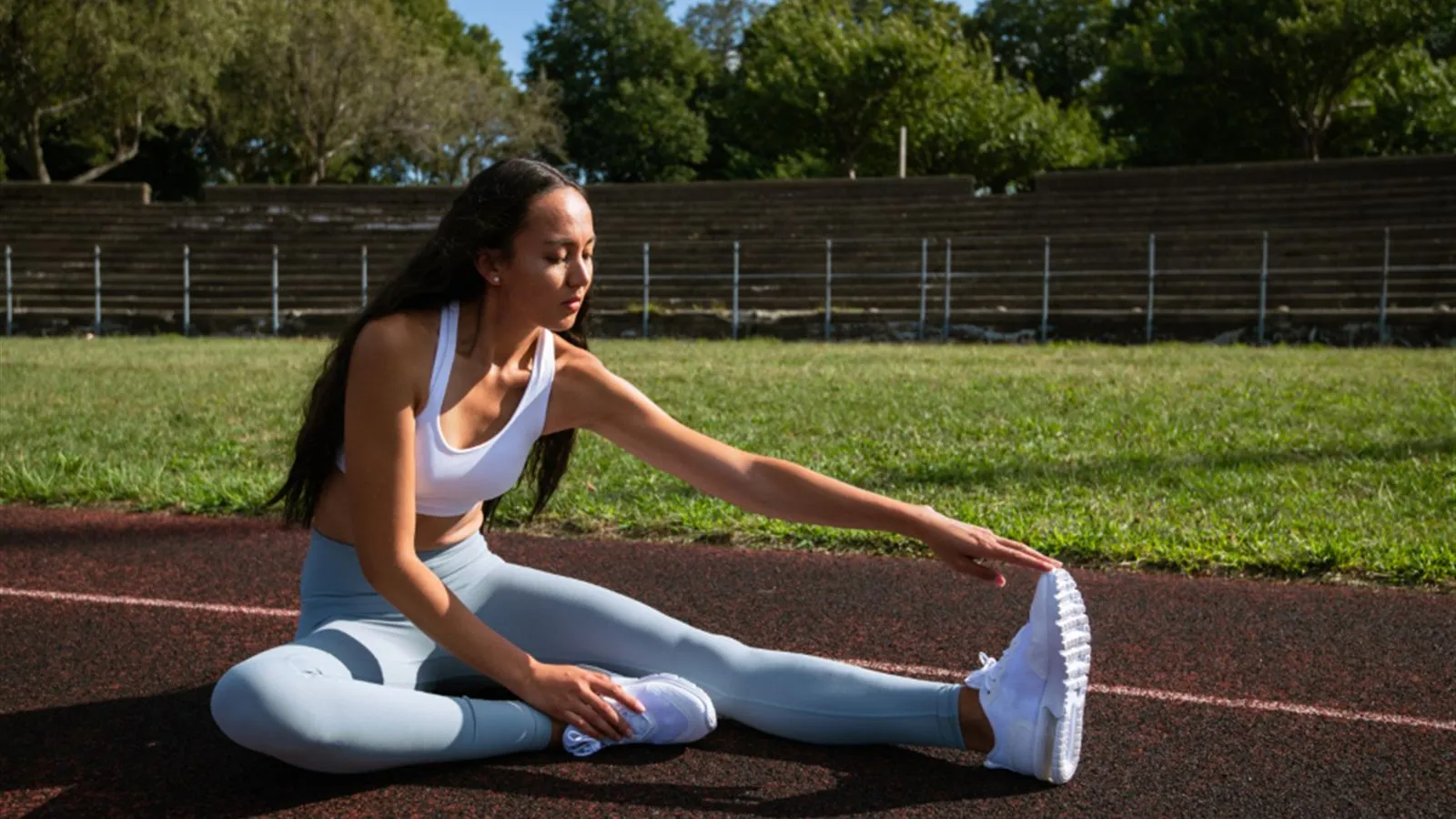
An Injury-Prevention Warm-Up for Young Athletes
A 12-minute warm-up built on movement skills, landing technique and strength — the kind of neuromuscular training recommended in youth sport.
Growth Spurts and Sport: What Parents and Coaches Should Know
Rapid growth can bring clumsiness, aches and a temporary dip in performance. How to adjust training, and when pain needs a doctor.

How Active Should School-Age Kids and Teens Be?
The WHO recommends an average of 60 minutes a day for ages 5–17, plus strengthening three days a week. What counts, and how sport fits in.