Young Athletes
Growth Spurts and Sport: What Parents and Coaches Should Know
October 9, 2026 · 4 min read · Young Athletes
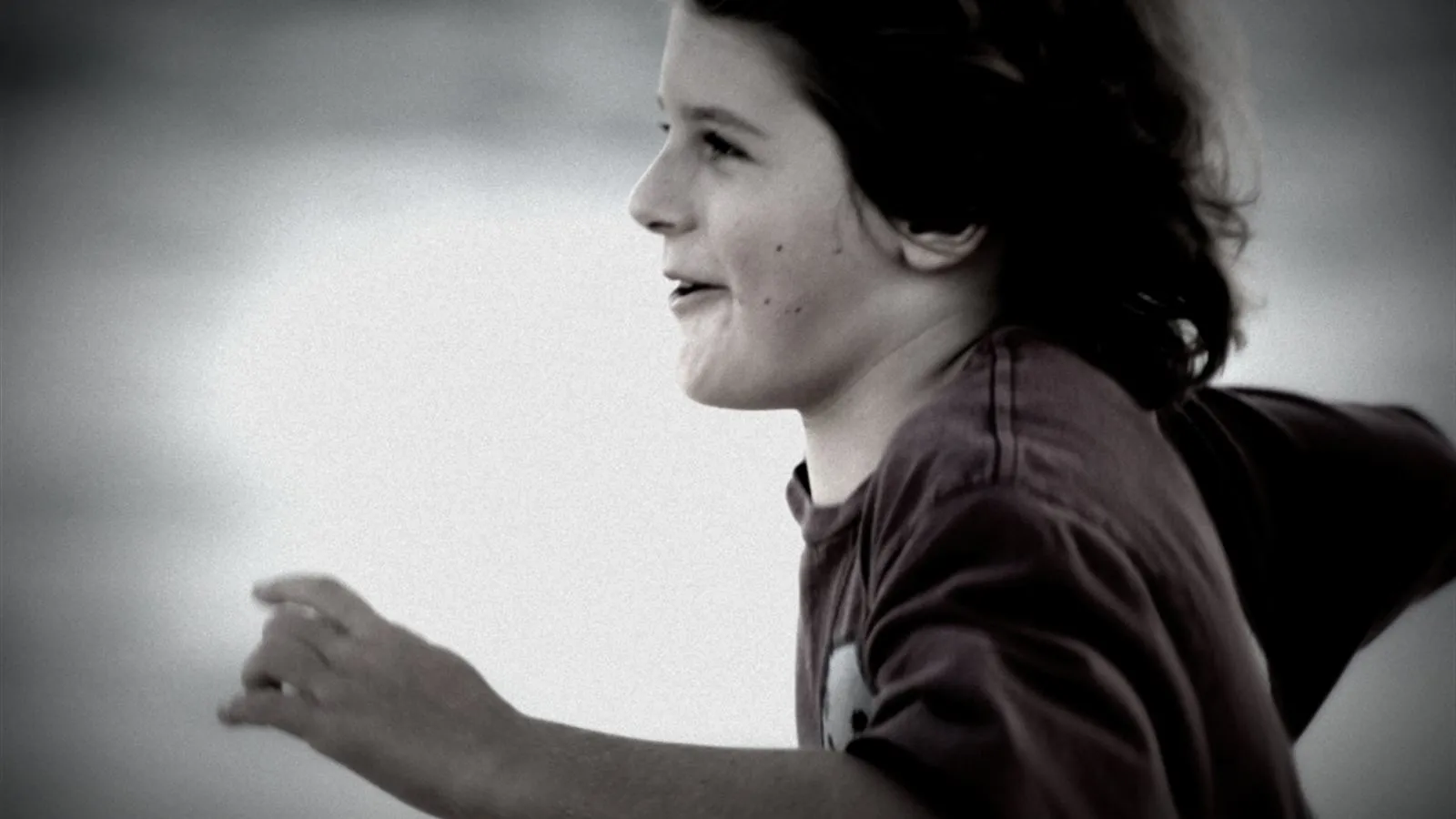
One season your child is flying; the next they seem clumsy, slower and tired, or complain of aching knees or heels. Often the explanation is simple: they’re growing fast. Understanding growth spurts helps you adjust training and avoid unnecessary frustration — or injury.
What happens during a growth spurt
During puberty, children go through a period of rapid growth, often in their early teens (earlier in many girls than boys, but with big individual differences). Bones lengthen quickly, and muscles and tendons need time to catch up. That can mean:
| What you might see | Why |
|---|---|
| Clumsiness, poor coordination | The brain is adjusting to longer limbs |
| Temporary dip in speed or skill | Body proportions are changing |
| Tight muscles | Muscles lag behind bone growth |
| Aches around knees or heels | Growing areas can be sensitive under repeated load |
| Fatigue | Growing takes energy |
The IOC’s consensus on youth athletic development highlights that growth and maturation vary widely between young people of the same age, and that training should be adapted to the individual (Bergeron et al., 2015).
Same age, different stage
Two 13-year-olds in the same team can be several years apart in physical maturity. Early developers may dominate at 12 and fall back later; late developers often catch up. Judging talent too early — or selecting only the biggest children — can push many capable athletes out of sport.
How to adjust training during growth spurts
- Reduce volume and intensity of high-impact work (lots of jumping and sprinting) for a while.
- Keep practising skills — coordination comes back with practice.
- Keep strength training, with lighter loads and a focus on technique. The 2014 International Consensus supports supervised youth resistance training to build strength and movement control (Lloyd et al., 2014).
- Avoid sudden jumps in training — such as extra camps or a second team at the same time.
- Protect rest and sleep.
- Encourage variety — different sports spread the load (Jayanthi et al., 2013).
When pain needs a doctor
Growing bodies can ache, but pain shouldn’t be ignored. See a doctor or sports physiotherapist if:
- Pain is in the same place and keeps coming back after activity
- Pain causes limping or changes how your child moves
- There is swelling, or pain at night or at rest
- Pain follows a fall or impact
- Pain doesn’t settle with a few days of reduced activity
Many growth-related overuse conditions settle well with load management, but they need proper assessment — not “running it off”.
Talking to your child
- Explain what’s happening: “Your body is growing fast. Your skills will come back.”
- Focus on effort and enjoyment, not short-term results.
- Tell coaches if your child is going through a growth spurt.
Tracking growth
Some clubs measure height every few months to spot rapid growth. At home, a simple mark on a door frame every three months does the job.
Adjusting a training week during a growth spurt
| Usual week | During a growth spurt |
|---|---|
| 3 team sessions + match | 2–3 sessions with less jumping and sprinting volume + match |
| Plyometric drills twice a week | Once a week, lower volume, focus on landing quality |
| Strength session | Keep it — lighter loads, technique focus |
| Extra private coaching | Pause or reduce |
Flexibility and mobility
Tight muscles are common during growth spurts. Gentle mobility work after training — hip flexors, hamstrings, calves and quads — can help young athletes feel more comfortable. It doesn’t replace managing load.
Patience pays off
Coordination and performance usually return once growth slows. Late developers in particular often catch up and overtake. Keeping young athletes in sport through this phase — with adjusted expectations — is one of the most valuable things parents and coaches can do.
Questions to ask your doctor or physiotherapist
- Is this pain related to growth or something else?
- How much activity is okay while it settles?
- Are there exercises that will help?
- When should we come back if it doesn’t improve?
FAQ
Should my child stop sport during a growth spurt? Usually not — adjusting training load is better than stopping. Follow medical advice if there’s pain.
Does strength training stunt growth? No. Properly supervised resistance training has not been shown to harm growth (Lloyd et al., 2014).
The bottom line
Growth spurts can bring clumsiness, aches and dips in performance. Adjust training load, keep skills and supervised strength work going, protect rest — and get persistent or worsening pain checked.
Sources
- Bergeron MF et al. (2015). International Olympic Committee consensus statement on youth athletic development. British Journal of Sports Medicine. doi:10.1136/bjsports-2015-094962
- Lloyd RS et al. (2014). Position statement on youth resistance training: the 2014 International Consensus. British Journal of Sports Medicine. doi:10.1136/bjsports-2013-092952
- Jayanthi N et al. (2013). Sports specialization in young athletes: evidence-based recommendations. Sports Health. doi:10.1177/1941738112464626
This article is general education for healthy adults, not medical advice. Check with a qualified professional before starting a new exercise or nutrition plan, especially if you have a medical condition. Full disclaimer.
Keep reading
An Injury-Prevention Warm-Up for Young Athletes
A 12-minute warm-up built on movement skills, landing technique and strength — the kind of neuromuscular training recommended in youth sport.

Fuelling Young Athletes: Meals, Snacks and Match-Day Food
Growing athletes need enough food, not diets. A simple plate model, training-day timing, match-day ideas and warning signs of under-fuelling.
How Active Should School-Age Kids and Teens Be?
The WHO recommends an average of 60 minutes a day for ages 5–17, plus strengthening three days a week. What counts, and how sport fits in.