Young Athletes
Is Strength Training Safe for Kids and Teens?
October 9, 2026 · 4 min read · Young Athletes
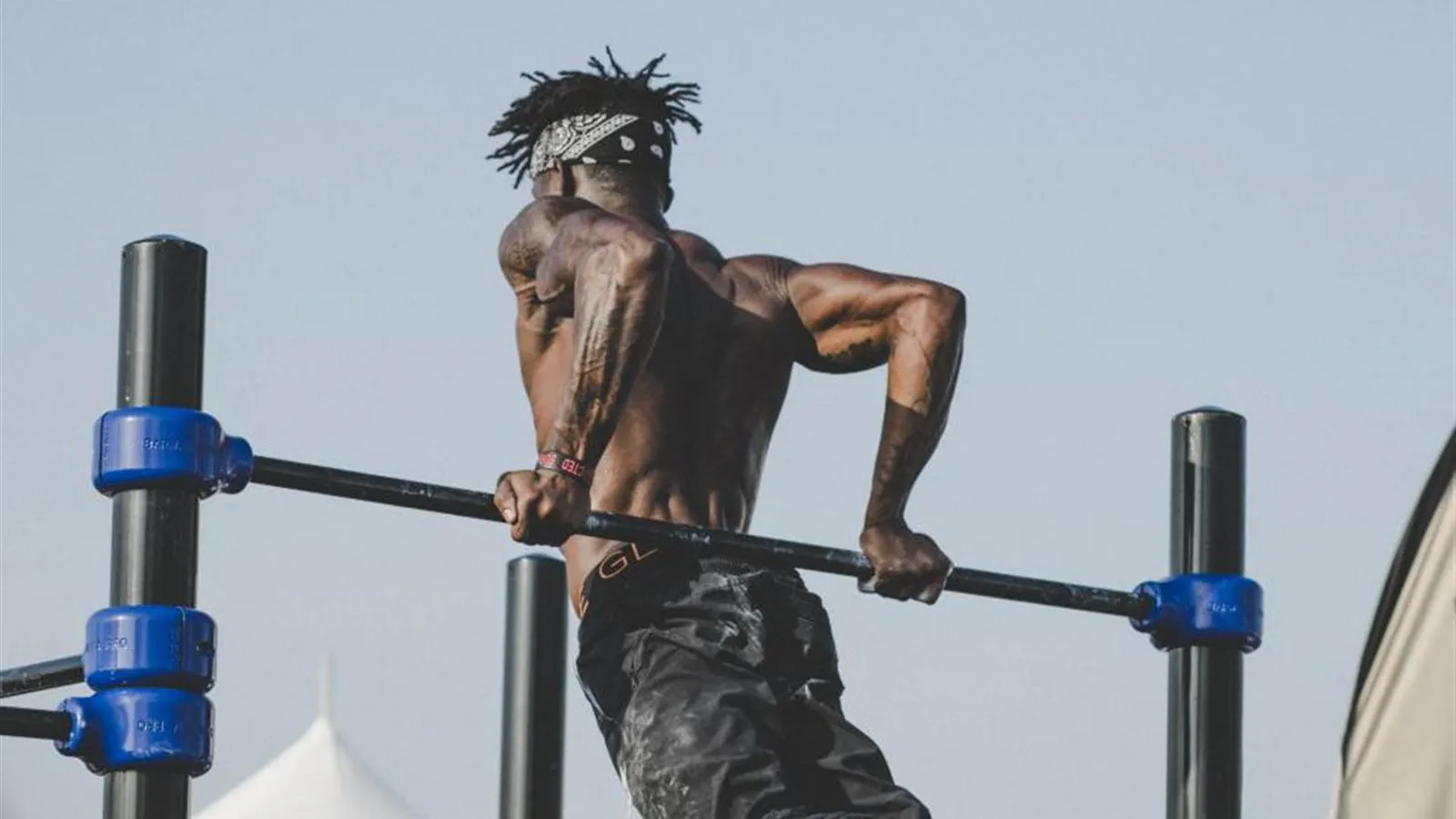
“Lifting weights will stunt their growth” is one of the most persistent myths in youth sport. The research says otherwise: properly supervised strength training is safe and beneficial for children and adolescents — and it may even help protect them from injury.
What the experts say
In 2014, an international group of experts published a consensus statement on youth resistance training (Lloyd et al., 2014). Its key messages:
- Resistance training is safe for young people when it’s properly designed and supervised.
- It can improve strength, power, speed and movement skills, support bone health and help reduce the risk of sports injuries.
- There’s no evidence that appropriately supervised resistance training harms growth plates or stunts growth.
- Children can start when they’re emotionally ready to listen to and follow instructions — often around 7 or 8 years old.
- Qualified supervision and good technique are essential.
The International Olympic Committee’s consensus on youth athletic development also recommends building strength and movement skills as part of a well-rounded athletic foundation (Bergeron et al., 2015).
Why it helps young athletes
| Benefit | What it means on the pitch or court |
|---|---|
| Stronger muscles and tendons | Better able to handle jumping, landing and changes of direction |
| Better movement control | Safer landings, more efficient running |
| Bone strength | Childhood and adolescence are key times for building bone |
| Confidence | Feeling strong carries over into sport and daily life |
The WHO recommends that children and adolescents include muscle- and bone-strengthening activities at least three days a week as part of their 60 minutes of daily activity (Bull et al., 2020).
What good youth strength training looks like
- Technique first: bodyweight and light loads until movements are mastered.
- Qualified supervision: a coach trained in youth strength and conditioning.
- Gradual progression: small increases in load or difficulty when technique is solid.
- 2–3 sessions a week, on non-consecutive days.
- A proper warm-up and a safe training environment.
- Fun and variety — games, challenges and movement skills.
Sample beginner session (ages 10–14)
| Exercise | Sets × reps |
|---|---|
| Bodyweight squat | 2 × 10 |
| Push-up (incline if needed) | 2 × 8 |
| Glute bridge | 2 × 12 |
| Lunge (stationary) | 2 × 6 each leg |
| Plank | 2 × 20 seconds |
| Jump and stick the landing | 2 × 5 |
What about heavy lifting and maxing out?
The consensus supports progression to heavier loads for trained young people with excellent technique and qualified supervision (Lloyd et al., 2014). What it doesn’t support is unsupervised maxing out, poor technique or copying adult bodybuilding programmes.
Red flags
- No warm-up or supervision
- Technique breaking down to lift more weight
- Pain during or after lifting (as opposed to normal muscle tiredness)
- Programmes copied from adult athletes
Progressing safely
| Stage | Focus | Example progressions |
|---|---|---|
| 1 | Learn movement patterns with bodyweight | Squats, lunges, push-ups, bridges, planks |
| 2 | Add light external load | Medicine balls, light dumbbells, resistance bands |
| 3 | Build strength with good technique | Goblet squats, rows, presses with supervision |
| 4 | Advanced (older, trained teens) | Barbell lifts taught by a qualified coach |
Move to the next stage only when technique is consistently good.
Finding a good coach
Look for a coach with a recognised strength and conditioning qualification and experience with young athletes. A good youth coach:
- Prioritises technique over load
- Keeps sessions fun and varied
- Knows how to adapt for growth spurts
- Communicates with parents and sport coaches
How it fits with sport
Two short strength sessions a week (30–45 minutes) can sit alongside team training. On busy weeks, a short strength-and-movement warm-up before training is a great minimum. See our injury-prevention warm-up.
Equipment for home practice
Most youth strength work needs very little equipment: a mat, a resistance band, and perhaps a medicine ball or light dumbbells for older children. Bodyweight exercises done well are the foundation at every age, and they can be practised safely at home between supervised sessions.
FAQ
Will it make my child bulky? Before puberty, strength gains come mostly from the nervous system learning to use muscles better, not from large increases in muscle size.
Can girls do strength training? Absolutely — and it may be especially valuable for injury prevention in many sports.
The bottom line
Supervised, technique-focused strength training is safe and beneficial for children and teens, from around age 7–8. Start with bodyweight, progress gradually, train 2–3 times a week, and make it fun.
Sources
- Lloyd RS et al. (2014). Position statement on youth resistance training: the 2014 International Consensus. British Journal of Sports Medicine. doi:10.1136/bjsports-2013-092952
- Bergeron MF et al. (2015). International Olympic Committee consensus statement on youth athletic development. British Journal of Sports Medicine. doi:10.1136/bjsports-2015-094962
- Bull FC et al. (2020). World Health Organization 2020 guidelines on physical activity and sedentary behaviour. British Journal of Sports Medicine. doi:10.1136/bjsports-2020-102955
This article is general education for healthy adults, not medical advice. Check with a qualified professional before starting a new exercise or nutrition plan, especially if you have a medical condition. Full disclaimer.
Keep reading
An Injury-Prevention Warm-Up for Young Athletes
A 12-minute warm-up built on movement skills, landing technique and strength — the kind of neuromuscular training recommended in youth sport.

Fuelling Young Athletes: Meals, Snacks and Match-Day Food
Growing athletes need enough food, not diets. A simple plate model, training-day timing, match-day ideas and warning signs of under-fuelling.
Growth Spurts and Sport: What Parents and Coaches Should Know
Rapid growth can bring clumsiness, aches and a temporary dip in performance. How to adjust training, and when pain needs a doctor.