Young Athletes
Should Kids Specialise in One Sport Early?
October 9, 2026 · 4 min read · Young Athletes
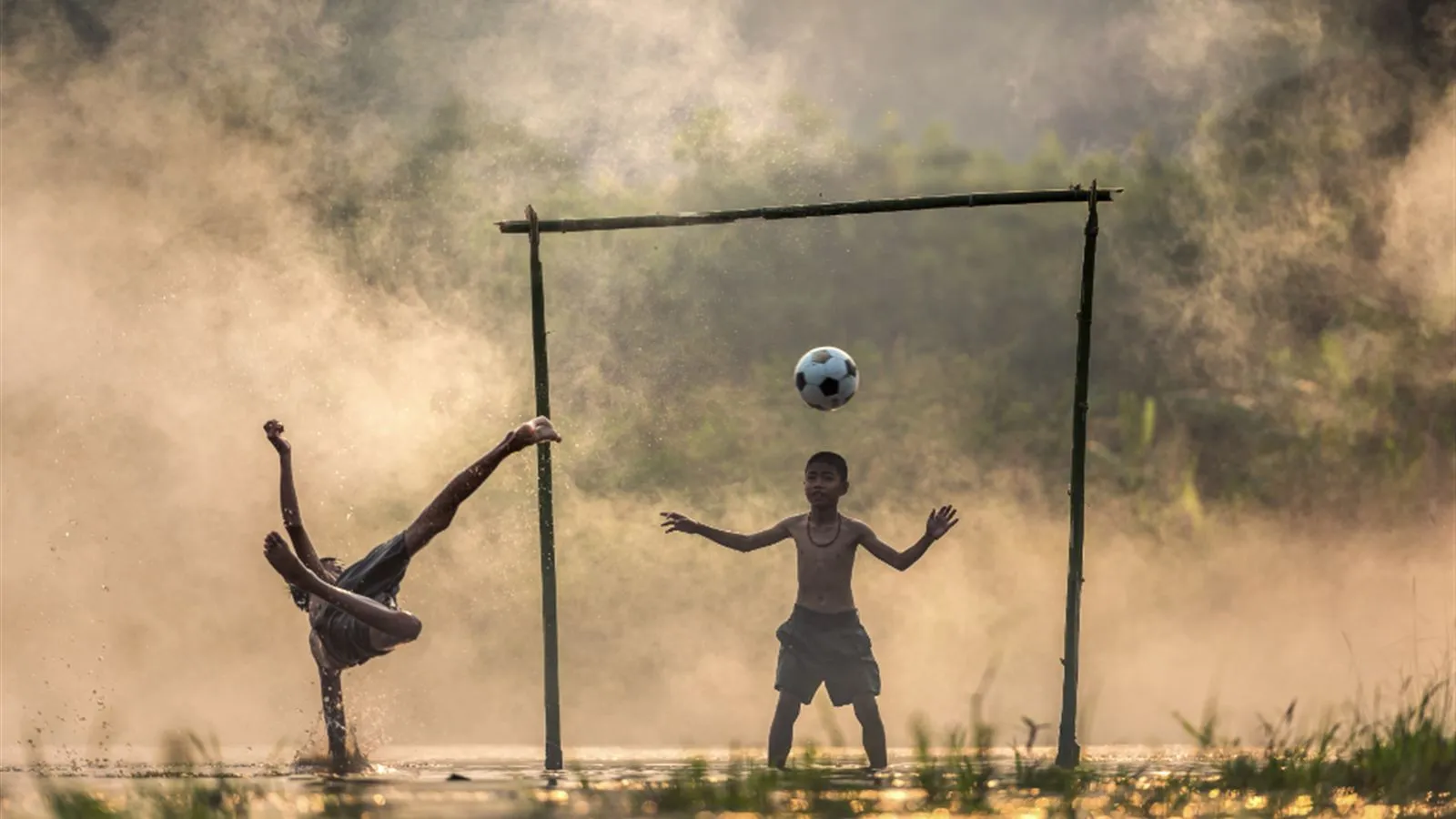
When a child shows talent, it’s tempting to go all in: one sport, year-round, with extra coaching and camps. But for most sports, the evidence suggests that playing many sports while young builds healthier, more resilient athletes — and reduces the risk of overuse injury and burnout.
What the research says
A review of the evidence on sports specialisation by Neeru Jayanthi and colleagues concluded that, for most sports, early specialisation isn’t necessary for elite success and that intense, year-round training in a single sport in young athletes is associated with a higher risk of overuse injuries and burnout (Jayanthi et al., 2013). Their recommendations include multi-sport participation and regular time away from the main sport.
The International Olympic Committee’s consensus statement on youth athletic development similarly encourages sampling a variety of sports and warns against early single-sport specialisation for most young people (Bergeron et al., 2015).
Why sampling helps
| Benefit | Why |
|---|---|
| Broader movement skills | Different sports develop different skills: running, jumping, throwing, balance |
| Fewer overuse injuries | Varied movements spread the load across the body |
| Less burnout | Variety keeps sport fun and fresh |
| Better long-term choices | Children can find the sport they love and suit best |
Many elite athletes played several sports as children before focusing in their teens.
Are there exceptions?
Some sports — such as gymnastics and figure skating — tend to reach peak performance earlier, and athletes often specialise younger. Even then, a balanced approach with rest, variety in training and attention to wellbeing matters.
A balanced year
| Season | Example plan for a 12-year-old |
|---|---|
| Autumn | Football season + one PE-based activity |
| Winter | Swimming or basketball |
| Spring | Athletics or tennis |
| Summer | Holidays, free play, cycling, a camp for fun |
Two or more different sports across the year, plus free play, is a great foundation.
Signs a child may be doing too much of one thing
- Persistent aches or pain in the same area (knees, heels, elbows, shoulders)
- Loss of enthusiasm or dreading training
- Tiredness, poor sleep or falling grades
- Training year-round with no breaks
How parents can help
- Prioritise fun and skill development over results at younger ages.
- Encourage at least one other sport or activity each year.
- Build in rest: regular days off and time away from the main sport each year.
- Talk to coaches about training load and goals.
When specialising makes sense
For most sports, focusing on one sport is more appropriate in mid-to-late adolescence, once the athlete has a broad base of skills, a genuine passion and a structured, well-managed programme.
Talking with coaches about specialisation
Questions to ask if a coach suggests year-round training in one sport:
- What’s the weekly training load, including matches?
- How many rest days and breaks are built in?
- Is my child encouraged to play other sports?
- What’s the long-term development plan?
Free play counts
Unstructured play — kicking a ball in the park, climbing trees, cycling with friends — builds creativity, decision-making and movement skills. Protect some time each week for play that isn’t organised or coached.
Signs your child is ready to focus on one sport
- Genuine, self-driven passion for that sport
- Broad athletic skills from earlier variety
- Mid-to-late adolescence for most sports
- A well-managed programme with rest and recovery
- Still enjoying it
Keep the door open
Even teens who focus on one sport benefit from cross-training — swimming, cycling or strength work — to balance the load on their bodies.
Building an all-round athlete
| Skill | Sports and activities that develop it |
|---|---|
| Running and agility | Football, basketball, tag games |
| Throwing and catching | Cricket, baseball, netball, tennis |
| Balance and body control | Gymnastics, martial arts, dance, skating |
| Endurance | Swimming, cycling, running |
| Strength and power | Climbing, athletics, supervised strength training |
A child who experiences several of these builds a broad base that supports whichever sport they eventually choose.
FAQ
My child only wants to play one sport. Should I force others? No — but encourage free play and other activities, and make sure there’s rest and variety within their training.
Will playing other sports hold them back? For most sports, the evidence suggests the opposite: broad athletic skills support long-term development.
The bottom line
For most young athletes, sample many sports, build broad movement skills and delay specialising until later adolescence. Variety, rest and fun lower the risk of injury and burnout.
Sources
- Jayanthi N et al. (2013). Sports specialization in young athletes: evidence-based recommendations. Sports Health. doi:10.1177/1941738112464626
- Bergeron MF et al. (2015). International Olympic Committee consensus statement on youth athletic development. British Journal of Sports Medicine. doi:10.1136/bjsports-2015-094962
This article is general education for healthy adults, not medical advice. Check with a qualified professional before starting a new exercise or nutrition plan, especially if you have a medical condition. Full disclaimer.
Keep reading
An Injury-Prevention Warm-Up for Young Athletes
A 12-minute warm-up built on movement skills, landing technique and strength — the kind of neuromuscular training recommended in youth sport.

Fuelling Young Athletes: Meals, Snacks and Match-Day Food
Growing athletes need enough food, not diets. A simple plate model, training-day timing, match-day ideas and warning signs of under-fuelling.
Growth Spurts and Sport: What Parents and Coaches Should Know
Rapid growth can bring clumsiness, aches and a temporary dip in performance. How to adjust training, and when pain needs a doctor.