Young Athletes
Sports Drinks and Energy Drinks: What Kids Actually Need
October 9, 2026 · 4 min read · Young Athletes
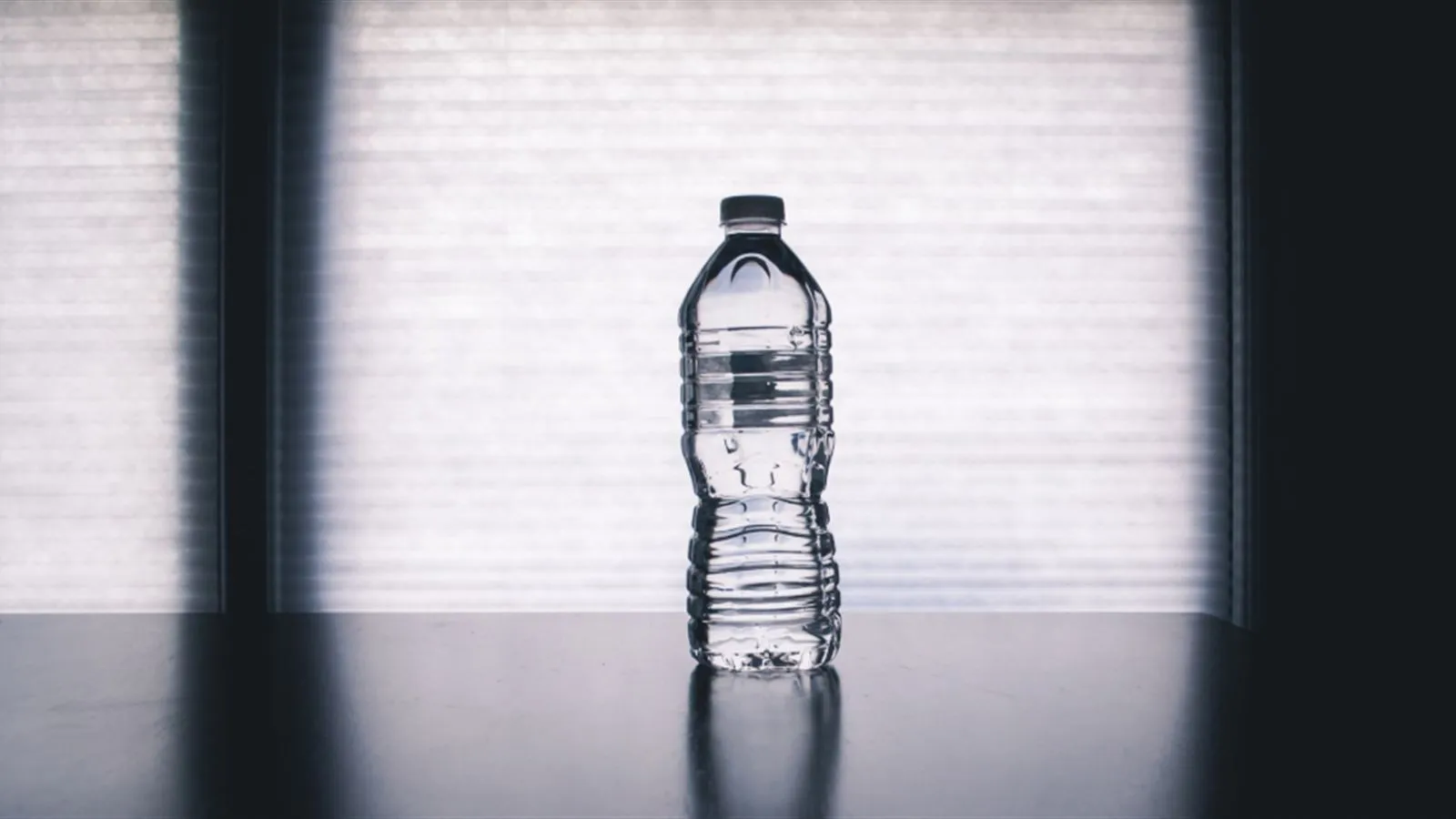
Sports drinks and energy drinks are marketed heavily to young athletes — often with the same bright colours and athlete endorsements. But they’re very different products, and neither is needed by most young people most of the time.
What the experts say
A clinical report from the American Academy of Pediatrics (Schneider & Benjamin, 2011) concluded:
| Drink | Recommendation for children and adolescents |
|---|---|
| Energy drinks (caffeine and other stimulants) | Should not be consumed — they pose potential health risks and have no place in their diet |
| Sports drinks (sugar and electrolytes) | Have a limited role — may help during prolonged, vigorous activity, but water is preferable for routine activity |
| Water | The best choice for hydration during and after most exercise |
Energy drinks: why they’re a problem
Energy drinks contain caffeine and other stimulants, often in large amounts. The AAP report highlighted potential risks for children and teens, including effects on the heart and nervous system, sleep disruption and anxiety (Schneider & Benjamin, 2011). They don’t improve hydration and aren’t a safe performance aid for young athletes.
Sports drinks: when are they useful?
Sports drinks provide fluid, sugar and electrolytes. They can be useful for long, intense sessions — for example, prolonged vigorous exercise in hot conditions or tournaments with several games in a day. For a typical training session or match, water and a normal meal or snack cover a young athlete’s needs.
Regularly drinking sports drinks outside of sport adds extra sugar and calories and can harm teeth. The American Heart Association recommends that children limit sugar-sweetened drinks to no more than about one 8-ounce (240 ml) cup a week (Vos et al., 2017).
A simple hydration plan
| When | What |
|---|---|
| Throughout the day | Water with meals and snacks |
| Before training | A glass of water in the hour before |
| During training | Sips of water every 15–20 minutes, more in the heat |
| After training | Water, plus a snack or meal (e.g. milk, yoghurt, fruit, sandwich) |
| Long tournaments in the heat | Water, plus a sports drink if advised by the coach |
Signs of dehydration
- Thirst, dry mouth
- Dark yellow urine
- Headache, tiredness, dizziness
- Worse performance
Better post-training options
- Milk or flavoured milk (occasionally) — fluid plus protein
- Water and a banana
- Yoghurt and fruit
- A sandwich and water
Talking to your child
Kids see professional athletes with branded drinks. Explain the difference: water for everyday training, sports drinks for long hot sessions, and energy drinks not at all. Pack a water bottle they like.
Reading drink labels
| Check | Look for |
|---|---|
| Caffeine | Any caffeine listed — avoid energy drinks entirely |
| Sugar | Grams per bottle; many contain several teaspoons |
| Serving size | Bottles often contain more than one serving |
| Marketing claims | “Energy”, “boost”, “focus” — usually signals stimulants |
Making water appealing
- A favourite reusable bottle
- Add slices of orange, lemon or cucumber
- Keep bottles cold in the fridge
- Set a team habit: water bottle at every session
Hot weather
In heat, young athletes need more fluid and more frequent breaks. Coaches should schedule drink breaks, and children should arrive well-hydrated. Watch for signs of heat illness — dizziness, headache, confusion, nausea — and stop activity immediately if they appear, moving to shade and seeking medical help if symptoms don’t improve quickly.
What about recovery drinks?
For most young athletes, milk and a normal meal or snack after training are all they need. Expensive recovery products aren’t necessary.
Explaining it to your child
Young athletes see energy drinks advertised by sports stars and gamers. Talk about it openly:
- Energy drinks contain stimulants that can affect the heart and sleep
- They don’t make you fitter or stronger
- Water and good food are what real athletes rely on day to day
- Sports drinks are a tool for long, hard sessions — not an everyday drink
Making water the team norm, with coaches and parents setting the example, helps more than banning drinks outright.
FAQ
What about caffeine in pre-workout supplements? Not recommended for children and adolescents. Talk to a doctor before considering any supplement.
Is coconut water a good alternative? It provides fluid and some electrolytes, but water is still the best everyday choice.
The bottom line
Water is the best drink for most young athletes. Sports drinks are for long, intense sessions only. Energy drinks should be avoided completely.
Sources
- Schneider MB, Benjamin HJ, Committee on Nutrition and Council on Sports Medicine and Fitness (2011). Sports drinks and energy drinks for children and adolescents: are they appropriate? Pediatrics. doi:10.1542/peds.2011-0965
- Vos MB et al. (2017). Added sugars and cardiovascular disease risk in children: a scientific statement from the American Heart Association. Circulation. doi:10.1161/CIR.0000000000000439
This article is general education for healthy adults, not medical advice. Check with a qualified professional before starting a new exercise or nutrition plan, especially if you have a medical condition. Full disclaimer.
Keep reading

An Injury-Prevention Warm-Up for Young Athletes
A 12-minute warm-up built on movement skills, landing technique and strength — the kind of neuromuscular training recommended in youth sport.

Fuelling Young Athletes: Meals, Snacks and Match-Day Food
Growing athletes need enough food, not diets. A simple plate model, training-day timing, match-day ideas and warning signs of under-fuelling.

Growth Spurts and Sport: What Parents and Coaches Should Know
Rapid growth can bring clumsiness, aches and a temporary dip in performance. How to adjust training, and when pain needs a doctor.