Young Athletes
The Parent's Role in Youth Sport: Support Without Pressure
October 9, 2026 · 3 min read · Young Athletes

Parents are the biggest influence on a child’s experience of sport. The right support helps children stay active, confident and motivated for life. Too much pressure — however well-meant — is one of the most common reasons young people quit.
Why it matters
The IOC’s consensus on youth athletic development emphasises developing healthy, capable and resilient young athletes, with attention to psychological wellbeing and enjoyment as well as performance (Bergeron et al., 2015). Reviews on youth sport also link intense, single-sport pressure at a young age with higher risks of burnout and dropout (Jayanthi et al., 2013).
What children say they want
Children commonly say they play sport to have fun, be with friends, learn skills and feel good at something — winning usually comes lower on the list. Keeping those reasons alive keeps them playing.
Before, during and after games
| When | Helpful | Less helpful |
|---|---|---|
| Before | “Have fun, I love watching you play” | Detailed tactical instructions |
| During | Cheering effort and the team | Coaching from the sidelines, criticising referees |
| After | “Did you enjoy it?” “What was your favourite moment?” | Immediate analysis of mistakes in the car |
Many children prefer to talk about the game later, once emotions have settled — let them lead.
Signs of too much pressure or burnout
- Loss of enthusiasm, reluctance to go to training
- Anxiety before games, stomach aches
- Irritability, tiredness, poor sleep
- Saying they want to quit
- Persistent aches and pains
If you see these, talk with your child, reduce the load, and check in with their coach. Persistent physical or emotional symptoms deserve a conversation with your doctor.
Working with coaches
- Share important information — growth spurts, school pressures, health issues.
- Ask about training load and rest days.
- Raise concerns privately, not on the sideline.
- Support the coach’s role — avoid giving contradictory instructions.
Encourage variety and free play
Sampling several sports and plenty of unstructured play build broader skills and reduce overuse injuries and burnout (Jayanthi et al., 2013). See should kids specialise early?
Your behaviour matters
- Model a positive attitude to referees, opponents and teammates.
- Be active yourself — children copy what they see.
- Value effort, improvement and teamwork over results.
- Keep perspective: very few young athletes become professionals; nearly all can enjoy sport for life.
Helping with setbacks
Losses, non-selection and injuries are part of sport. Listen, acknowledge the disappointment, and help your child focus on what they can control: effort, practice, attitude.
The car ride home
Many young athletes say the car ride after a game is the hardest part. Try:
- Waiting for them to bring up the game
- Saying “I loved watching you play”
- Talking about something else if they want to
- Saving feedback for another day, if at all
Supporting different personalities
| Your child is… | Try |
|---|---|
| Highly competitive | Help them focus on effort and learning, not just winning |
| Anxious | Normalise nerves; practise a simple pre-game routine |
| Not very confident | Celebrate small improvements |
| Losing interest | Explore other sports or activities without judgement |
Balancing sport with school and family
Sport is one part of a child’s life. Make sure there’s time for school work, friends, family and rest. If the schedule is squeezing these out, it may be time to reduce commitments.
When your child wants to quit
Listen carefully to the reasons: is it the sport, the team, the coach, the time commitment, or something else? A different team, sport or level can reignite enjoyment. The long-term goal is a child who stays active for life.
FAQ
Should I push my child to keep going when they want to quit? Find out why first. Sometimes a break, a different sport or a different team is the answer. Encouraging commitment to the end of a season can be reasonable, but forcing sport rarely creates lifelong enjoyment.
How do I talk about performance without pressure? Ask questions rather than give verdicts: “What do you want to work on?” “What did the coach say?”
The bottom line
Support, don’t pressure. Keep sport fun, praise effort, let children lead the post-game chat, encourage variety and rest, and work with coaches. Kids who enjoy sport stay active for life.
Sources
- Bergeron MF et al. (2015). International Olympic Committee consensus statement on youth athletic development. British Journal of Sports Medicine. doi:10.1136/bjsports-2015-094962
- Jayanthi N et al. (2013). Sports specialization in young athletes: evidence-based recommendations. Sports Health. doi:10.1177/1941738112464626
This article is general education for healthy adults, not medical advice. Check with a qualified professional before starting a new exercise or nutrition plan, especially if you have a medical condition. Full disclaimer.
Keep reading
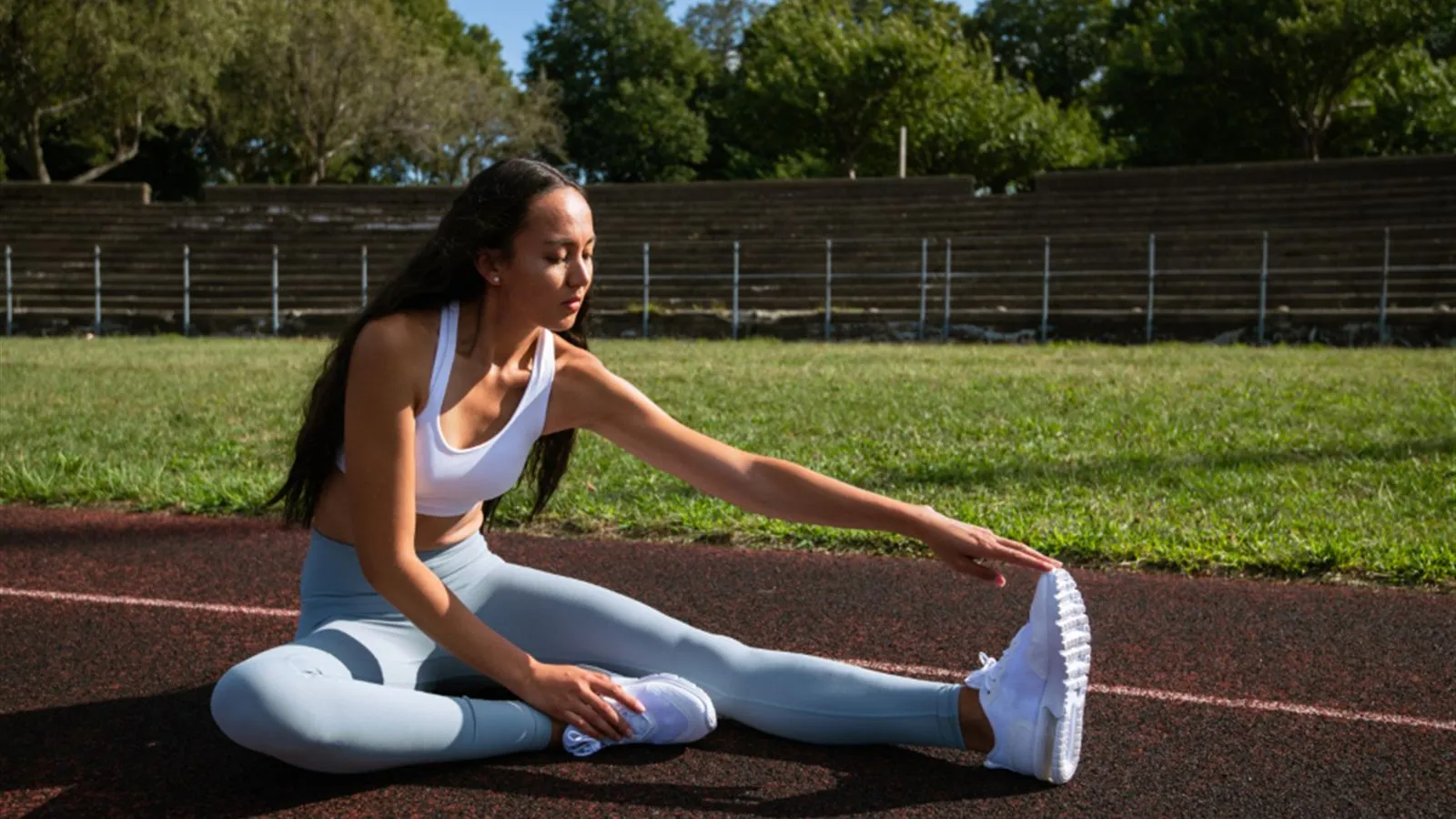
An Injury-Prevention Warm-Up for Young Athletes
A 12-minute warm-up built on movement skills, landing technique and strength — the kind of neuromuscular training recommended in youth sport.

Fuelling Young Athletes: Meals, Snacks and Match-Day Food
Growing athletes need enough food, not diets. A simple plate model, training-day timing, match-day ideas and warning signs of under-fuelling.
Growth Spurts and Sport: What Parents and Coaches Should Know
Rapid growth can bring clumsiness, aches and a temporary dip in performance. How to adjust training, and when pain needs a doctor.