Little Ones
Toddler Snacks: Simple, Healthy and Safe
October 9, 2026 · 4 min read · Kids & Family
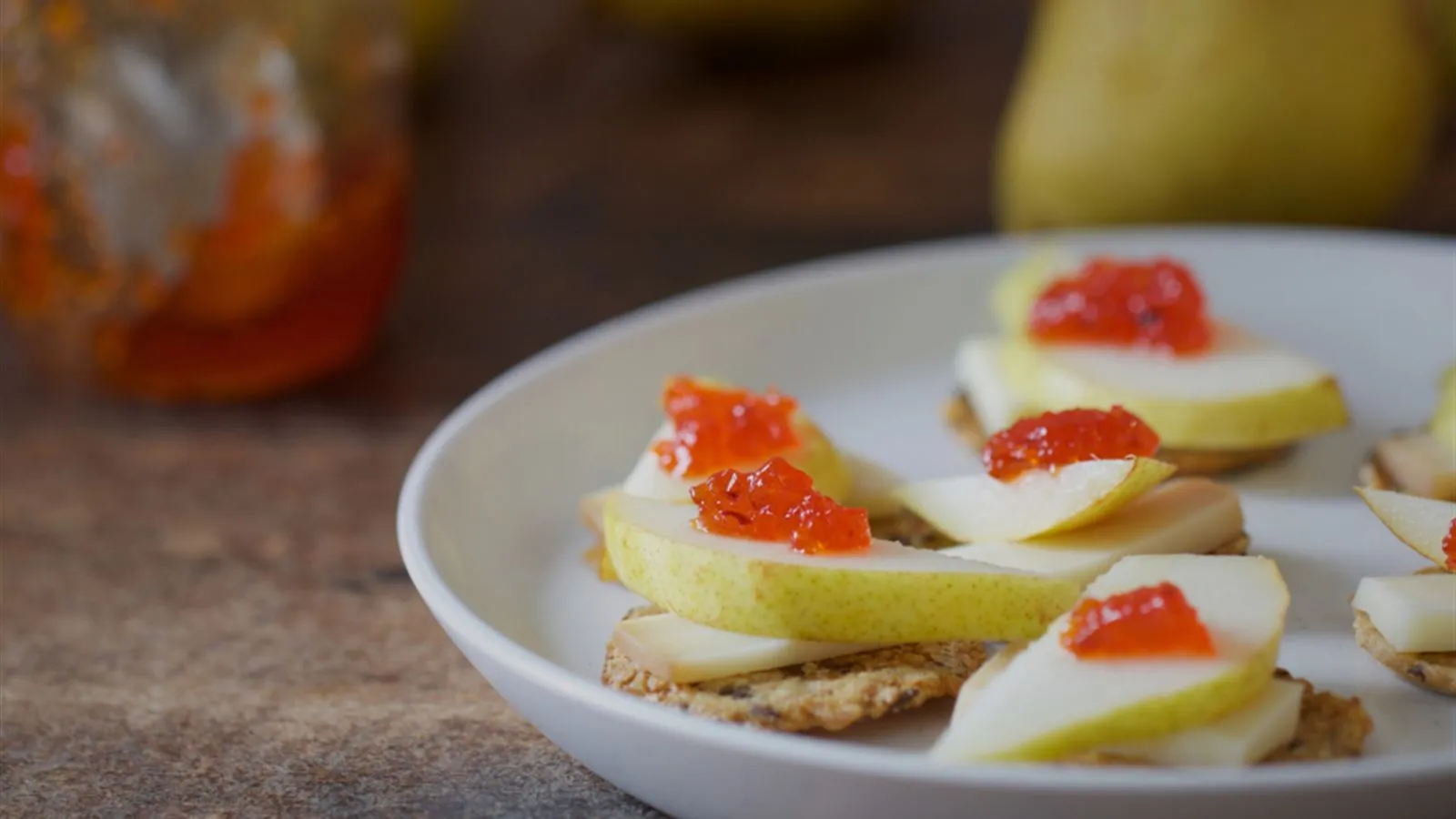
Small stomachs mean toddlers and preschoolers usually need two or three snacks a day alongside their meals. Snacks are a great chance to add fruit, vegetables and protein — as long as they’re planned, simple and safe.
Safety first: reduce choking risk
Children under 5 are at the highest risk of choking because their airways are small and their chewing skills are still developing. Child-safety and health authorities recommend:
| Food | Prepare it like this |
|---|---|
| Grapes, cherry tomatoes, blueberries (large) | Cut lengthwise into quarters |
| Cherries, olives | Remove stones, then quarter |
| Raw carrot, apple, hard vegetables | Grate, cook until soft, or cut into thin strips |
| Sausages, hot dogs | Cut lengthwise into thin strips, then small pieces |
| Whole nuts and peanuts | Not for under-5s — use smooth nut butter spread thinly, or ground nuts |
| Popcorn, hard sweets, marshmallows | Avoid for under-5s |
| Cheese | Grate or cut into thin strips, not cubes |
Always seat children upright for snacks, stay with them while they eat, and never let them eat while walking, running or in the car without supervision.
20 snack ideas
Fruit and vegetables
- Banana slices
- Quartered grapes or berries
- Thin apple or pear slices (soft varieties, or lightly steamed for younger toddlers)
- Cucumber and pepper strips with hummus
- Steamed carrot or sweet potato sticks
- Mandarin segments (pith removed)
- Mashed avocado on toast fingers
Dairy and protein
- Plain yoghurt with mashed fruit
- Grated or thinly sliced cheese with crackers
- Hard-boiled egg, chopped
- Cottage cheese with fruit
- Thinly spread smooth peanut butter on toast (if no allergy)
- Hummus with soft pitta strips
Grains
- Rice cakes with a thin spread
- Plain oat cakes
- Small portion of plain wholegrain cereal with milk
- Homemade banana and oat muffins
- Mini pancakes with fruit
Simple combos
- Toast fingers with egg
- A “snack plate”: a few crackers, cheese strips, cucumber and quartered grapes
Watch the added sugar
Many snacks marketed to toddlers are high in added sugar. The American Heart Association recommends no added sugar under 2, and less than 25 g a day for children aged 2 and over (Vos et al., 2017). Fruit-flavoured yoghurts, cereal bars and biscuits can add up fast — see added sugar and under-5s.
Snack timing
- Plan snacks about 2–3 hours after meals and at least 1–1½ hours before the next one, so children still come to meals hungry.
- Offer water as the main drink between meals.
- Avoid constant grazing, which can blunt appetite at mealtimes.
Snacks are a great time to try new foods
A trial with 2–6-year-olds found that offering a small taste of a disliked vegetable every day for two weeks increased how much children liked and ate it (Wardle et al., 2003). Add one tiny piece of a “new” vegetable to a snack plate each day — no pressure.
Allergies
If your child has a food allergy, or you’re unsure about introducing common allergens, follow the advice of your child’s doctor.
Sample snack plans
| Age | Morning snack | Afternoon snack |
|---|---|---|
| 1–2 | Banana slices + plain yoghurt | Toast fingers with a thin spread + soft-cooked carrot sticks |
| 2–3 | Quartered grapes + cheese strips | Hummus with soft pitta strips and cucumber |
| 3–5 | Apple slices (thin) + crackers | Hard-boiled egg + cherry tomatoes (quartered) |
Snacks on the go
Pack a small box for outings:
- Rice cakes or plain oat cakes
- Banana (easy to peel and soft)
- Cheese strips
- A pot of plain yoghurt in a cool bag
- Water in a cup they can manage
Avoid the “snack trap”
Children who graze all day often eat less at meals and can become fussier. Keep snacks at set times, offer them sitting down, and if your child refuses dinner, offer the next snack or meal at the usual time rather than something special.
Try a “snack plate” of small tastes
A plate with three or four small foods — one familiar, one fruit, one vegetable, one protein — is a gentle way to keep offering variety. Including a tiny piece of a less-liked vegetable each day helps children get used to it (Wardle et al., 2003).
FAQ
How big should a snack be? Small — about half a typical meal portion or less. Toddlers’ appetites vary a lot from day to day.
My child only wants crackers. Pair a favourite with something new or a fruit or vegetable, and keep offering without pressure.
The bottom line
Plan two or three small snacks a day, built around fruit, vegetables, dairy and protein. Cut foods safely — grapes quartered lengthwise, hard foods grated or cooked, no whole nuts — and keep added sugar low.
Sources
- Vos MB et al. (2017). Added sugars and cardiovascular disease risk in children: a scientific statement from the American Heart Association. Circulation. doi:10.1161/CIR.0000000000000439
- Wardle J, Cooke LJ, Gibson EL et al. (2003). Increasing children’s acceptance of vegetables; a randomized trial of parent-led exposure. Appetite. doi:10.1016/S0195-6663(02)00135-6
This article is general education for healthy adults, not medical advice. Check with a qualified professional before starting a new exercise or nutrition plan, especially if you have a medical condition. Full disclaimer.
Keep reading

A Bedtime Routine for Toddlers That Actually Works
A study of more than 10,000 families found a consistent bedtime routine was linked to better sleep — and more nights meant better results. Here's a simple one.
How Much Sleep Do Toddlers and Preschoolers Need?
Recommended hours from the American Academy of Sleep Medicine, sample schedules with naps, and signs your child isn't getting enough.
Added Sugar and Under-5s: The Simple Rules
The American Heart Association recommends no added sugar under 2 and under 25 g a day from age 2. What that means in real food.