Little Ones
Added Sugar and Under-5s: The Simple Rules
October 6, 2026 · 4 min read · Kids & Family
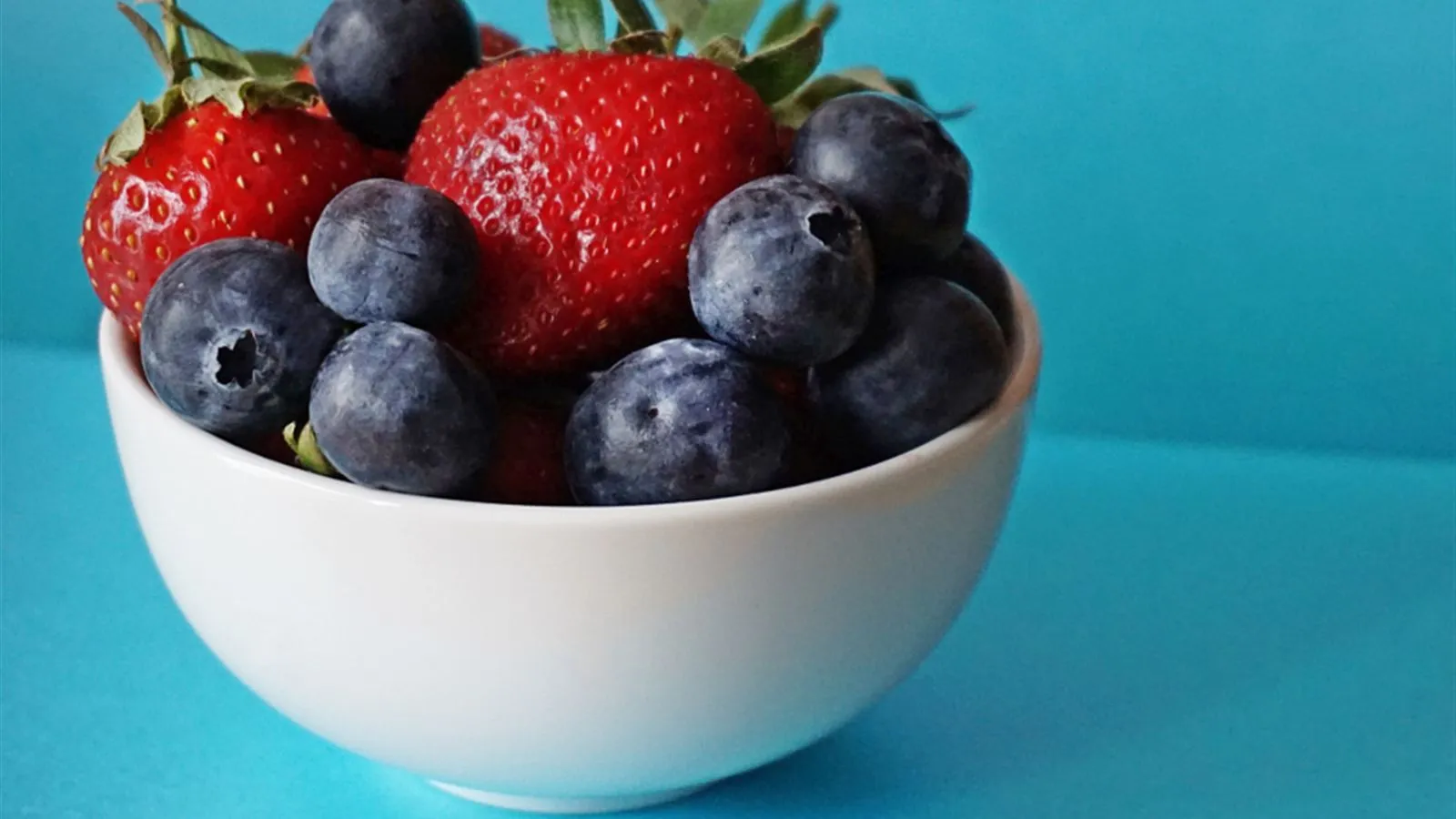
Children are born liking sweet tastes, and sugar is in a surprising number of foods marketed to families. A few simple rules make it much easier to keep added sugar in check without banning treats.
The recommendations
In 2017, the American Heart Association published a scientific statement on added sugars and heart health in children (Vos et al., 2017):
Vos et al., 2017
Added sugars are sugars and syrups added during processing or cooking, plus honey and syrups. The natural sugars in whole fruit and plain milk don’t count towards the limit.
Where added sugar hides
| Food | Typical added sugar |
|---|---|
| Fruit-flavoured yoghurt pot | Often 5–10 g |
| Sweetened breakfast cereal (small bowl) | Often 5–10 g |
| Cereal or “fruit” bar | Often 5–15 g |
| Flavoured milk (small carton) | Often 10–15 g |
| Fruit juice drink or squash | Varies widely — check the label |
| Ketchup (1 tbsp) | Around 3–4 g |
Typical ranges — always check the label on your brand.
A single flavoured yoghurt and a cereal bar can use up most of a 3-year-old’s daily allowance.
Simple swaps
| Instead of… | Try… |
|---|---|
| Flavoured yoghurt | Plain yoghurt with mashed banana or berries |
| Sweetened cereal | Porridge or plain wholegrain cereal with fruit |
| Juice or squash | Water and plain milk |
| Biscuits as a snack | Fruit, cheese and crackers, vegetable sticks with hummus |
| Shop-bought muffins | Homemade banana oat muffins with less sugar |
Drinks matter most
Sugary drinks are one of the biggest sources of added sugar for children. The AHA recommends children drink no more than one 8-ounce (about 240 ml) cup of sugar-sweetened beverages a week (Vos et al., 2017). Make water and plain milk the everyday drinks. Fruit juice still counts as free sugar in many guidelines — if you offer it, keep it small and with a meal.
Reading labels
- Look for “added sugars” on US-style labels.
- Elsewhere, check the ingredients list: sugar, glucose syrup, dextrose, honey, fruit juice concentrate and syrups are all added sugars.
- Ingredients are listed in order of weight — sugar near the top means a lot of it.
Treats without stress
The goal isn’t zero treats — it’s keeping them as treats. Birthday cake at a party, an ice cream at the beach: enjoy them. Try not to use sweets as rewards or bribes, which can make them seem even more special.
Eating together helps too: children who share regular family meals tend to eat more healthy foods and fewer unhealthy ones (Hammons & Fiese, 2011).
Teeth
Added sugar is also a major cause of tooth decay. Brush twice a day with a fluoride toothpaste suitable for your child’s age, and follow your dentist’s advice.
A no-added-sugar day for a 3-year-old
| Meal | Example |
|---|---|
| Breakfast | Porridge made with milk, with mashed banana |
| Snack | Plain yoghurt with berries |
| Lunch | Wholegrain toast fingers with hummus, cucumber sticks and cheese |
| Snack | Apple slices (thin) and a few crackers |
| Dinner | Homemade bolognese with pasta and peas |
| Drinks | Water and plain milk |
Every sweet taste here comes from whole fruit or milk — no added sugar at all.
How to read “of which sugars”
On many food labels, “of which sugars” includes both natural sugars (from fruit or milk) and added sugars. Check the ingredients list: if sugar, syrup, honey or fruit juice concentrate appears near the top, much of the sugar is added. US-style labels list added sugars separately, which makes it easier.
Parties, grandparents and nursery
- Parties: enjoy the cake — it’s a treat, not every day.
- Grandparents: share the “water and milk” rule and suggest fruit-based treats.
- Nursery: ask about snacks and drinks; most follow healthy-eating guidance already.
Sugar and family meals
Shared family meals are linked to healthier eating patterns in children (Hammons & Fiese, 2011). When the whole family eats the same food and drinks water with meals, sugary extras become less of a habit for everyone.
FAQ
Is fruit too sugary? No. Whole fruit comes with fibre, water and vitamins, and isn’t counted as added sugar.
What about honey or “natural” syrups? They count as added sugar. Honey must never be given to babies under 1.
The bottom line
No added sugar under 2, under 25 g (about 6 teaspoons) a day from age 2, and water and milk as everyday drinks. Read labels on yoghurts, cereals and bars, and keep treats as treats.
Sources
- Vos MB et al. (2017). Added sugars and cardiovascular disease risk in children: a scientific statement from the American Heart Association. Circulation. doi:10.1161/CIR.0000000000000439
- Hammons AJ, Fiese BH (2011). Is frequency of shared family meals related to the nutritional health of children and adolescents? Pediatrics. doi:10.1542/peds.2010-1440
This article is general education for healthy adults, not medical advice. Check with a qualified professional before starting a new exercise or nutrition plan, especially if you have a medical condition. Full disclaimer.
Keep reading
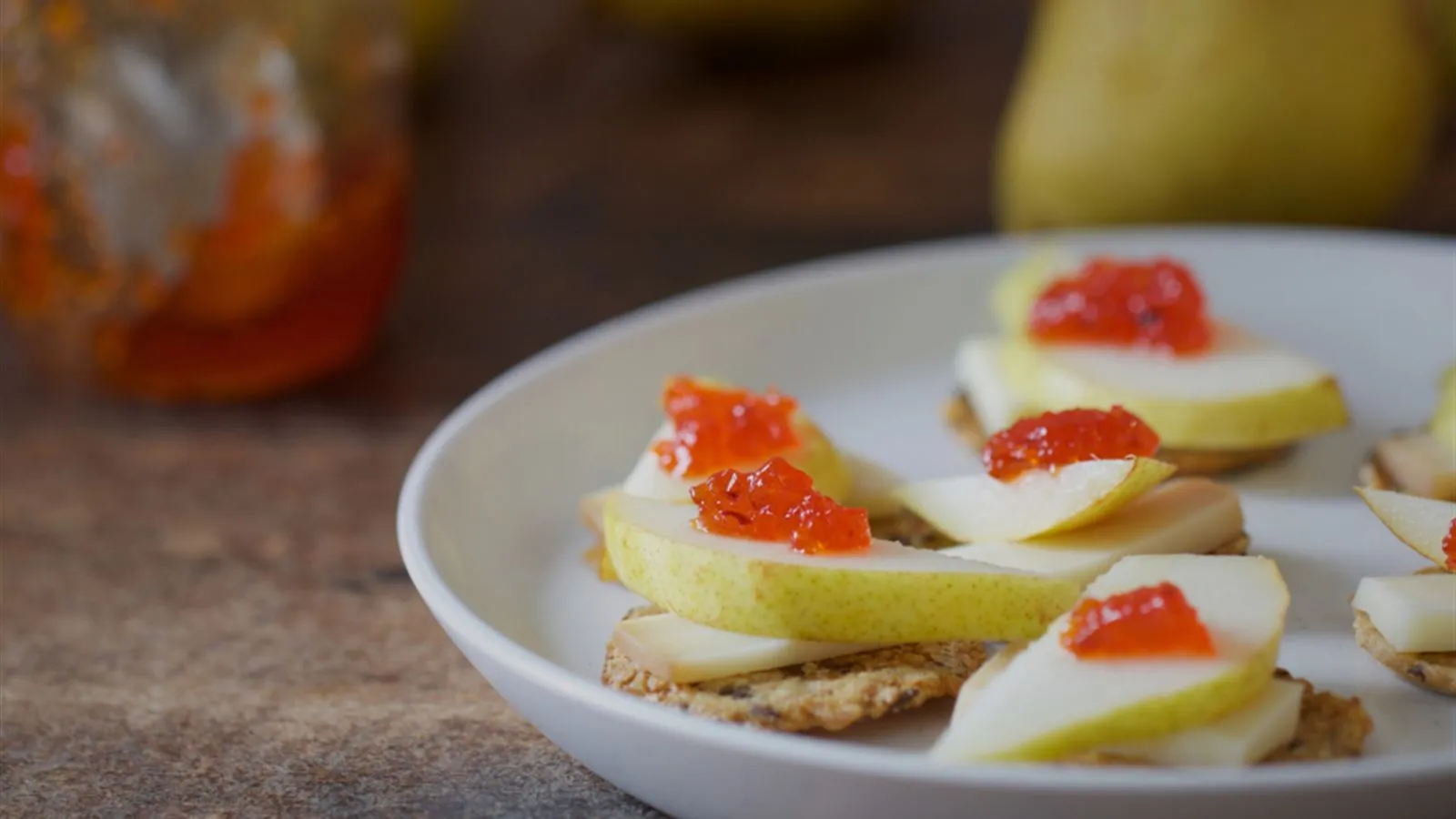
Toddler Snacks: Simple, Healthy and Safe
Twenty snack ideas for ages 1–5, how to prepare them to reduce choking risk, and how to stop snacks from spoiling meals.

A Bedtime Routine for Toddlers That Actually Works
A study of more than 10,000 families found a consistent bedtime routine was linked to better sleep — and more nights meant better results. Here's a simple one.
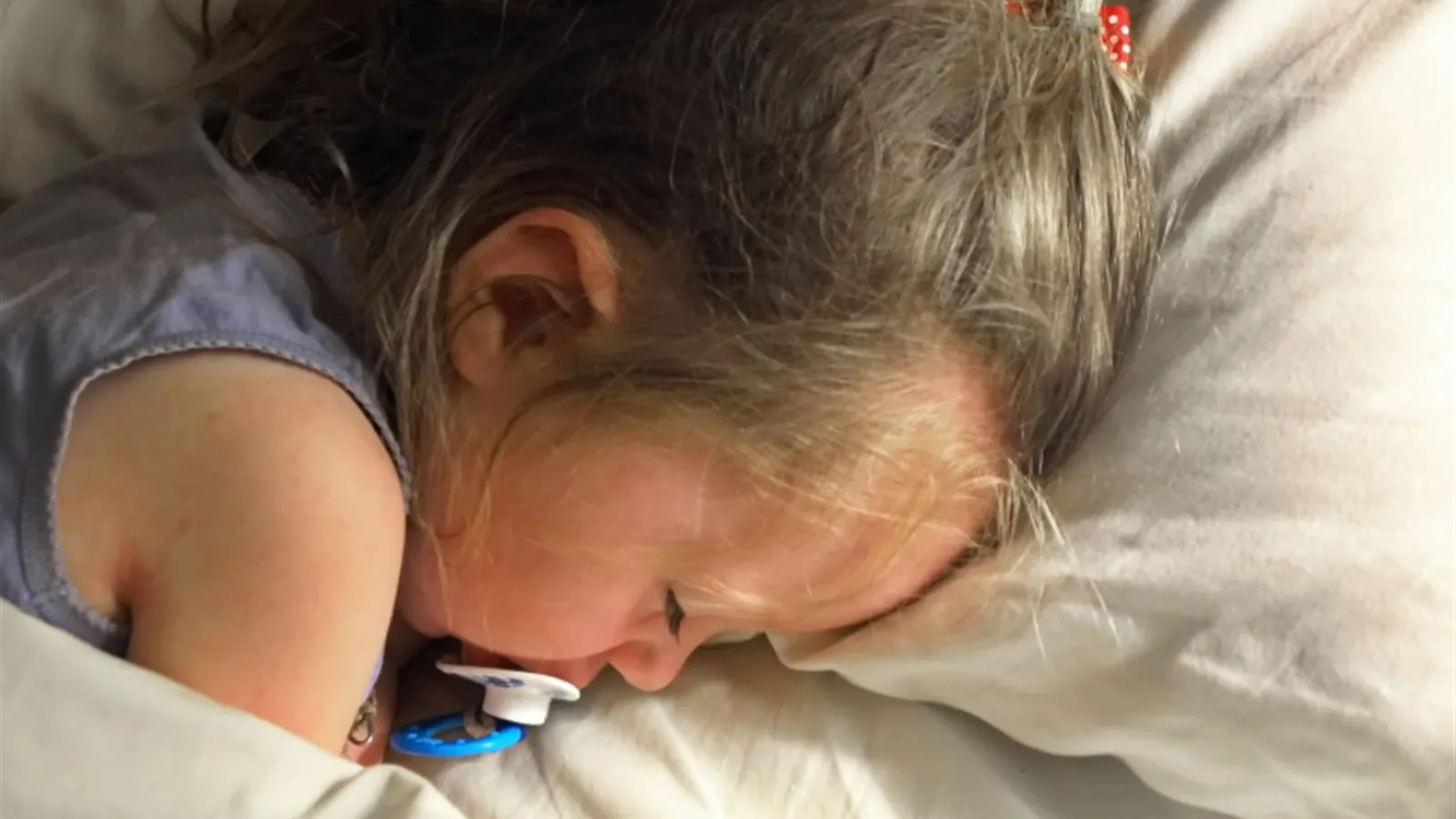
How Much Sleep Do Toddlers and Preschoolers Need?
Recommended hours from the American Academy of Sleep Medicine, sample schedules with naps, and signs your child isn't getting enough.