Little Ones
15 Indoor Active Games for Rainy Days (Ages 1–5)
October 4, 2026 · 4 min read · Kids & Family
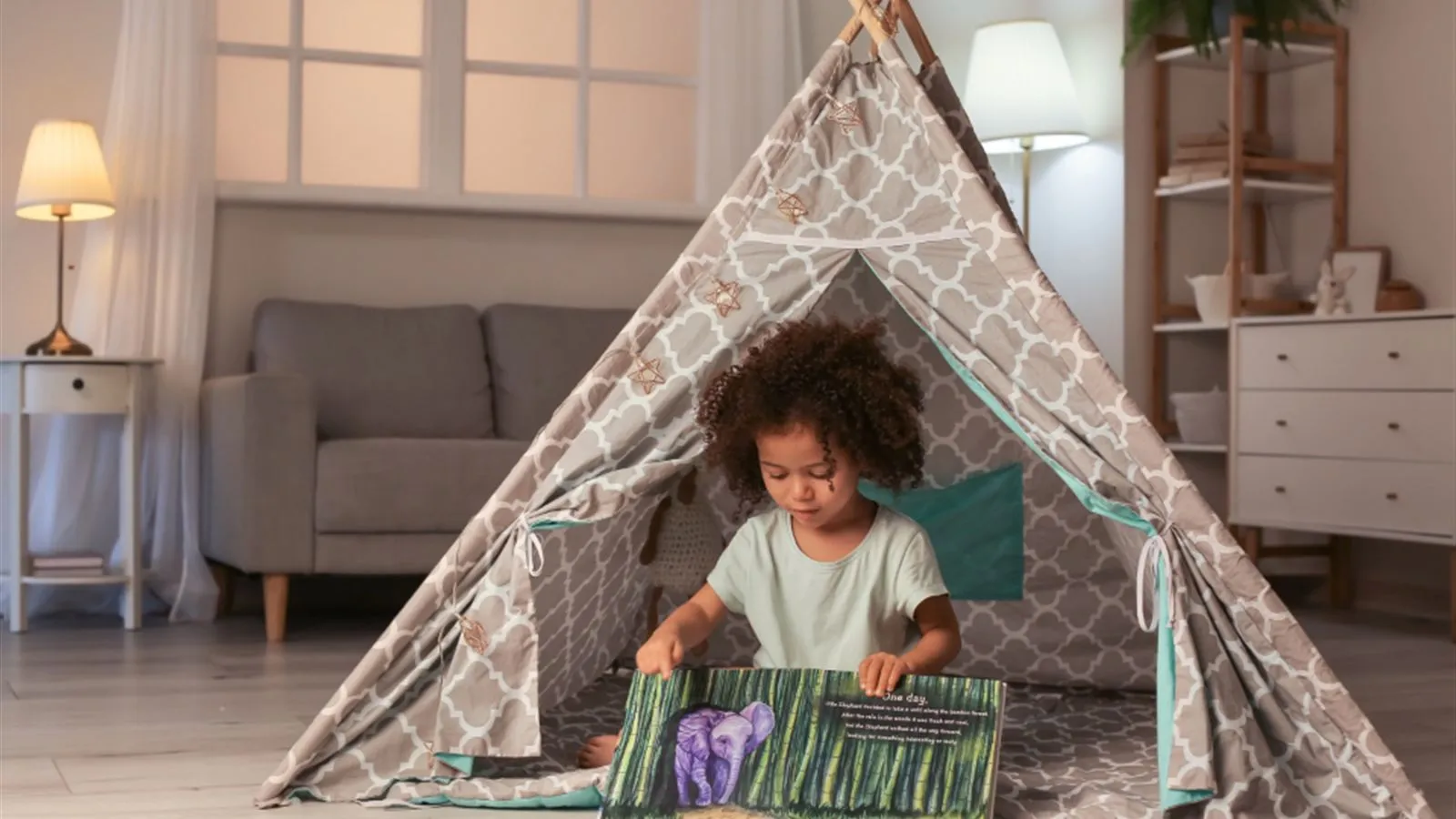
Rainy weeks, cold winters and small apartments can make it hard to get little ones moving. But movement doesn’t need a park. The early-years guidelines recommend at least three hours of activity a day for toddlers and preschoolers, and at least an hour of energetic play for 3–4-year-olds (Tremblay et al., 2017). Here are 15 games that work indoors.
Before you start: make a safe space
- Move sharp-edged furniture or pad corners.
- Clear the floor of small objects.
- Use cushions and duvets for soft landings.
- Socks off on smooth floors — bare feet grip better.
- Always supervise climbing and jumping.
The games
| # | Game | Age | What you need | How to play |
|---|---|---|---|---|
| 1 | Animal moves | 1–5 | Nothing | Waddle like a penguin, hop like a frog, stomp like an elephant, slither like a snake |
| 2 | Cushion island | 2–5 | Cushions | Jump from cushion to cushion without touching the “sea” (floor) |
| 3 | Freeze dance | 1–5 | Music | Dance; freeze when the music stops |
| 4 | Tunnel crawl | 1–4 | Chairs and a blanket | Crawl through a blanket tunnel; add a “treasure” at the end |
| 5 | Balloon keepy-up | 2–5 | A balloon | Keep it off the floor with hands, heads or feet |
| 6 | Obstacle course | 2–5 | Cushions, boxes, tape | Over, under, around and through — let them design the next one |
| 7 | Sock basketball | 2–5 | Rolled socks, a laundry basket | Throw from different distances |
| 8 | Follow the leader | 2–5 | Nothing | Take turns leading: marching, tiptoeing, spinning, jumping |
| 9 | Tape lines | 2–5 | Masking tape | Walk the “tightrope”, jump over lines, hop along a zig-zag |
| 10 | Treasure hunt | 2–5 | Small toys | Hide toys around the room; they run to find them |
| 11 | Simon says | 3–5 | Nothing | “Simon says touch your toes… jump three times…” |
| 12 | Bubble chase | 1–4 | Bubbles | Pop them by clapping, stamping or jumping |
| 13 | Cleaning race | 2–5 | Toys to tidy | Race to put toys in the box before a song ends |
| 14 | Musical statues with poses | 3–5 | Music | Freeze in a star, a tree or a superhero pose |
| 15 | Wheelbarrow walks | 4–5 | An adult | Hold their legs as they walk on their hands for a few steps |
Build an indoor active hour
| Time | Activity |
|---|---|
| 10 min | Freeze dance |
| 15 min | Obstacle course (build it together) |
| 10 min | Balloon keepy-up |
| 10 min | Treasure hunt |
| 15 min | Animal moves to a story |
Repeat a few of these across the day and you’ll be well on the way to three hours.
Why bother?
Physical activity in the early years is associated with better motor development, fitness and bone health (Carson et al., 2017). Indoor games build the same skills as outdoor play: balance, coordination, jumping, throwing and catching.
Tips
- Join in. Children are more active when adults play too.
- Keep it short and varied. Little attention spans love quick switches.
- Let them lead. Their made-up rules often work best.
- Celebrate effort, not winning.
Games by energy level
| When they need to… | Try |
|---|---|
| Burn off energy | Freeze dance, cushion island, tidy-up race, animal moves |
| Calm down | Balloon keepy-up, tape lines, yoga poses, bubble chase |
| Concentrate | Obstacle course, Simon says, sock basketball |
| Play with siblings | Follow the leader, treasure hunt, musical statues |
A rainy-day schedule
| Time | Activity |
|---|---|
| 9:00 | Animal moves to a favourite song (10 min) |
| 10:30 | Build and run an obstacle course (20 min) |
| 12:30 | Tidy-up race before lunch (5 min) |
| 15:00 | Balloon keepy-up and bubble chase (15 min) |
| 17:00 | Freeze dance before dinner (10 min) |
Add short bursts between quieter activities, and the minutes soon add up.
Make it last: rotate games
Children love repetition, but rotating games keeps them fresh. Write each game on a slip of paper, put them in a jar, and let your child pull one out. Our Active Play Cards turn 52 games into a printable deck.
Space-saving tips
- Push the coffee table aside and use a rug as the “play zone”.
- Keep a “movement box” with a balloon, masking tape, bubbles and socks.
- Use the hallway for races and tape-line games.
FAQ
My downstairs neighbours complain about noise. Choose quieter games: tunnel crawl, balloon keepy-up, tape lines, animal tiptoes and yoga-style poses on a mat.
Is screen-based dancing okay? A dance video can be a useful prompt, but for under-5s the guidelines recommend keeping screen time to an hour or less a day (none under 2).
The bottom line
A few cushions, some masking tape and a balloon can turn a living room into a playground. Mix short, energetic games through the day, join in, and keep safety simple.
Sources
- Tremblay MS et al. (2017). Canadian 24-Hour Movement Guidelines for the Early Years (0–4 years): an integration of physical activity, sedentary behaviour, and sleep. BMC Public Health. doi:10.1186/s12889-017-4859-6
- Carson V et al. (2017). Systematic review of the relationships between physical activity and health indicators in the early years (0–4 years). BMC Public Health. doi:10.1186/s12889-017-4860-0
This article is general education for healthy adults, not medical advice. Check with a qualified professional before starting a new exercise or nutrition plan, especially if you have a medical condition. Full disclaimer.
Keep reading

Toddler Snacks: Simple, Healthy and Safe
Twenty snack ideas for ages 1–5, how to prepare them to reduce choking risk, and how to stop snacks from spoiling meals.

A Bedtime Routine for Toddlers That Actually Works
A study of more than 10,000 families found a consistent bedtime routine was linked to better sleep — and more nights meant better results. Here's a simple one.
How Much Sleep Do Toddlers and Preschoolers Need?
Recommended hours from the American Academy of Sleep Medicine, sample schedules with naps, and signs your child isn't getting enough.