Little Ones
Screen Time Under 5: What the Guidelines and Research Say
October 6, 2026 · 4 min read · Kids & Family
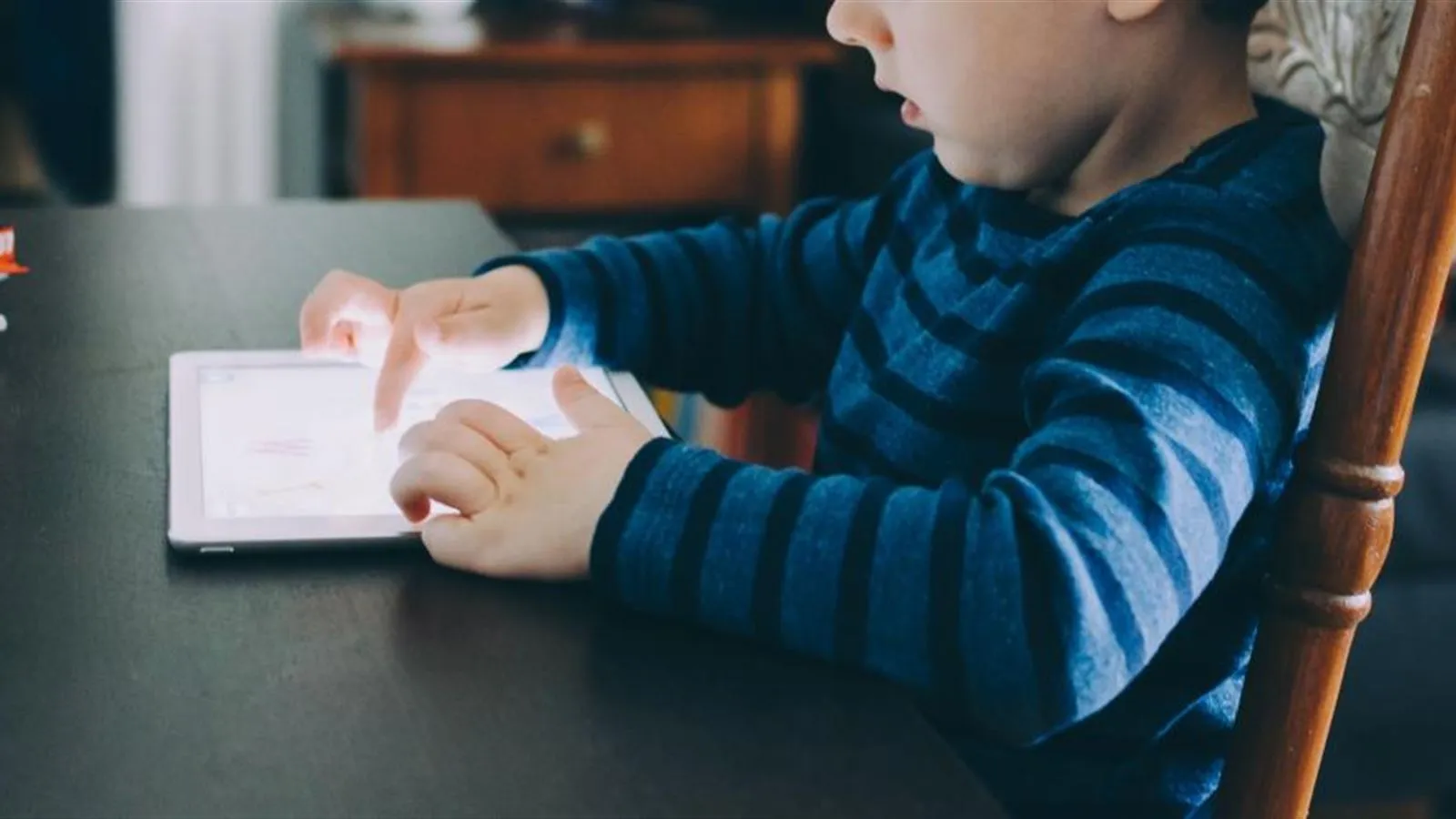
Screens are everywhere — and for tired parents, a tablet can feel like a lifeline. This isn’t about guilt. It’s about understanding what the guidelines recommend, why, and how to make realistic changes.
The guidelines
The early-years movement guidelines recommend (Tremblay et al., 2017):
| Age | Sedentary screen time |
|---|---|
| Under 2 | Not recommended (video calls with family are generally seen as an exception) |
| 2–4 years | No more than 1 hour a day — less is better |
The guidelines also encourage reading, storytelling and puzzles with a caregiver when children are sitting.
What the research found
In 2019, Sheri Madigan and colleagues followed about 2,400 children in Canada, measuring screen time and development at ages 2, 3 and 5 (Madigan et al., 2019).
Madigan et al., 2019
Higher screen time at 2 and 3 years was associated with poorer performance on a developmental screening test a year or two later — covering areas such as communication, movement and problem-solving. Importantly, the link ran in that direction: screen time came first, rather than children with delays simply watching more. It’s an observational study, so it can’t prove cause and effect, but it fits with the guideline advice.
Why screens may matter
The simplest explanation is displacement: time on a screen is time not spent talking, playing, moving, being read to or sleeping — the activities that build language, motor skills and attention.
Practical ways to cut back
| Instead of… | Try… |
|---|---|
| Tablet while you cook | A pot-and-wooden-spoon band, or a job like washing vegetables |
| TV in the background all day | TV off unless someone is watching a chosen programme |
| Screen in the car | Songs, “I spy”, audiobooks |
| Screen at restaurants | A small bag of crayons, stickers and a little book |
| Screen to fall asleep | A bedtime story and a cuddle |
When you do use screens
- Choose slower-paced, age-appropriate programmes.
- Watch together and talk about what you see.
- Keep screens out of bedrooms and away from meals.
- Stop at least an hour before bed.
- Set a timer so the end is predictable — it reduces meltdowns.
A realistic day for a 3-year-old
| Time | Activity |
|---|---|
| Morning | Breakfast together, walk to nursery |
| Afternoon | Park or indoor games |
| Early evening | One chosen 20–30 minute programme, watched together |
| Bedtime | Bath, book, bed — no screens |
Go easy on yourself
Some days will have more screens than others: illness, long journeys, working from home. What matters is the overall pattern. Start with one change — no TV during meals, or a screen-free hour before bed — and build from there.
A screen plan you can stick to
| Rule | Why it helps |
|---|---|
| Screens off at meals | Mealtimes are prime talking time |
| No screens in the hour before bed | Protects sleep |
| Choose the programme together, then turn it off | Avoids endless autoplay |
| Screens in shared rooms only | You can see and talk about what they watch |
| Same rules for adults where possible | Children copy what we do |
What to do instead: a “boredom menu”
Make a picture list your child can choose from when they ask for a screen:
- Build a blanket den
- Play with playdough
- Dance to three songs
- Help with cooking
- Look at books
- Draw with chalk outside
- Play with a box of dress-up clothes
Managing the switch-off
- Give a warning: “Two more minutes, then we turn it off.”
- Use a timer so the end feels predictable and fair.
- Have the next thing ready: “When it’s off, we’ll go to the park.”
- Stay calm if there are tears — consistency makes it easier over time.
Remember the bigger picture
The guidelines look at the whole day: active play, sitting, screens and sleep together (Tremblay et al., 2017). If your child is active for three hours, sleeps well and has plenty of conversation and play, a little screen time is part of a balanced day.
FAQ
Do educational apps count? Yes, they still count towards screen time. Some are better than others, but real-world play and conversation are best for this age.
What about video calls with grandparents? These are interactive and social, and are generally treated differently from passive watching.
The bottom line
No sedentary screen time under 2, and no more than an hour a day for 2–4-year-olds. Research links more screen time with poorer later development. Swap screens for play, talk and books where you can — one small change at a time.
Sources
- Tremblay MS et al. (2017). Canadian 24-Hour Movement Guidelines for the Early Years (0–4 years): an integration of physical activity, sedentary behaviour, and sleep. BMC Public Health. doi:10.1186/s12889-017-4859-6
- Madigan S et al. (2019). Association between screen time and children’s performance on a developmental screening test. JAMA Pediatrics. doi:10.1001/jamapediatrics.2018.5056
This article is general education for healthy adults, not medical advice. Check with a qualified professional before starting a new exercise or nutrition plan, especially if you have a medical condition. Full disclaimer.
Keep reading

Toddler Snacks: Simple, Healthy and Safe
Twenty snack ideas for ages 1–5, how to prepare them to reduce choking risk, and how to stop snacks from spoiling meals.

A Bedtime Routine for Toddlers That Actually Works
A study of more than 10,000 families found a consistent bedtime routine was linked to better sleep — and more nights meant better results. Here's a simple one.

How Much Sleep Do Toddlers and Preschoolers Need?
Recommended hours from the American Academy of Sleep Medicine, sample schedules with naps, and signs your child isn't getting enough.