Fitness
How Long Should You Rest Between Sets?
September 16, 2026 · 4 min read · Training
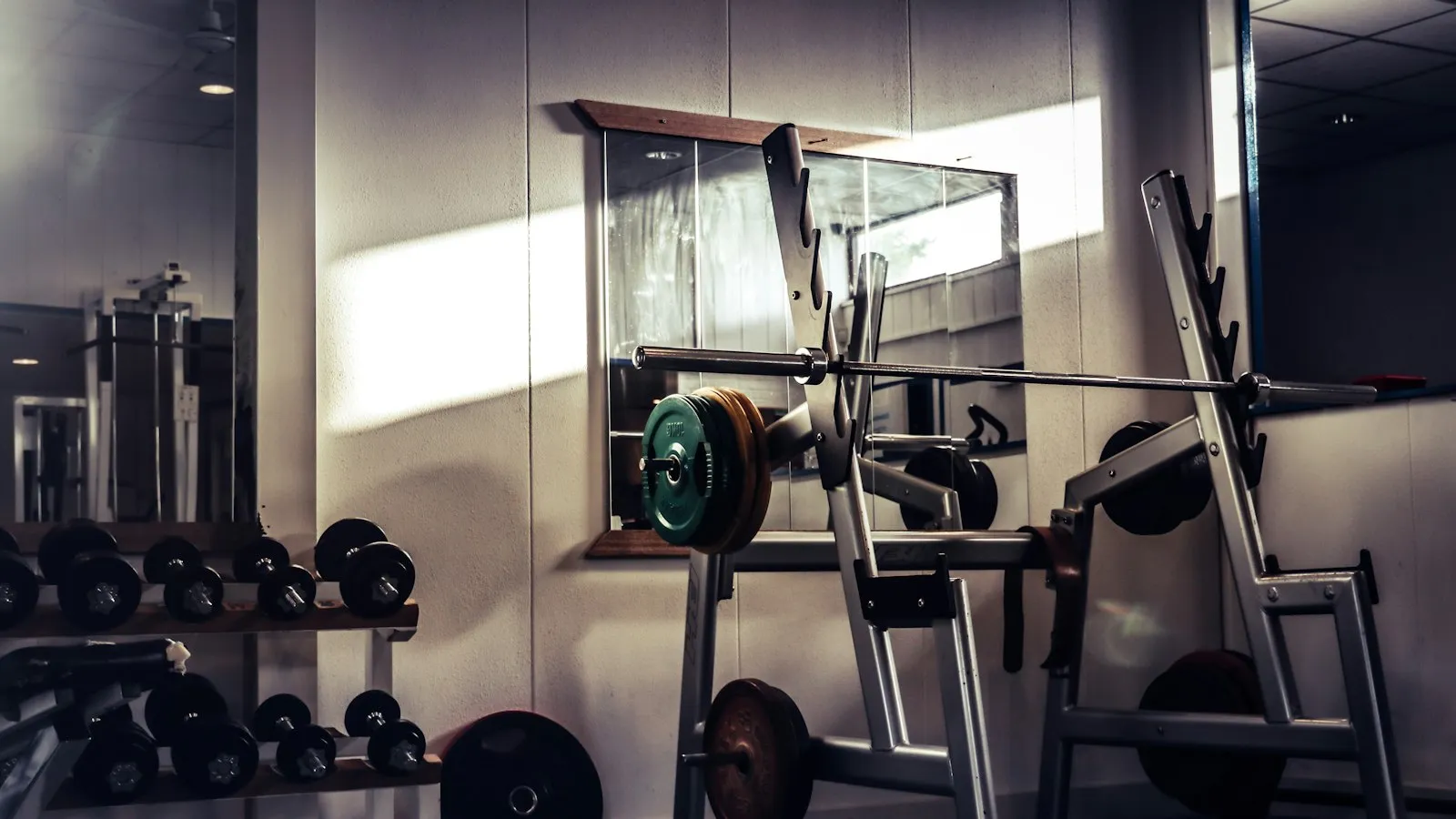
Rest periods are the most ignored variable in the gym. People either scroll their phones for six minutes or rush back under the bar after 30 seconds because short rests “feel” more intense. Rest is a tool — and using it well can make your training noticeably more effective.
What the research found
A 2016 study by Brad Schoenfeld and colleagues, published in the Journal of Strength and Conditioning Research, had resistance-trained men follow the same program for eight weeks with one difference: one group rested 1 minute between sets, the other 3 minutes.
Schoenfeld et al., Journal of Strength and Conditioning Research (2016)
The 3-minute group gained more strength on the squat and bench press and showed greater muscle growth in the front of the thigh. A key reason: with longer rest, they could lift more total weight across their sets. With short rests, fatigue carried over and each set got worse.
This was a small study, so it isn’t the final word. But it fits a bigger pattern: a 2017 meta-analysis found a dose-response relationship between weekly training volume and muscle growth (Schoenfeld et al., 2017). Anything that lets you do more good-quality work — including adequate rest — tends to help.
Why rest affects results
Your muscles’ fastest energy system recovers over a few minutes after a hard set. Start the next set too early and you’ll lose reps, use lighter weights, or let technique slip. Over a whole session, that adds up to noticeably less quality work.
A practical guide
Our practical guidance, based on the research above. Heavier, harder sets need longer.
View as table
| Item | min |
|---|---|
| Heavy compound lifts | 2–3 |
| Moderate compound lifts | 1.5–2 |
| Isolation exercises | 1–1.5 |
| Circuits (on purpose) | 0.5–1 |
| Exercise type | Examples |
|---|---|
| Heavy compound lifts | Squat, deadlift, bench press, overhead press |
| Moderate compound lifts | Lunges, rows, pull-ups, leg press |
| Isolation exercises | Curls, lateral raises, leg extensions |
| Circuits | Bodyweight circuits for conditioning |
The “ready” test
Instead of a stopwatch, use a simple check: rest until your breathing is back to near normal and you feel you could match the reps from your last set. For heavy lifts that’s usually at least two minutes; for a big set of squats it may be closer to three or four.
When short rests make sense
Short rests aren’t wrong — they’re a different tool:
- Time-limited sessions. Use supersets: pair two exercises that don’t compete (a push and a pull, or upper and lower body) and alternate between them. Each muscle still rests while you keep moving.
- Conditioning goals. If you want to improve fitness and work capacity, circuits with short rests are effective.
- Isolation work. Smaller muscles recover faster, so 60–90 seconds is often enough.
Supersets that save time
| Pair | A | B |
|---|---|---|
| Push + pull | Dumbbell bench press | One-arm row |
| Upper + lower | Overhead press | Romanian deadlift |
| Legs + core | Goblet squat | Dead bug |
Do a set of A, rest about 60–75 seconds, do a set of B, rest again, and repeat. Each exercise gets 2–3 minutes between its own sets, while the whole workout takes far less time.
Using rest time well
Put your phone in your bag and use a timer instead. Between sets:
- note the weight and reps you just did;
- walk around and breathe;
- do a quick mobility drill for a body part you’re not training.
Common mistakes
- Resting by feel and getting distracted. Ten minutes on your phone cools you down; use a timer.
- Rushing heavy sets. Short rests on squats and deadlifts usually mean worse technique and fewer reps.
- Treating sweat as success. Feeling exhausted isn’t the goal; doing more good-quality work over time is.
FAQ
Will longer rest make my workouts too long? Use supersets and keep isolation rests shorter. A full-body session with good rest still fits in 45–60 minutes.
Does shorter rest burn more fat? Short-rest circuits raise your heart rate, but fat loss depends mainly on overall diet and activity. For strength and muscle, longer rest on big lifts is usually more productive.
Should beginners rest as long? Beginners lift lighter absolute weights and often recover a bit faster, but 1.5–2 minutes on compound lifts is still a good default.
The bottom line
- Rest 2–3 minutes on big lifts, 1–2 minutes on smaller ones.
- Longer rest lets you lift more across all your sets, which is what drives progress.
- Short on time? Use supersets rather than cutting rest on the same muscle.
Sources
- Schoenfeld BJ et al. (2016). Longer interset rest periods enhance muscle strength and hypertrophy in resistance-trained men. Journal of Strength and Conditioning Research. doi:10.1519/JSC.0000000000001272
- Schoenfeld BJ, Ogborn D, Krieger JW (2017). Dose-response relationship between weekly resistance training volume and increases in muscle mass. Journal of Sports Sciences. doi:10.1080/02640414.2016.1210197
This article is general education for healthy adults, not medical advice. Check with a qualified professional before starting a new exercise or nutrition plan, especially if you have a medical condition. Full disclaimer.
Keep reading
The Beginner Full-Body Dumbbell Workout (3 Days a Week)
A complete starter routine you can do at home with one pair of dumbbells — with sets, reps and how to progress.

How Much Exercise Do You Actually Need? What the WHO Guidelines Say
The global minimums for cardio and strength training, translated into a week you can actually schedule — plus an 8-week starter plan.
The 20-Minute No-Equipment Workout You Can Do Anywhere
A full-body bodyweight circuit with beginner, intermediate and advanced options.