Fitness
Why Strength Training Might Be the Best Thing You Do for Your Future Self
August 31, 2026 · 4 min read · Training
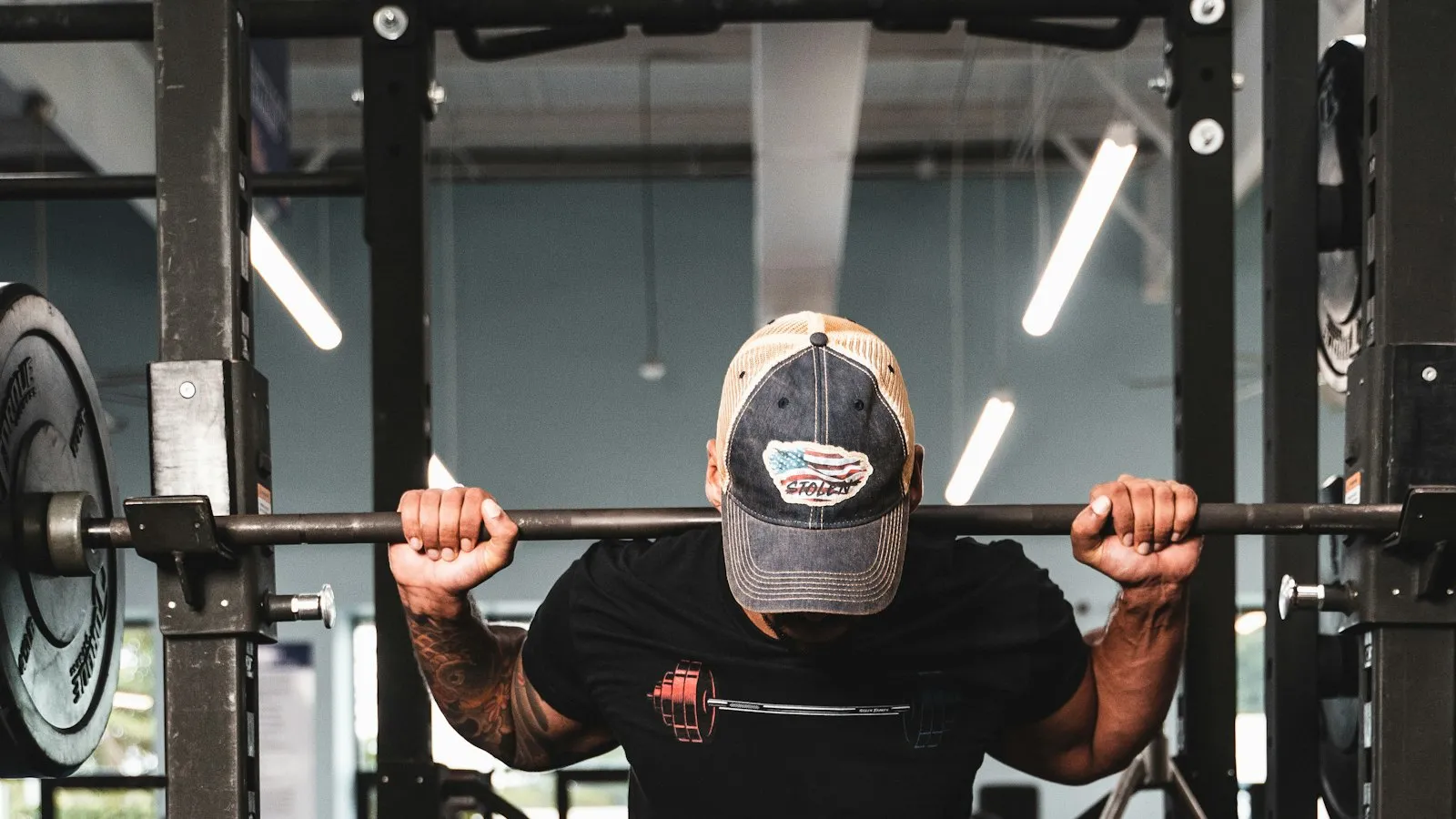
When people think “healthy exercise”, they usually picture running or cycling. Strength training is often filed under “bodybuilding” — optional, aesthetic, something for gym enthusiasts. The research suggests that’s a mistake.
What the big studies show
In 2022, Haruki Momma and colleagues published a systematic review and meta-analysis in the British Journal of Sports Medicine, bringing together prospective studies on muscle-strengthening activity and long-term health.
Momma et al., British Journal of Sports Medicine (2022); Bull et al. (2020); Piercy et al. (2018)
Key findings:
- Doing muscle-strengthening activities was associated with roughly a 10–20% lower risk of death from all causes, cardiovascular disease and cancer, compared with doing none. Associations were also found for diabetes and lung cancer.
- The greatest risk reduction was seen at about 30–60 minutes per week.
- Combining strength and aerobic activity was associated with an even lower risk of death than either alone.
- The analysis didn’t find clear additional benefit at very high weekly volumes, and data at the top end was limited.
These are observational studies, so they show associations, not proof of cause. But they line up with both the WHO and US guidelines, which recommend muscle-strengthening activity on two or more days per week.
Why muscle matters as you age
From middle age onward, most people gradually lose muscle mass and strength if they don’t train. Strength underpins everyday independence: carrying shopping, climbing stairs, getting up off the floor, catching yourself if you trip. The WHO also recommends that adults over 65 add balance and functional training three or more days a week, partly to help prevent falls.
The encouraging part: muscle responds to training at any age. It’s never too late to start.
How little you need
| Element | Minimum target |
|---|---|
| Frequency | 2 sessions per week |
| Duration | 20–40 minutes each |
| Exercises | 4–6, covering legs, hips, push, pull and core |
| Sets | 2–3 per exercise |
| Effort | Finish each set with ~1–3 reps left in the tank |
That’s 40–80 minutes a week — right in the range linked to the biggest benefit.
A 30-minute full-body template
- Squat (goblet squat or bodyweight) — 3 sets of 8–12
- Hip hinge (Romanian deadlift or hip bridge) — 3 × 8–12
- Push (push-up or dumbbell press) — 3 × 8–12
- Pull (dumbbell row or band row) — 3 × 8–12
- Carry (farmer’s walk with dumbbells or shopping bags) — 3 × 30–40 metres
- Core (plank) — 3 × 20–40 seconds
Rest about 60–90 seconds between sets.
A 12-week starter progression
| Weeks | Sessions/week | Sets per exercise | Focus |
|---|---|---|---|
| 1–2 | 2 | 1–2 | Learn the movements with light loads |
| 3–4 | 2 | 2 | Find weights where the last reps feel challenging |
| 5–8 | 2 | 3 | Add reps each week; increase weight when you hit 12 |
| 9–11 | 2–3 | 3 | Keep progressing; optionally add a third session |
| 12 | 2 | 2 | Lighter week to recover — then start a new block |
Getting started safely
- Learn technique first. Start lighter than you think you need to.
- Progress gradually. Add a rep or a little weight at a time.
- Expect some muscle soreness in the first few weeks. Sharp or joint pain is a signal to stop and adjust.
- Check with your doctor before starting if you have a heart condition, high blood pressure, joint problems or any other medical concern.
Making it stick
- Schedule it like an appointment: e.g., Monday and Thursday at 7 a.m.
- Use an if–then plan: “If it’s Monday at 7 a.m., then I put on my training shoes.”
- Track your numbers. Seeing weights go up is motivating.
- Pair it with walking for the aerobic side of the guidelines.
FAQ
Will strength training make me bulky? Building large amounts of muscle takes years of focused training and eating. Two sessions a week will make you stronger and more toned, not bulky.
Do I need a gym? No. Bodyweight exercises, a pair of dumbbells or resistance bands are enough for the first year for most people.
I’m over 60. Is it safe to start? For most people, yes — and the benefits are especially valuable. Start light, focus on technique and talk to your doctor if you have health conditions.
Is more always better? The research found the greatest benefit at about 30–60 minutes a week, with no clear extra benefit at very high volumes. Consistency matters far more than extremes.
The bottom line
- About 30–60 minutes of strength training per week was linked to lower risk of major disease and early death.
- Pair it with aerobic activity for the best results.
- Two full-body sessions a week is enough to start — and to keep going for decades.
Sources
- Momma H et al. (2022). Muscle-strengthening activities are associated with lower risk and mortality in major non-communicable diseases. British Journal of Sports Medicine. doi:10.1136/bjsports-2021-105061
- Bull FC et al. (2020). World Health Organization 2020 guidelines on physical activity and sedentary behaviour. British Journal of Sports Medicine. doi:10.1136/bjsports-2020-102955
- Piercy KL et al. (2018). The Physical Activity Guidelines for Americans. JAMA. doi:10.1001/jama.2018.14854
This article is general education for healthy adults, not medical advice. Check with a qualified professional before starting a new exercise or nutrition plan, especially if you have a medical condition. Full disclaimer.
Keep reading
The Beginner Full-Body Dumbbell Workout (3 Days a Week)
A complete starter routine you can do at home with one pair of dumbbells — with sets, reps and how to progress.

How Much Exercise Do You Actually Need? What the WHO Guidelines Say
The global minimums for cardio and strength training, translated into a week you can actually schedule — plus an 8-week starter plan.
The 20-Minute No-Equipment Workout You Can Do Anywhere
A full-body bodyweight circuit with beginner, intermediate and advanced options.