Wellness
Sitting All Day? Why Short Walking Breaks Matter
September 14, 2026 · 4 min read · Sleep & Recovery
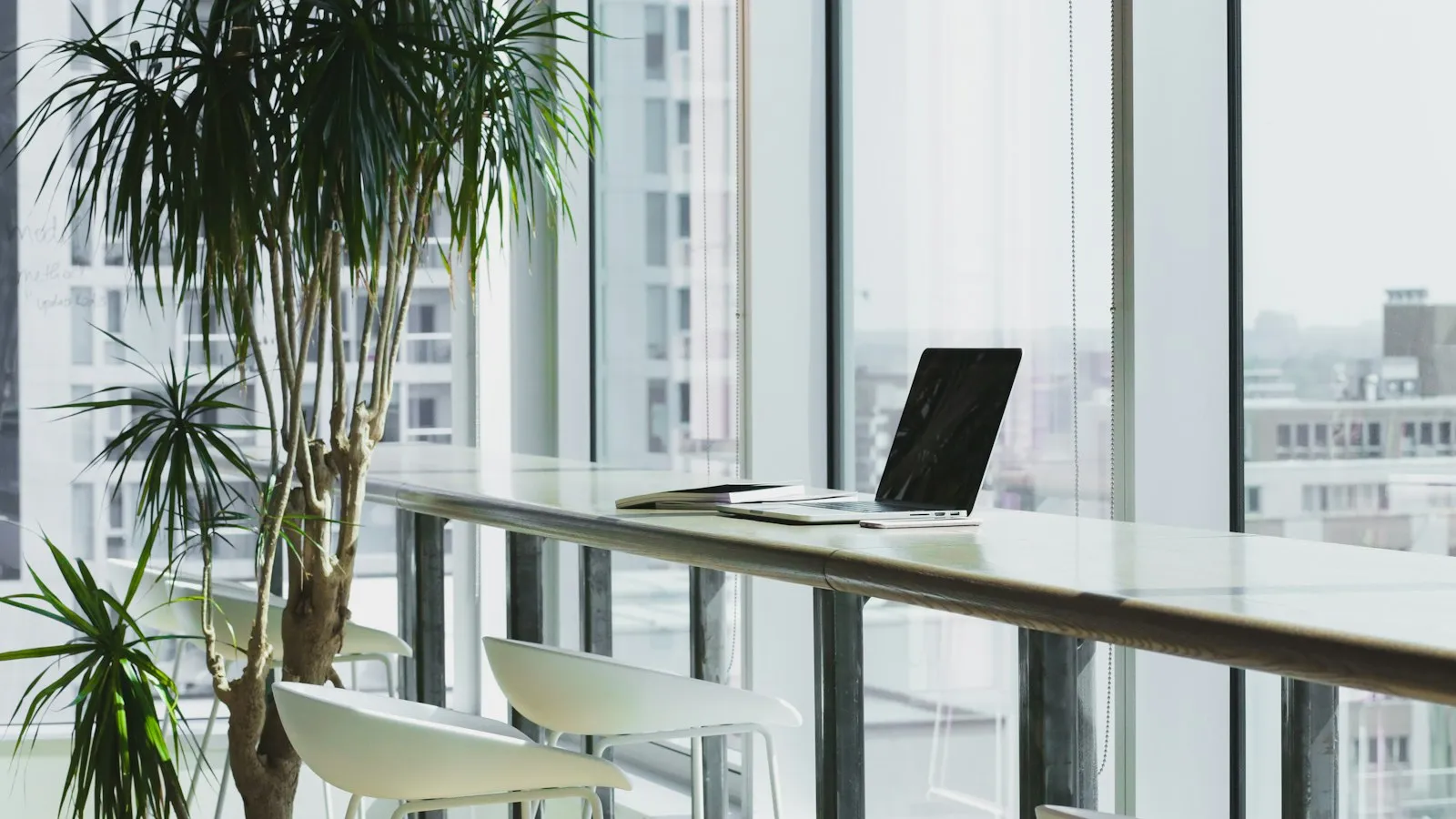
If you work at a desk, you might sit for 8–10 hours a day — even if you train in the evening. The WHO’s 2020 guidelines specifically recommend limiting sedentary time and replacing it with physical activity of any intensity (Bull et al., 2020). Short movement breaks are one of the easiest ways to do it.
Training in the evening doesn’t cancel out sitting
It’s easy to assume that an hour at the gym makes up for a day in a chair. The WHO guidelines treat them as two separate targets: get enough activity (at least 150–300 minutes of moderate activity a week, plus strength training on two or more days) and reduce sedentary time (Bull et al., 2020). A movement break habit addresses the second one.
What the research found
A 2022 systematic review and meta-analysis by Buffey and colleagues looked at studies that interrupted prolonged sitting with either standing or light-intensity walking breaks, and measured markers of metabolic health after meals (Buffey et al., 2022).
| Break type | Effect after meals, compared with uninterrupted sitting |
|---|---|
| Light walking | Lower blood glucose and insulin |
| Standing | Smaller benefits |
These were mostly short, lab-based studies, so they tell us about immediate effects rather than long-term health. But they support a simple, low-cost habit: get up and walk briefly, often. Notably, the breaks studied were short — often just a few minutes at a time — and at an easy pace.
The desk-worker plan
| When | What | How long |
|---|---|---|
| Every 30–60 min | Stand up and walk — to the kitchen, the stairs, around the office | 2–5 min |
| After lunch | A walk outside | 10–15 min |
| Every phone call | Walk while talking | Duration of the call |
| Mid-afternoon | Mobility “reset” (below) | 5 min |
How it adds up
| Habit | Minutes per workday |
|---|---|
| 6 × 3-minute walking breaks | 18 |
| Post-lunch walk | 15 |
| Walking during two calls | 20 |
| Total | ~53 minutes |
That’s nearly an hour of light activity without a single dedicated “workout”.
The 5-minute mobility reset
Do these beside your desk:
- Standing hip flexor stretch — 30 seconds each side
- Chest opener (hands clasped behind you) — 30 seconds
- Thoracic rotations (seated, arms crossed, rotate) — 8 each side
- Neck side bends — 5 each side, slow
- Bodyweight squats — 10 reps
- Calf raises — 15 reps
Working from home
Home workers often move even less — no commute, no walk to a colleague’s desk. Try:
- A “fake commute”: a 10-minute walk before you start and after you finish.
- Standing for video calls where you can.
- Taking lunch away from your desk, ideally outside.
- Doing a set of squats or push-ups while the kettle boils.
Making it automatic
- Set a recurring timer or use your smartwatch’s movement reminder.
- Use a smaller water bottle — refilling it becomes a built-in break.
- Put the printer or bin away from your desk.
- Use if–then plans: “If I finish a meeting, then I walk for 2 minutes.” See our guide to if–then planning.
What about standing desks?
Standing desks reduce sitting time, and alternating between sitting and standing is popular. But in the review, light walking showed larger benefits after meals than standing. A standing desk is a nice option — just don’t let it replace getting up and moving.
A sample desk day
| Time | Break |
|---|---|
| 9:00 | Start with a short walk around the block or the floor |
| 10:00 | Refill water bottle via the stairs |
| 11:00 | Walk during a phone call |
| 12:30 | 15-minute walk after lunch |
| 14:00 | Mobility reset beside your desk |
| 15:00 | Walk to a colleague instead of messaging |
| 16:00 | Two minutes of stairs |
| 17:30 | Walk part of the way home |
Signs you’re sitting too long
- Stiff hips and lower back when you stand up.
- A heavy, sluggish feeling after lunch.
- Realising you haven’t left your chair since the morning.
None of these are dangerous on their own, but they’re useful reminders to get up.
Combine with strength training
Movement breaks reduce sitting time, but the WHO guidelines also recommend muscle-strengthening activity on two or more days a week (Bull et al., 2020). A couple of short strength sessions, even at home, round out the plan. Try our 20-minute bodyweight workout.
FAQ
I can’t leave my desk every 30 minutes. Do what you can. Even standing and walking around your chair for a minute helps break up sitting time.
Does the pace matter? The studies mainly used light walking. An easy, comfortable pace is enough.
Does walking on a treadmill desk count? Yes. Slow walking while you work is light activity, and it breaks up sitting.
The bottom line
Short, frequent walks during long sitting periods are one of the easiest healthy habits you can add. Aim to stand and move every 30–60 minutes, and take a walk after lunch.
Sources
- Buffey AJ et al. (2022). The acute effects of interrupting prolonged sitting time in adults with standing and light-intensity walking on biomarkers of cardiometabolic health. Sports Medicine. doi:10.1007/s40279-022-01649-4
- Bull FC et al. (2020). World Health Organization 2020 guidelines on physical activity and sedentary behaviour. British Journal of Sports Medicine. doi:10.1136/bjsports-2020-102955
This article is general education for healthy adults, not medical advice. Check with a qualified professional before starting a new exercise or nutrition plan, especially if you have a medical condition. Full disclaimer.
Keep reading

How Much Sleep Do You Really Need?
What two expert consensus panels concluded, a chart of recommended hours by age, and a practical plan to get more.

Caffeine and Sleep: When Should You Have Your Last Coffee?
A sleep study found caffeine six hours before bed still cut sleep by more than an hour. Here's how to set your cut-off.

The 30-Minute Wind-Down Routine for Better Sleep
A simple evening routine that tells your body it's time to switch off.