Kitchen
Fibre: The Nutrient Most People Forget (and How to Get 30 g a Day)
September 15, 2026 · 5 min read · Nutrition & Recipes
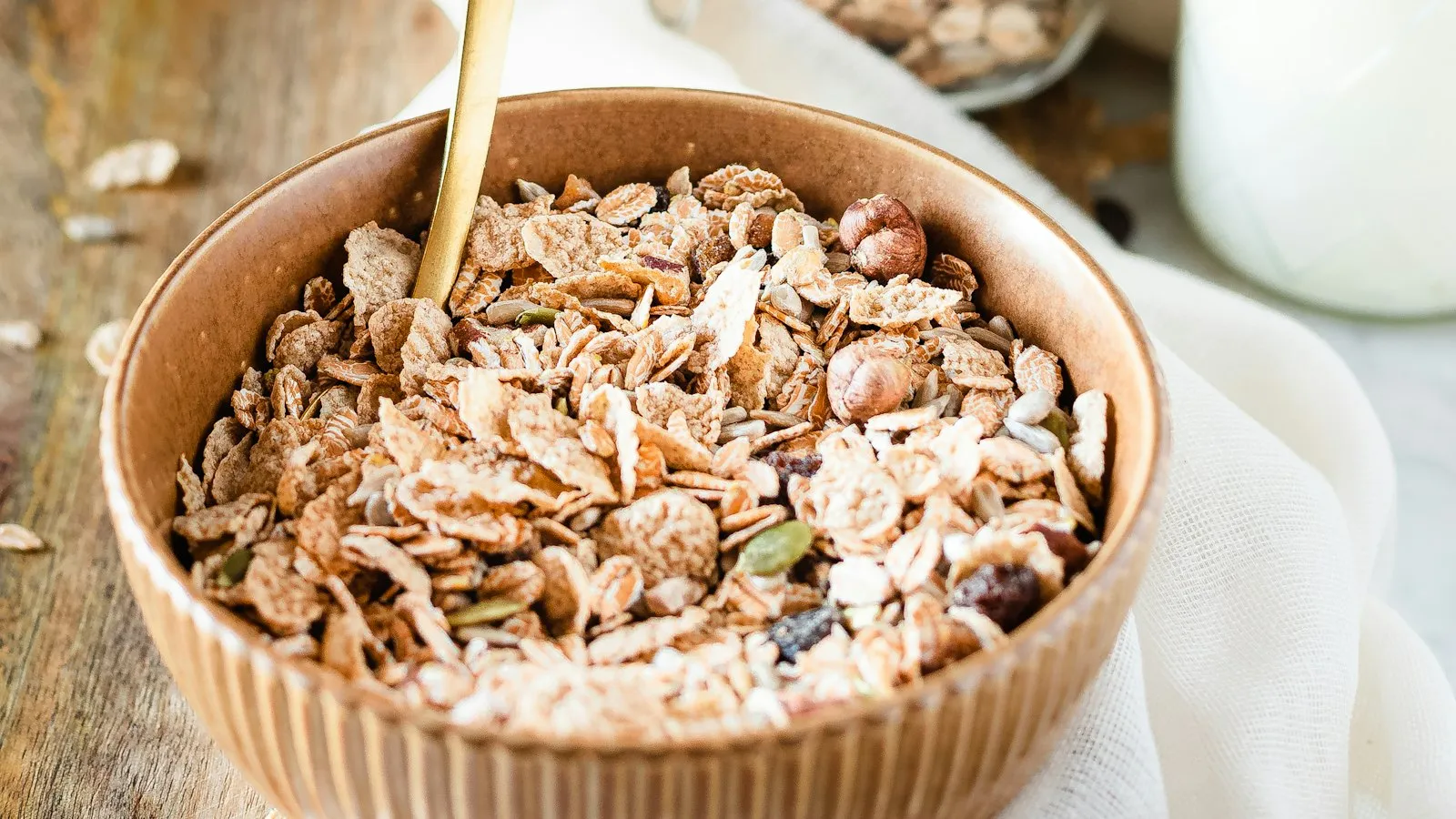
Protein gets the headlines, but fibre may be the most under-eaten nutrient in modern diets. Most adults fall well short of the commonly recommended 25–30 grams a day — and closing that gap is one of the simplest upgrades you can make.
What the research found
In 2019, Andrew Reynolds and colleagues published a series of systematic reviews and meta-analyses in The Lancet, commissioned by the World Health Organization to inform its guidelines.
Reynolds et al., The Lancet (2019)
Their key findings:
- People eating 25–29 g of fibre a day had a 15–30% lower risk of death from all causes and from cardiovascular disease, and lower rates of coronary heart disease, stroke, type 2 diabetes and colorectal cancer, compared with those eating the least.
- The dose-response data suggested that higher intakes could bring even greater benefit.
- Whole grain intake showed similar associations.
- The clinical trials in the review showed improvements in markers such as bodyweight, blood pressure and cholesterol with higher fibre intake.
The long-term findings are observational, so they show association rather than proof of cause. But the size and consistency of the evidence — backed by trial data on risk markers — is why fibre features so prominently in dietary guidelines.
Why fibre helps
Fibre is the part of plant foods your body can’t fully digest. It:
- adds bulk and slows digestion, helping you feel full;
- feeds beneficial gut bacteria, which ferment some fibres into useful compounds;
- supports regular digestion;
- comes packaged with vitamins, minerals and other plant compounds in whole foods.
Where fibre comes from
Typical values; vary by variety, ripeness and preparation.
View as table
| Item | g |
|---|---|
| Lentils, 200 g cooked | 16 |
| Chickpeas, 200 g cooked | 14 |
| Raspberries, 150 g | 10 |
| Pear with skin, 1 medium | 6 |
| Oats, 50 g | 5 |
| Wholegrain bread, 2 slices | 5 |
| Broccoli, 150 g cooked | 5 |
| Chia seeds, 1 tbsp | 4 |
| Almonds, 30 g | 4 |
| Potato with skin, 1 medium | 4 |
Legumes are in a league of their own. A single portion of lentils or chickpeas can provide half your daily target.
A 30-gram day (that ends up closer to 40)
| Meal | Food | Fibre |
|---|---|---|
| Breakfast | 50 g oats, 150 g raspberries, 1 tbsp chia | ~19 g |
| Lunch | Wholegrain sandwich + an apple | ~9 g |
| Snack | 30 g almonds | ~4 g |
| Dinner | Chickpea curry with broccoli and brown rice | ~12 g |
| Total | ~44 g |
Easy swaps
| Instead of | Try | Approx. extra fibre |
|---|---|---|
| White bread | Wholegrain bread | +3–4 g per 2 slices |
| White rice | Brown rice, or half-and-half | +2–3 g per portion |
| Juice | Whole fruit | +3–5 g |
| Plain pasta sauce | Add a tin of lentils | +10 g+ per pot |
| Peeled potatoes | Skin on | +1–2 g |
| Sugary cereal | Oats or bran cereal | +3–5 g |
Go slowly
If you currently eat little fibre, a sudden jump can cause bloating and wind. Increase gradually over two to three weeks — around 5 g extra per day each week — and drink plenty of water. Your gut adapts.
Fibre and protein work well together
Many of the best fibre sources — lentils, beans, chickpeas, edamame — are also good protein sources. Building meals around legumes is an efficient way to raise both at once, especially if you eat less meat.
A three-week step-up plan
| Week | Add | Extra fibre |
|---|---|---|
| 1 | Switch to wholegrain bread and add berries to breakfast | ~+5 g a day |
| 2 | Add a portion of beans, lentils or chickpeas to one meal | ~+10 g a day |
| 3 | Add a handful of nuts or a tablespoon of chia, and keep potato skins on | ~+15 g a day |
Drink water with every meal as you go.
Reading labels
- Check fibre per 100 g. Many countries consider 3 g or more per 100 g a source of fibre and 6 g or more high in fibre; the exact rules vary by country.
- Look for whole grains first on the ingredients list: whole wheat, whole oats, brown rice.
- “Multigrain” doesn’t mean wholegrain. It may just mean several refined grains.
- Brown colour isn’t a guarantee either; check the label.
Five fast high-fibre meals
- Lentil bolognese: a tin of lentils stirred into tomato sauce with wholewheat pasta.
- Bean chilli wraps: kidney beans, peppers and salsa in wholegrain wraps.
- Chickpea traybake: chickpeas, sweet potato and broccoli roasted with spices.
- Overnight oats: oats, chia, milk or yoghurt and frozen raspberries.
- Hummus plate: hummus, wholegrain pitta, carrots, cucumber and an apple.
What about whole grains?
The Lancet reviews found that higher whole grain intake showed associations similar to those for fibre (Reynolds et al., 2019). Practical whole grains include oats, brown rice, wholewheat pasta and bread, quinoa, barley, buckwheat, bulgur and popcorn.
FAQ
Do I need a fibre supplement? Most people can reach 30 g with food alone. Supplements can help some people, but they don’t provide the other nutrients found in whole foods.
Is fruit too high in sugar? Whole fruit comes with fibre and water, which slow digestion. It’s very different from sugary drinks or sweets.
What about gluten-free diets? Choose naturally gluten-free whole grains such as brown rice, quinoa, buckwheat and certified gluten-free oats, plus plenty of legumes.
Does cooking destroy fibre? No. Cooking softens vegetables and legumes, but the fibre is still there.
The bottom line
Aim for at least 25–30 g of fibre a day from legumes, whole grains, fruit, vegetables, nuts and seeds. Add a little at a time — a tin of lentils in tonight’s sauce is a great start.
Sources
- Reynolds A et al. (2019). Carbohydrate quality and human health: a series of systematic reviews and meta-analyses. The Lancet. doi:10.1016/S0140-6736(18)31809-9
This article is general education for healthy adults, not medical advice. Check with a qualified professional before starting a new exercise or nutrition plan, especially if you have a medical condition. Full disclaimer.
Keep reading
How Much Protein Do You Need to Build Muscle?
What the biggest meta-analysis on protein and strength training found — plus a bodyweight chart, food chart and a simple daily plan.
Protein Timing: Does It Matter When You Eat It?
The anabolic window, per-meal targets and why spreading protein through the day may help.
The 90-Minute Sunday Meal Prep System
Cook once, eat well all week. A step-by-step workflow, shopping list and storage guide.