Kitchen
Protein Timing: Does It Matter When You Eat It?
October 1, 2026 · 4 min read · Nutrition & Recipes
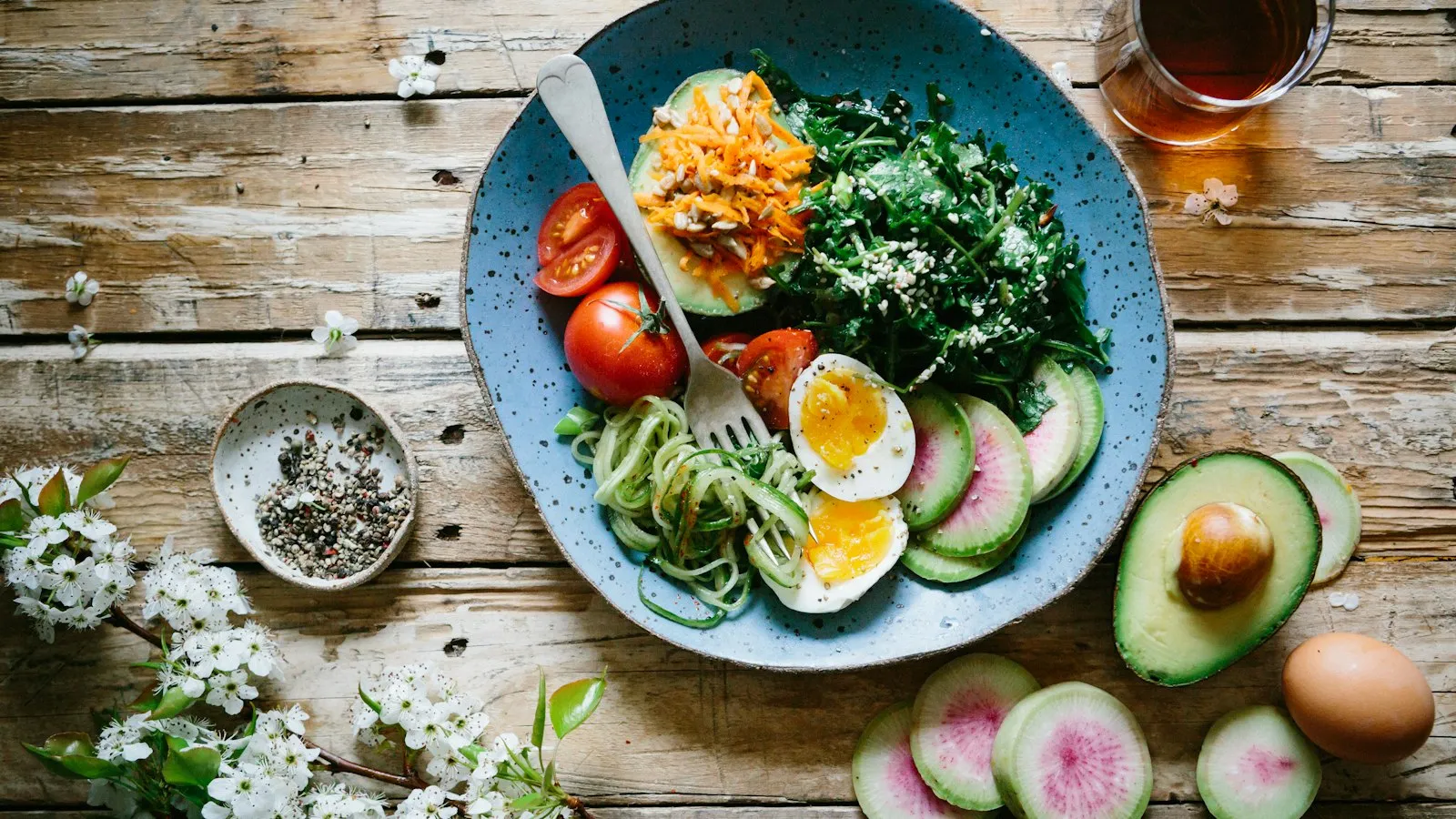
You’ve probably heard you must drink a protein shake within 30 minutes of training or “lose your gains”. The real picture is calmer — and more practical.
Total intake comes first
The ISSN’s position stand on nutrient timing is clear that total daily protein intake is the most important factor (Kerksick et al., 2017). Timing is a fine-tuning tool, not a make-or-break rule. If you’re consistently short on your daily total, no timing strategy will make up for it.
The “anabolic window” is wider than you think
Post-workout protein can be beneficial, but the window isn’t 30 minutes. Practical guidance from the ISSN is that eating a protein-containing meal within roughly two hours either side of training is a sensible approach (Kerksick et al., 2017). If you ate a good meal a couple of hours before training, there’s no need to rush afterwards.
| Your situation | What to do |
|---|---|
| Ate a protein-rich meal 1–2 h before training | Eat your next normal meal when convenient |
| Trained fasted (e.g., early morning) | Have protein reasonably soon after |
| Long gap since your last meal | Don’t leave it too long after training |
Spreading protein across the day
An often-cited 2013 study gave trained men 80 g of whey protein over 12 hours after a workout, in three different patterns (Areta et al., 2013):
Areta et al., 2013
| Pattern | Muscle protein synthesis |
|---|---|
| 8 × 10 g every 1.5 h | Lowest |
| 2 × 40 g every 6 h | Middle |
| 4 × 20 g every 3 h | Highest |
Moderate, evenly spaced servings produced the greatest response. This was a short, lab-based study measuring a marker of muscle building rather than long-term growth, but it supports a simple habit: eat a decent protein portion at each meal.
How much per meal?
The ISSN suggests roughly 0.25 g of protein per kg of bodyweight per meal, or an absolute 20–40 g, spread every 3–4 hours (Jäger et al., 2017).
| Bodyweight | Per meal (0.25 g/kg) |
|---|---|
| 60 kg | 15 g → round up to ~20 g |
| 75 kg | ~19–20 g |
| 90 kg | ~23 g |
Most people will be well served by 25–40 g per meal across 3–4 meals.
The breakfast gap
Many people eat most of their protein at dinner and very little at breakfast — toast, cereal or just coffee. Fixing breakfast is often the single easiest change:
| Typical breakfast | Protein | Upgrade | Protein |
|---|---|---|---|
| Toast with jam | ~6 g | Toast with 2–3 scrambled eggs | ~20 g |
| Cereal with milk | ~8 g | Greek yoghurt, oats and berries | ~25 g |
| Coffee only | ~1 g | Latte + a skyr pot | ~22 g |
What about before bed?
The ISSN position stand also notes that 30–40 g of casein-rich protein before sleep (such as Greek yoghurt or cottage cheese) may support overnight muscle protein synthesis (Kerksick et al., 2017). It’s a nice option if it fits your routine — not a requirement.
A sample day (~140 g)
| Time | Meal | Protein |
|---|---|---|
| 7:30 | Greek yoghurt, oats, berries | 30 g |
| 12:30 | Chicken and grain bowl | 40 g |
| 16:00 | Cottage cheese with fruit | 22 g |
| 19:30 | Salmon, potatoes, greens | 35 g |
| 21:30 | Glass of milk | 8 g |
Do protein shakes help?
A shake is simply a convenient protein portion. It’s useful after training when you won’t eat a meal for a while, or to fix a low-protein breakfast. It’s not more effective than food.
Around your training
| When you train | Practical approach |
|---|---|
| Early morning, before breakfast | Have a protein-rich breakfast soon after |
| Late morning | Normal breakfast, then lunch after training |
| Lunchtime | Protein-rich snack mid-morning, lunch after |
| Evening | Normal dinner after training |
Protein portions that hit 20–40 g
| Food | Portion | Protein (approx.) |
|---|---|---|
| Greek yoghurt or skyr | 250 g | 25 g |
| Chicken breast, cooked | 120 g | 37 g |
| Eggs | 3 large | 19 g |
| Tinned tuna | 1 tin (drained) | 25 g |
| Firm tofu | 200 g | 30 g |
| Cottage cheese | 200 g | 22 g |
Plant-based eaters
Plant proteins often contain less leucine, and some are less digestible. The ISSN position stand on protein suggests that slightly larger servings and a variety of plant sources help (Jäger et al., 2017). Aim for the upper end of the per-meal range. See our plant protein guide.
FAQ
Does eating protein at night make you gain fat? Total daily calories matter for fat gain, not the time of day you eat protein.
I do intermittent fasting. Is that a problem? You can still hit your daily total. Try to fit at least 2–3 good protein portions into your eating window.
The bottom line
- Hit your daily total first.
- Spread protein over 3–4 meals of 20–40 g each.
- Eat a protein-containing meal within a couple of hours of training.
- A protein-rich bedtime snack is optional.
Sources
- Areta JL et al. (2013). Timing and distribution of protein ingestion during prolonged recovery from resistance exercise alters myofibrillar protein synthesis. The Journal of Physiology. doi:10.1113/jphysiol.2012.244897
- Kerksick CM et al. (2017). International Society of Sports Nutrition position stand: nutrient timing. Journal of the International Society of Sports Nutrition. doi:10.1186/s12970-017-0189-4
- Jäger R et al. (2017). International Society of Sports Nutrition Position Stand: protein and exercise. Journal of the International Society of Sports Nutrition. doi:10.1186/s12970-017-0177-8
This article is general education for healthy adults, not medical advice. Check with a qualified professional before starting a new exercise or nutrition plan, especially if you have a medical condition. Full disclaimer.
Keep reading
How Much Protein Do You Need to Build Muscle?
What the biggest meta-analysis on protein and strength training found — plus a bodyweight chart, food chart and a simple daily plan.
The 90-Minute Sunday Meal Prep System
Cook once, eat well all week. A step-by-step workflow, shopping list and storage guide.
7 High-Protein Breakfasts in 10 Minutes or Less
Quick breakfasts with 25–40 g of protein each — no protein powder required. Recipes, a comparison chart and a weekly plan.