Kitchen
7 High-Protein Breakfasts in 10 Minutes or Less
September 23, 2026 · 4 min read · Nutrition & Recipes
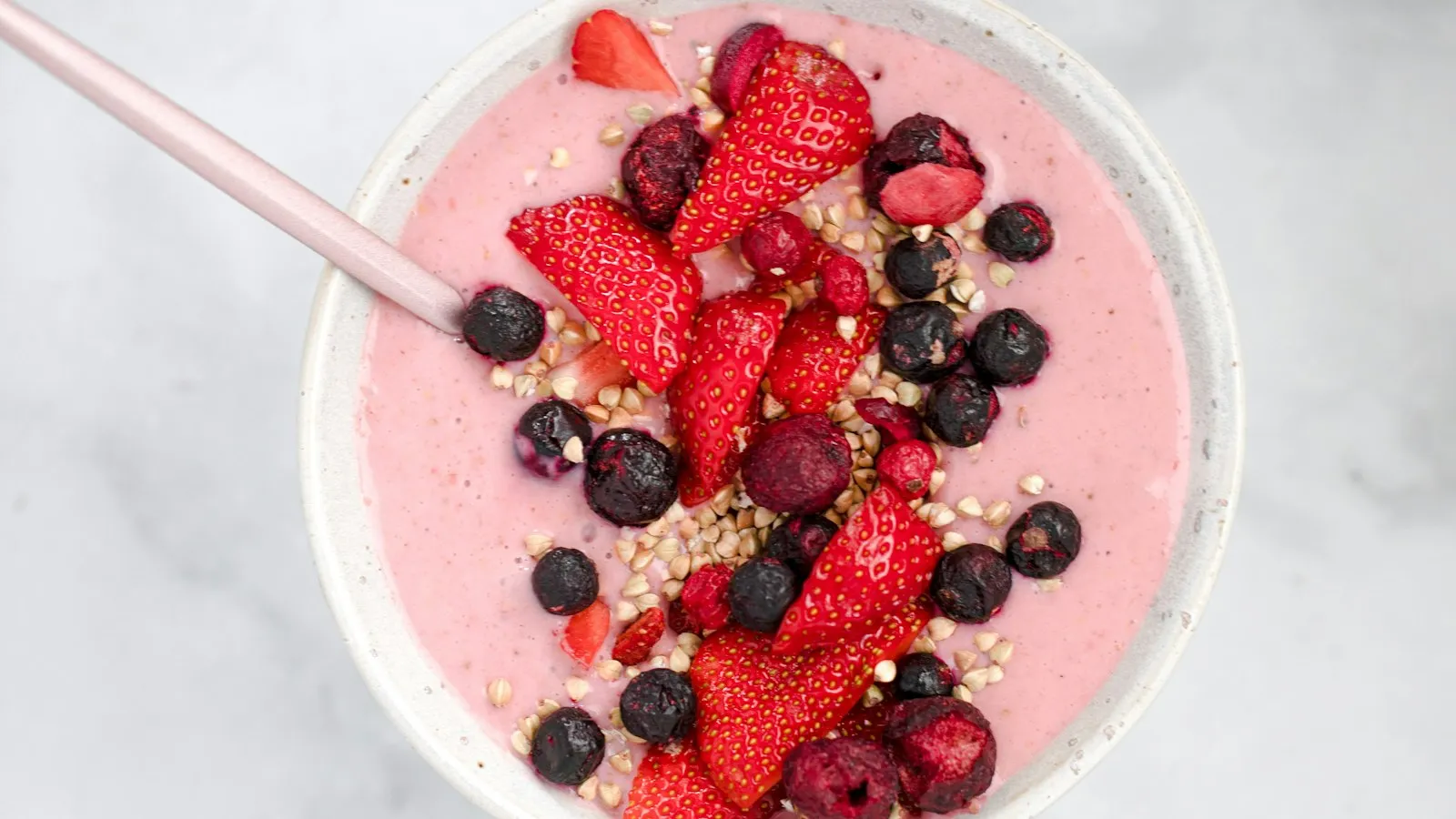
Breakfast is where most people’s protein intake falls short. Toast, cereal and coffee are quick, but they’re light on protein. If your daily target is around 1.6 g per kg of bodyweight — the level where benefits levelled off in Morton’s 2018 meta-analysis — skipping protein at breakfast means cramming the rest into later meals.
There’s also a good reason to spread protein out. In a study by Areta and colleagues, evenly spaced moderate servings produced a stronger muscle-building response than the same total eaten in fewer, larger doses. The International Society of Sports Nutrition suggests 20–40 g per meal. Breakfast is the easiest place to make up ground.
All protein values below are approximate and vary by brand.
1. Greek yoghurt power bowl — ~30 g
250 g Greek yoghurt + 30 g oats + a handful of berries + 1 tbsp chopped nuts. Stir, top and eat. Use plain yoghurt and sweeten with fruit or a drizzle of honey. Time: 3 minutes.
2. Three-egg veggie scramble — ~25 g
3 eggs + a handful of spinach + chopped tomatoes + 20 g grated cheese, scrambled in a non-stick pan over medium-low heat. Serve with one slice of wholegrain toast. Time: 8 minutes.
Tip: take the pan off the heat while the eggs still look slightly wet — they’ll finish cooking on the plate.
3. Cottage cheese toast — ~26 g
Two slices of wholegrain toast + 200 g cottage cheese, topped with sliced tomato, black pepper and a drizzle of olive oil. For a sweet version: cottage cheese, sliced banana and cinnamon. Time: 5 minutes.
4. Overnight protein oats — ~28 g
The night before: 50 g oats + 150 g Greek yoghurt + 150 ml milk + 1 tbsp chia seeds in a jar. In the morning, add fruit. Time: 0 minutes in the morning; 5 minutes the night before.
Make three jars at once — they keep in the fridge for a few days.
5. Smoked salmon bagel — ~30 g
A wholegrain bagel + 30 g light cream cheese + 80 g smoked salmon, with capers, cucumber and black pepper. Time: 4 minutes.
6. Tofu breakfast scramble (vegan) — ~25 g
200 g firm tofu crumbled into a hot pan with turmeric, garlic powder, salt, pepper, spinach and peppers. Serve with toast or in a wrap. Time: 10 minutes.
Tip: a pinch of black salt (kala namak) gives an egg-like flavour.
7. Freezer breakfast burrito — ~35 g
2 eggs + 2 egg whites scrambled, 60 g black beans, salsa and 20 g cheese in a wholewheat tortilla. Make five on Sunday, wrap individually and freeze. Reheat in the microwave in about 2 minutes. Time: 2 minutes on the day.
How they compare
Estimates based on typical ingredient values; your numbers will vary with brands and portions.
View as table
| Item | g |
|---|---|
| Breakfast burrito | 35 |
| Greek yoghurt bowl | 30 |
| Smoked salmon bagel | 30 |
| Overnight oats | 28 |
| Cottage cheese toast | 26 |
| Egg scramble | 25 |
| Tofu scramble | 25 |
| Breakfast | Time on the day | Make ahead? | Vegetarian? |
|---|---|---|---|
| Greek yoghurt bowl | 3 min | Yes | Yes |
| Egg scramble | 8 min | No | Yes |
| Cottage cheese toast | 5 min | No | Yes |
| Overnight oats | 0 min | Yes | Yes |
| Salmon bagel | 4 min | No | No |
| Tofu scramble | 10 min | Yes | Vegan |
| Breakfast burrito | 2 min | Yes | Yes (without meat) |
A week of breakfasts
| Day | Breakfast |
|---|---|
| Mon | Overnight oats (prepped Sunday) |
| Tue | Greek yoghurt bowl |
| Wed | Overnight oats |
| Thu | Freezer burrito |
| Fri | Cottage cheese toast |
| Sat | Egg scramble with toast |
| Sun | Smoked salmon bagel |
Make breakfast effortless
- Prep on Sunday. Three jars of overnight oats and five freezer burritos cover most of the week.
- Keep staples stocked: Greek yoghurt, eggs, cottage cheese, oats, frozen berries, wholegrain bread.
- Pair with fruit or veg for fibre and vitamins.
- Not hungry in the morning? Have a smaller protein-rich option — a yoghurt pot or a glass of milk — and a proper meal mid-morning.
FAQ
Is a protein shake a good breakfast? It’s a quick option, especially blended with milk, oats and fruit. Whole-food breakfasts tend to be more filling.
Can I eat eggs every day? For most healthy people, eggs can be part of a balanced daily diet. If you have a specific medical condition, ask your doctor.
What if I train first thing? A light protein-containing snack before, followed by one of these breakfasts afterwards, works well for many people.
The bottom line
Swap a low-protein breakfast for one of these and you’ll add 15–25 g of protein to your day before 9 a.m. — the easiest win in your diet. Prep two or three on Sunday and the week takes care of itself.
Sources
- Jäger R et al. (2017). International Society of Sports Nutrition Position Stand: protein and exercise. Journal of the International Society of Sports Nutrition. doi:10.1186/s12970-017-0177-8
- Areta JL et al. (2013). Timing and distribution of protein ingestion during prolonged recovery from resistance exercise alters myofibrillar protein synthesis. The Journal of Physiology. doi:10.1113/jphysiol.2012.244897
- Morton RW et al. (2018). A systematic review, meta-analysis and meta-regression of the effect of protein supplementation on resistance training-induced gains in muscle mass and strength. British Journal of Sports Medicine. doi:10.1136/bjsports-2017-097608
This article is general education for healthy adults, not medical advice. Check with a qualified professional before starting a new exercise or nutrition plan, especially if you have a medical condition. Full disclaimer.
Keep reading
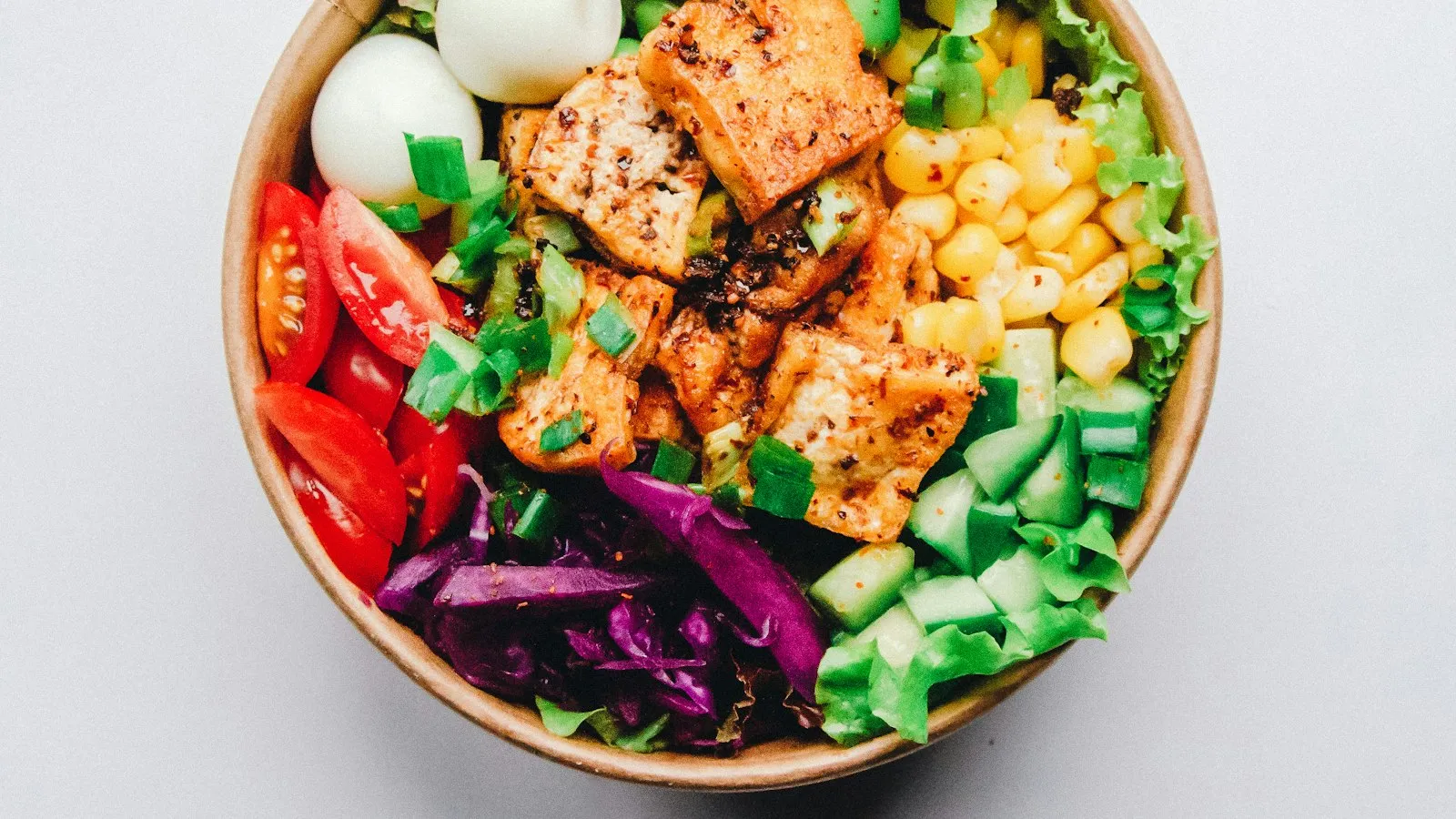
How Much Protein Do You Need to Build Muscle?
What the biggest meta-analysis on protein and strength training found — plus a bodyweight chart, food chart and a simple daily plan.
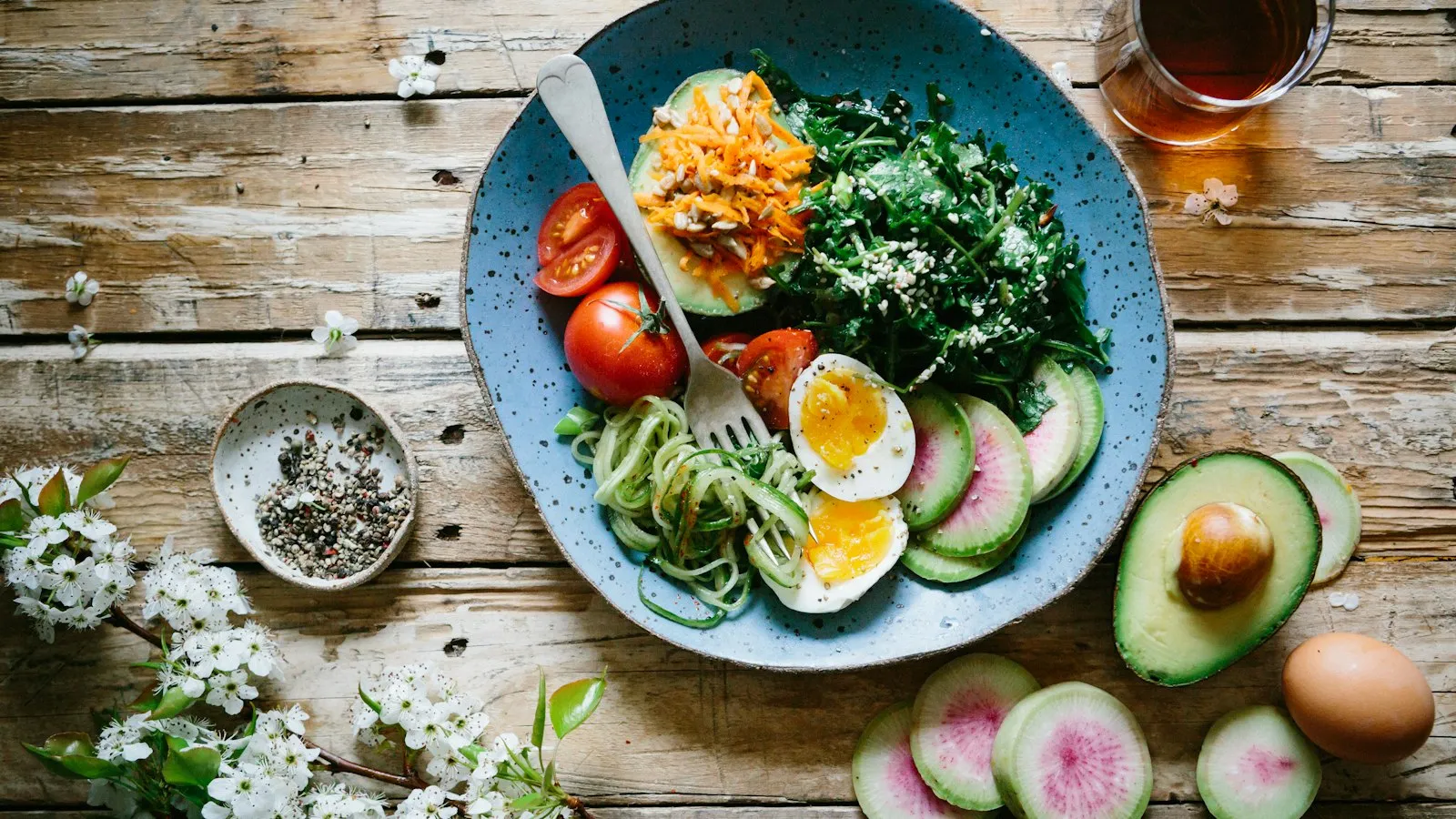
Protein Timing: Does It Matter When You Eat It?
The anabolic window, per-meal targets and why spreading protein through the day may help.
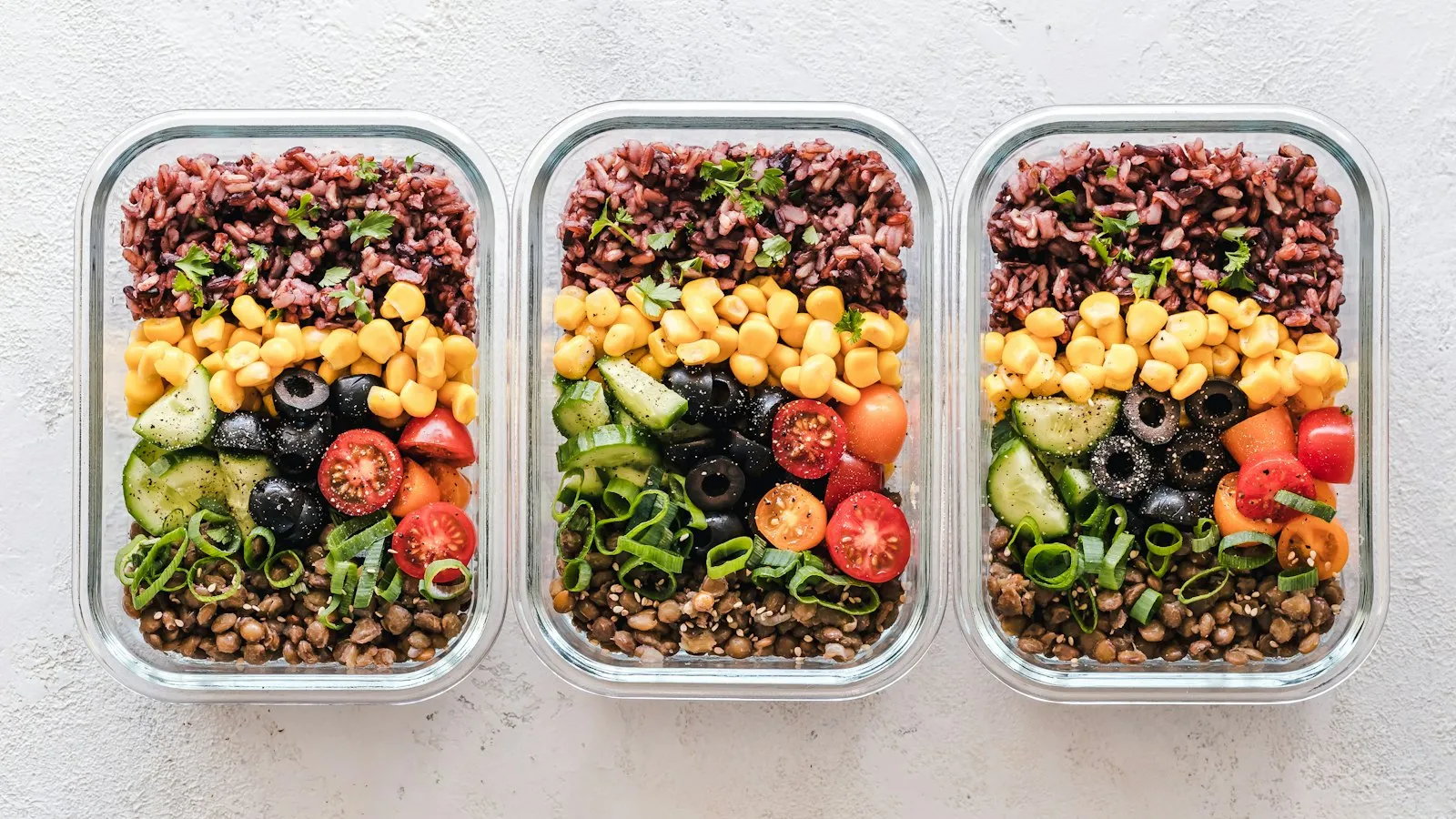
The 90-Minute Sunday Meal Prep System
Cook once, eat well all week. A step-by-step workflow, shopping list and storage guide.