Kitchen
How Much Protein Do You Need to Build Muscle?
October 5, 2026 · 6 min read · Nutrition & Recipes
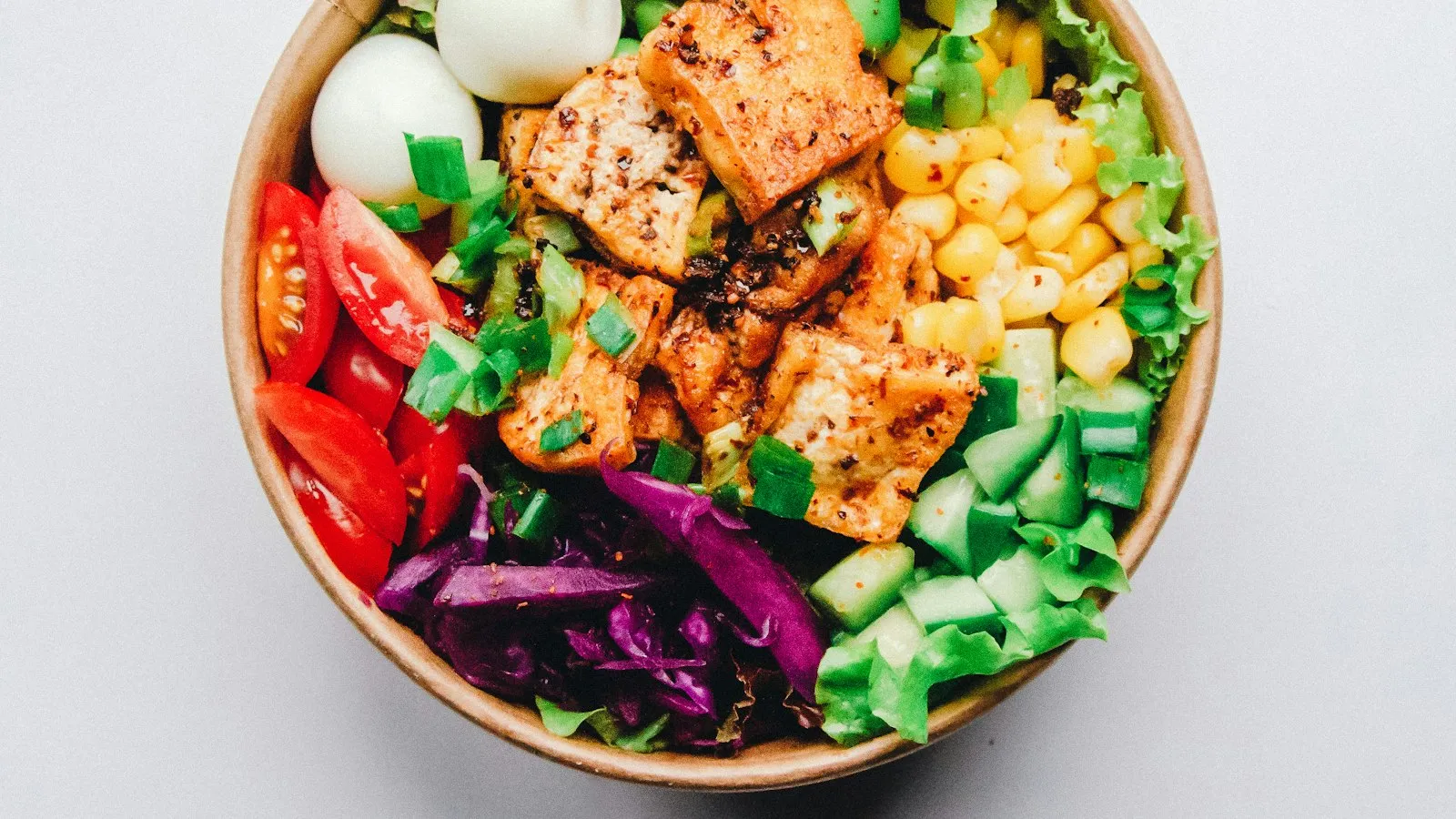
Protein is the nutrient everyone in fitness talks about, and the advice ranges from “you get enough already” to “eat a kilo of chicken a day”. Both extremes miss the point. For healthy adults who train, the research gives a clear, practical answer — and once you know your number, hitting it is mostly a matter of planning meals around it.
The key study
In 2018, Robert Morton and colleagues published one of the largest analyses on the topic in the British Journal of Sports Medicine: 49 randomised controlled trials with 1,863 participants who did resistance training with or without extra protein.
Morton et al., British Journal of Sports Medicine (2018)
Their main findings:
- Extra protein increased gains in muscle mass and strength from training — modestly, but measurably.
- The benefit levelled off at around 1.6 grams of protein per kilogram of bodyweight per day.
- Because people vary, the authors suggested that going up to about 2.2 g/kg is a reasonable upper target for anyone who wants to be confident they’ve covered their needs.
- Training itself was by far the bigger driver. Protein amplifies the effect of lifting; it doesn’t replace it.
The International Society of Sports Nutrition’s position stand (Jäger et al., 2017) lands in the same place, recommending 1.4–2.0 g/kg/day for most people who exercise.
Your daily target
The chart shows a sensible daily range — from the 1.6 g/kg level where benefits levelled off, up to the 2.2 g/kg upper target — for common bodyweights.
Calculated from the ranges in Morton et al. (2018). Values rounded to the nearest gram.
View as table
| Item | g |
|---|---|
| 55 kg (121 lb) | 88–121 |
| 65 kg (143 lb) | 104–143 |
| 75 kg (165 lb) | 120–165 |
| 85 kg (187 lb) | 136–187 |
| 95 kg (209 lb) | 152–209 |
Work out your own number in three steps
- Take your bodyweight in kilograms. (Pounds ÷ 2.2 = kilograms.)
- Multiply by 1.6 for your minimum effective target.
- Multiply by 2.0–2.2 if you want a little headroom — useful when you’re eating fewer calories, because higher protein helps you keep muscle while losing fat.
Example: a 70 kg person → 70 × 1.6 = 112 g minimum, and up to about 154 g.
If you’re carrying significant body fat, many practitioners base the calculation on a goal or lean bodyweight instead, since total weight can overestimate needs.
Spread it across the day
Total intake matters most, but distribution helps. In a 2013 study by Areta and colleagues, trained men who ate four 20 g servings every three hours after training had a higher muscle-building response than those who ate the same total in eight small servings or two large ones. The ISSN suggests about 20–40 g per meal across three or four meals.
| Meals per day | Protein per meal (for ~130 g/day) |
|---|---|
| 3 | ~43 g |
| 4 | ~33 g |
| 5 (3 meals + 2 snacks) | ~26 g |
Four meals of 30–35 g is the sweet spot for most people.
How to hit it with real food
Most people find it easiest to aim for a palm-sized portion of protein at every meal plus one protein-rich snack.
Typical values; check labels, as brands and preparation vary.
View as table
| Item | g |
|---|---|
| Chicken breast, 100 g cooked | 31 |
| Canned tuna, 100 g drained | 25 |
| Cottage cheese, 200 g | 22 |
| Tempeh, 100 g | 19 |
| Lentils, 200 g cooked | 18 |
| Greek yoghurt (non-fat), 170 g | 17 |
| Eggs, 2 large | 12 |
| Milk, 250 ml | 8 |
A 130 g day, without supplements
| Meal | What | Protein |
|---|---|---|
| Breakfast | 250 g Greek yoghurt, oats, berries | ~30 g |
| Lunch | Chicken (120 g cooked) wrap with salad | ~38 g |
| Snack | 200 g cottage cheese with fruit | ~22 g |
| Dinner | Salmon (130 g), potatoes, greens | ~32 g |
| Evening | Glass of milk | ~8 g |
| Total | ~130 g |
Protein on a budget
Protein doesn’t have to be expensive. Per gram of protein, the cheapest sources are usually:
- Dried or tinned lentils, beans and chickpeas
- Eggs
- Milk and own-brand Greek yoghurt or cottage cheese
- Chicken thighs (often cheaper than breast)
- Tinned tuna, sardines and mackerel
- Tofu
Buy meat and fish in larger packs and freeze in portions. Compare foods by cost per 20 g of protein, not price per pack.
Common mistakes
- Front-loading at dinner. Many people eat 10 g at breakfast and 60 g at dinner. Moving some protein earlier is the easiest fix.
- Counting “protein” snacks that are mostly sugar. Check the label: a bar with 10 g protein and 30 g sugar isn’t a protein food.
- Ignoring training. Protein supports muscle growth; it doesn’t cause it. You still need progressive strength training.
- Chasing extreme numbers. In Morton’s data, benefit levelled off around 1.6 g/kg. Going far beyond 2.2 g/kg mostly crowds out other foods.
Do you need protein powder?
No. It’s simply a convenient food. If whole foods get you to your target, that’s perfect. If you struggle — busy days, plant-based diets, low appetite — a shake is an easy top-up of 20–25 g.
Is high protein safe?
For healthy adults, the intakes discussed here are well within ranges studied in research and recommended by sports-nutrition bodies. If you have kidney disease or another medical condition, talk to your doctor before changing your diet.
FAQ
Do women need less protein per kilogram? The research recommendations are per kilogram of bodyweight and apply to everyone. A lighter person simply needs fewer grams in total.
Does protein timing around workouts matter? Less than total intake. Eating a protein-rich meal within a couple of hours either side of training is a sensible, low-effort habit.
Can I eat all my protein in one meal? You can, and you’ll still get much of the benefit, but spreading it across three or four meals appears to be slightly better for muscle building.
I’m vegetarian — is 1.6 g/kg still the target? Yes. Some practitioners suggest aiming a little higher on fully plant-based diets. See our plant protein guide.
The bottom line
- Aim for about 1.6 g of protein per kg of bodyweight per day; up to ~2.2 g/kg is a reasonable upper target.
- Spread it across 3–4 meals of 20–40 g.
- Build meals around a palm-sized protein portion, and use cheap staples like eggs, dairy, legumes and tinned fish.
- Food first; powder only if it helps.
Sources
- Morton RW et al. (2018). A systematic review, meta-analysis and meta-regression of the effect of protein supplementation on resistance training-induced gains in muscle mass and strength. British Journal of Sports Medicine. doi:10.1136/bjsports-2017-097608
- Jäger R et al. (2017). International Society of Sports Nutrition Position Stand: protein and exercise. Journal of the International Society of Sports Nutrition. doi:10.1186/s12970-017-0177-8
- Areta JL et al. (2013). Timing and distribution of protein ingestion during prolonged recovery from resistance exercise alters myofibrillar protein synthesis. The Journal of Physiology. doi:10.1113/jphysiol.2012.244897
This article is general education for healthy adults, not medical advice. Check with a qualified professional before starting a new exercise or nutrition plan, especially if you have a medical condition. Full disclaimer.
Keep reading
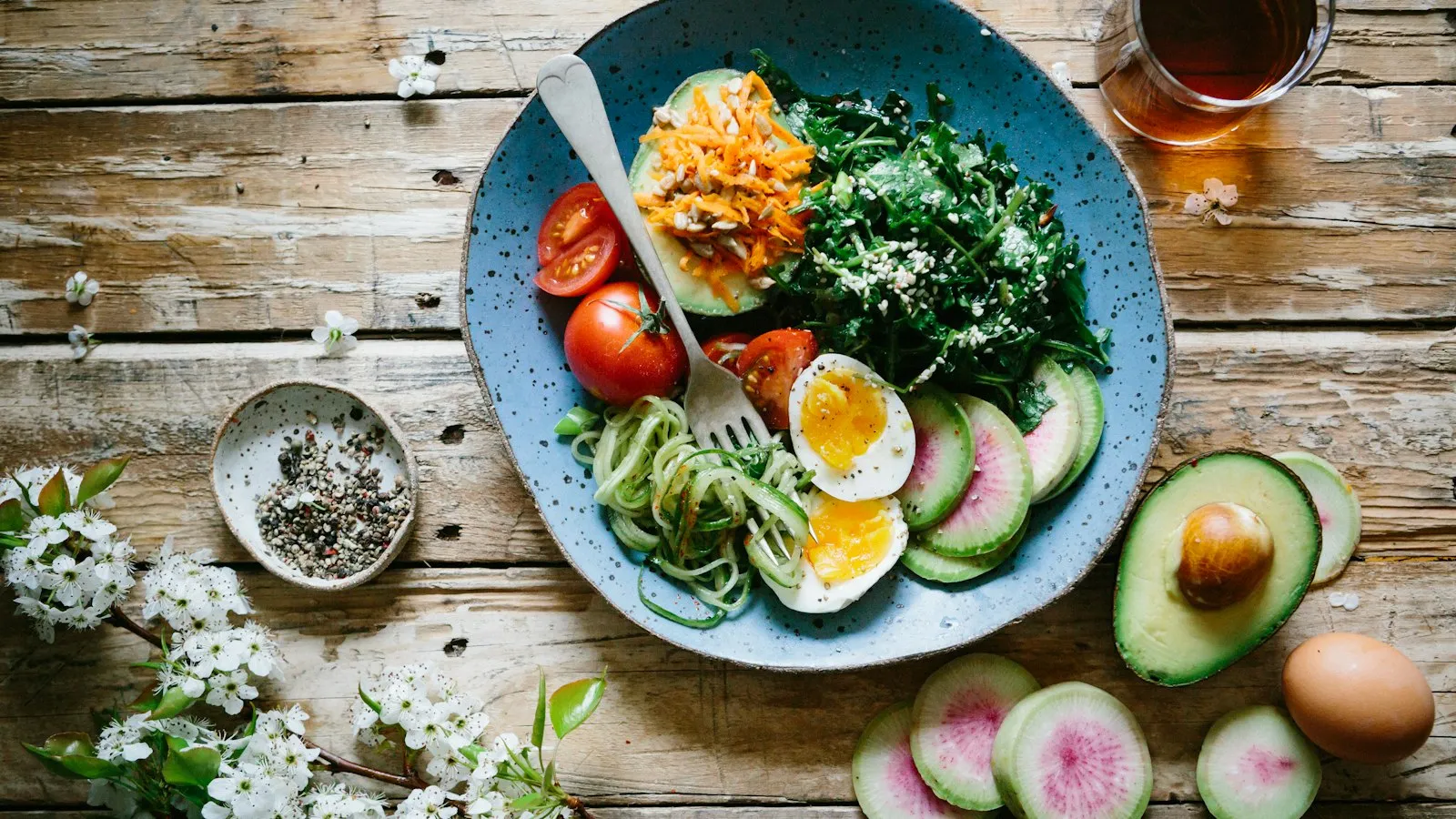
Protein Timing: Does It Matter When You Eat It?
The anabolic window, per-meal targets and why spreading protein through the day may help.
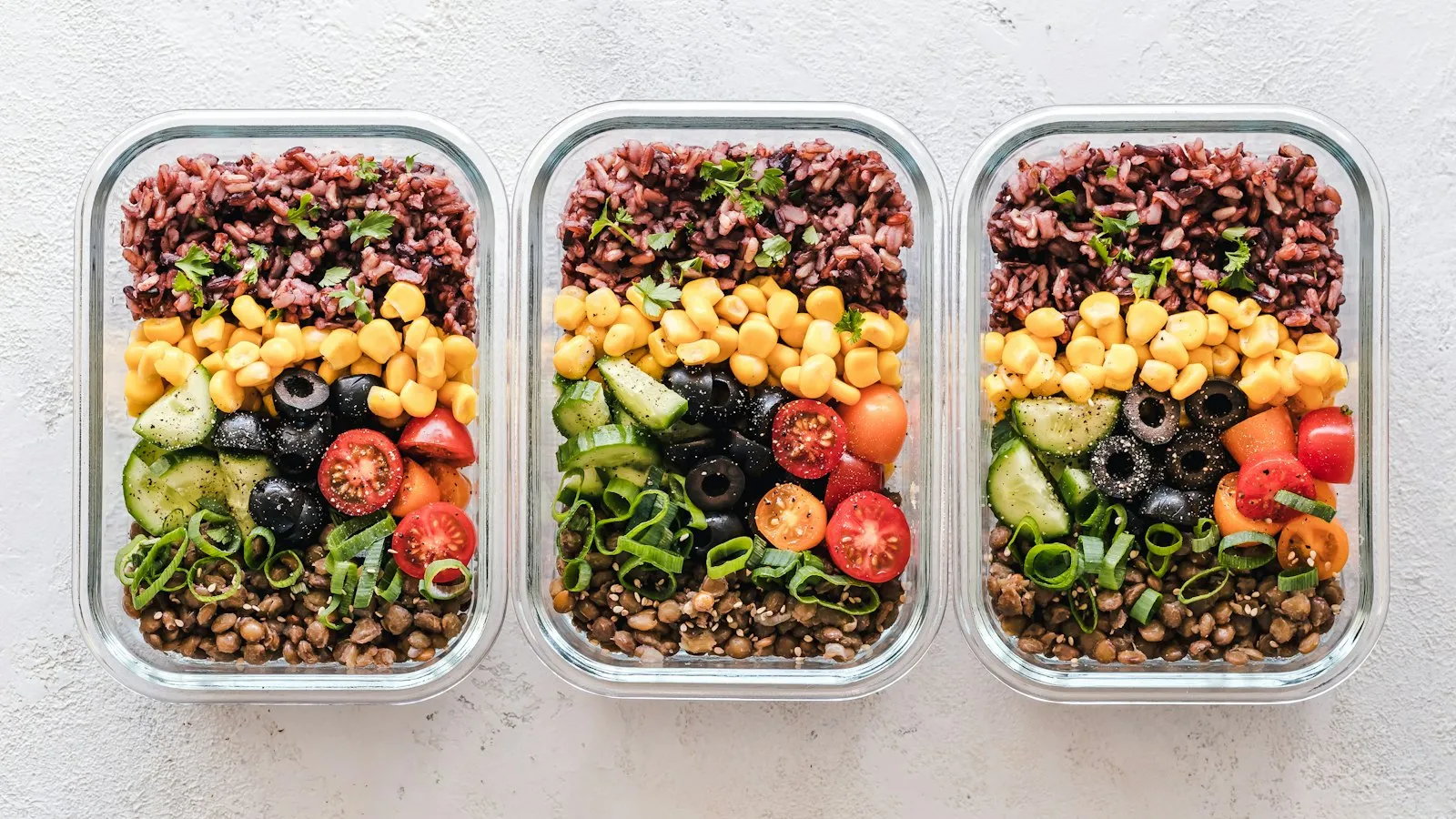
The 90-Minute Sunday Meal Prep System
Cook once, eat well all week. A step-by-step workflow, shopping list and storage guide.
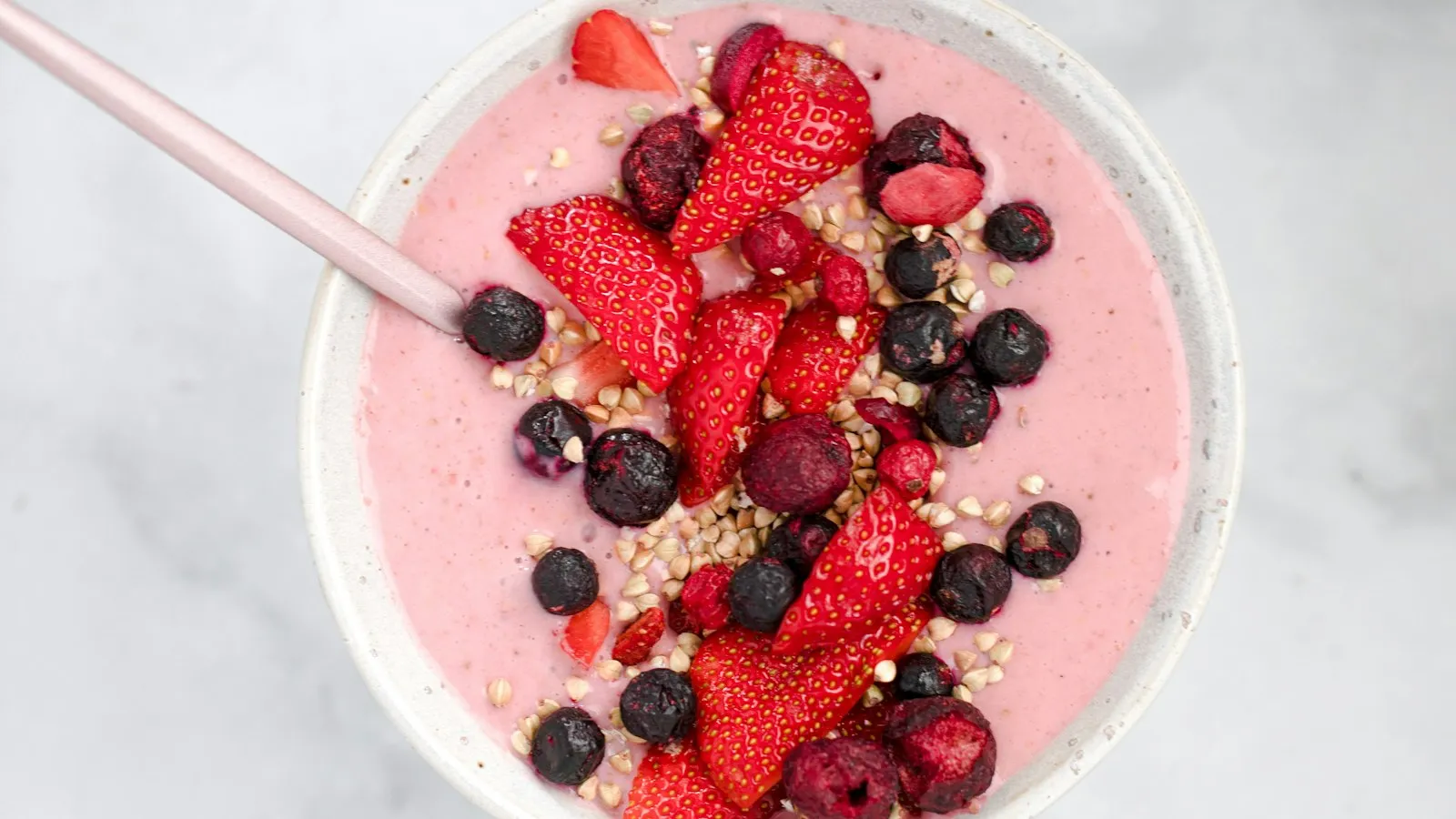
7 High-Protein Breakfasts in 10 Minutes or Less
Quick breakfasts with 25–40 g of protein each — no protein powder required. Recipes, a comparison chart and a weekly plan.