Kitchen
Plant-Based Protein: How to Hit Your Target Without Meat
September 19, 2026 · 4 min read · Nutrition & Recipes
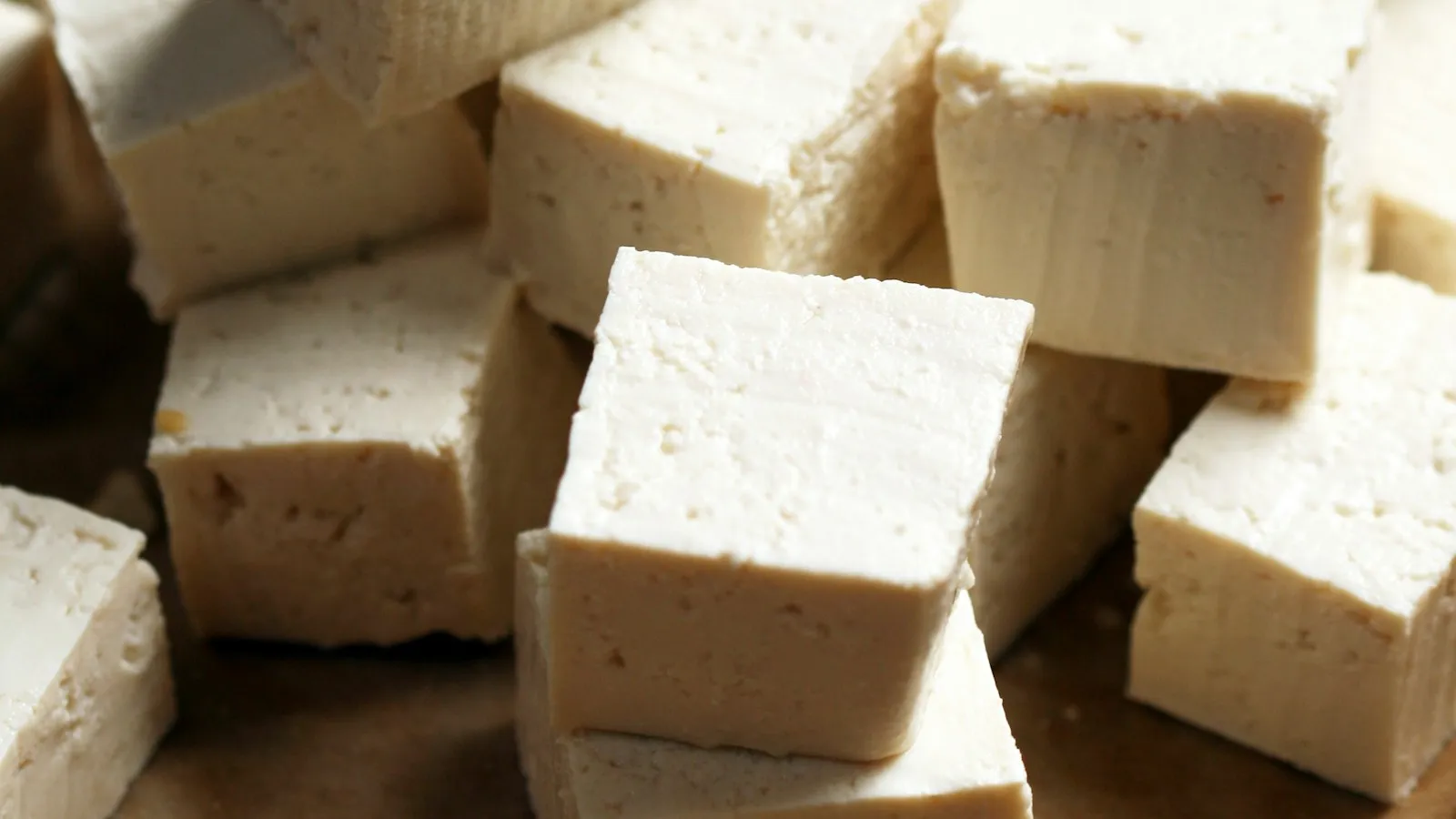
You can absolutely build muscle on a vegetarian or vegan diet. It just takes a little more planning. Here’s how to do it well.
The two differences to know
- Plant proteins are often less concentrated. A portion of lentils has protein, but also a lot of carbohydrate and fibre, so you need a bigger portion to get the same amount of protein.
- Amino acid profiles differ. Many plant proteins are lower in one or more essential amino acids (grains tend to be lower in lysine, legumes lower in methionine), and many contain less leucine than animal proteins. The ISSN position stand on protein notes that eating a variety of plant proteins across the day — and slightly larger servings — helps cover these gaps (Jäger et al., 2017).
The best plant protein sources
Approximate values from standard food-composition data. Brands vary — check the label on yours.
View as table
| Item | g |
|---|---|
| Firm tofu, 150 g | 26 |
| Seitan, 100 g | 25 |
| Tempeh, 100 g | 20.3 |
| Lentils (cooked), 200 g | 18 |
| Edamame (shelled), 150 g | 17.9 |
| Chickpeas (cooked), 200 g | 17.8 |
| Food | Portion | Protein | Also gives you |
|---|---|---|---|
| Firm tofu | 150 g | ~26 g | Calcium (if calcium-set) |
| Seitan | 100 g | ~25 g | Very little fat or carb |
| Tempeh | 100 g | ~20 g | Fibre; fermented |
| Lentils, cooked | 200 g | ~18 g | Fibre, iron, folate |
| Edamame, shelled | 150 g | ~18 g | Fibre |
| Chickpeas, cooked | 200 g | ~18 g | Fibre |
| Soy milk | 250 ml | ~7–8 g | Often fortified with calcium and B12 |
| Pea or soy protein powder | 30 g scoop | ~20–25 g | Convenience |
| Peanut butter | 2 tbsp | ~7 g | Healthy fats |
Soy stands out: it has a complete amino acid profile and is one of the most concentrated plant proteins. Seitan is very high in protein but is made from wheat gluten, so it isn’t suitable for anyone with coeliac disease or a wheat allergy.
How much to aim for
The same targets apply: in Morton’s 2018 meta-analysis, the benefit of extra protein for muscle gains levelled off at around 1.6 g per kg of bodyweight per day (Morton et al., 2018). Some practitioners suggest aiming toward the upper end (around 1.8–2.0 g/kg) on a fully plant-based diet to allow for the lower digestibility of some plant proteins.
| Bodyweight | 1.6 g/kg | 2.0 g/kg |
|---|---|---|
| 55 kg | 88 g | 110 g |
| 70 kg | 112 g | 140 g |
| 85 kg | 136 g | 170 g |
Combining without stress
You don’t need to combine proteins at every meal. Eating a mix of legumes, soy, grains, nuts and seeds over the day does the job. Classic pairings happen naturally anyway: beans on toast, dal with rice, hummus with pitta.
A sample vegan day (~125 g)
| Meal | Food | Protein |
|---|---|---|
| Breakfast | Tofu scramble (200 g tofu) + wholegrain toast | ~30 g |
| Lunch | Lentil and quinoa salad (200 g lentils, 150 g cooked quinoa) | ~25 g |
| Snack | Soy yoghurt + pea protein shake | ~30 g |
| Dinner | Tempeh stir-fry (150 g tempeh) with edamame and rice | ~40 g |
Easy upgrades
- Swap the milk: soy milk has around three times the protein of oat or almond milk.
- Add a legume to everything: a tin of chickpeas in a curry, white beans in a pasta sauce, lentils in a bolognese.
- Use tofu in smoothies: silken tofu blends invisibly and adds protein.
- Top with seeds: hemp and pumpkin seeds add protein to salads and porridge.
- Keep a protein powder for days when meals fall short.
Make tofu taste good
Most people who “don’t like tofu” have only had it soft and bland. Press firm tofu for 15 minutes, cut it into cubes, toss in a little cornflour and soy sauce, and roast or pan-fry until crisp. Then add a bold sauce.
Don’t forget
Fully plant-based diets need attention to vitamin B12 (supplement or fortified foods), and it’s worth checking iron, calcium, iodine, zinc and omega-3 intake. A registered dietitian can help if you’re unsure.
FAQ
Is soy safe to eat regularly? Soy foods such as tofu, tempeh, edamame and soy milk are eaten daily by large populations around the world. If you have a specific medical condition, ask your doctor.
Do I need protein powder? No — it’s a convenience, not a requirement.
Vegetarian rather than vegan? Eggs, Greek yoghurt, skyr and cottage cheese make hitting your target much easier.
The bottom line
Choose soy, seitan, tempeh and legumes as anchors, eat a variety across the day, use slightly bigger portions, and add a plant protein powder if it helps.
Sources
- Jäger R et al. (2017). International Society of Sports Nutrition Position Stand: protein and exercise. Journal of the International Society of Sports Nutrition. doi:10.1186/s12970-017-0177-8
- Morton RW et al. (2018). A systematic review, meta-analysis and meta-regression of the effect of protein supplementation on resistance training-induced gains in muscle mass and strength. British Journal of Sports Medicine. doi:10.1136/bjsports-2017-097608
This article is general education for healthy adults, not medical advice. Check with a qualified professional before starting a new exercise or nutrition plan, especially if you have a medical condition. Full disclaimer.
Keep reading
How Much Protein Do You Need to Build Muscle?
What the biggest meta-analysis on protein and strength training found — plus a bodyweight chart, food chart and a simple daily plan.
Protein Timing: Does It Matter When You Eat It?
The anabolic window, per-meal targets and why spreading protein through the day may help.
The 90-Minute Sunday Meal Prep System
Cook once, eat well all week. A step-by-step workflow, shopping list and storage guide.