Workout Plans
How to Choose the Right Workout Program for You
August 28, 2026 · 4 min read · Training
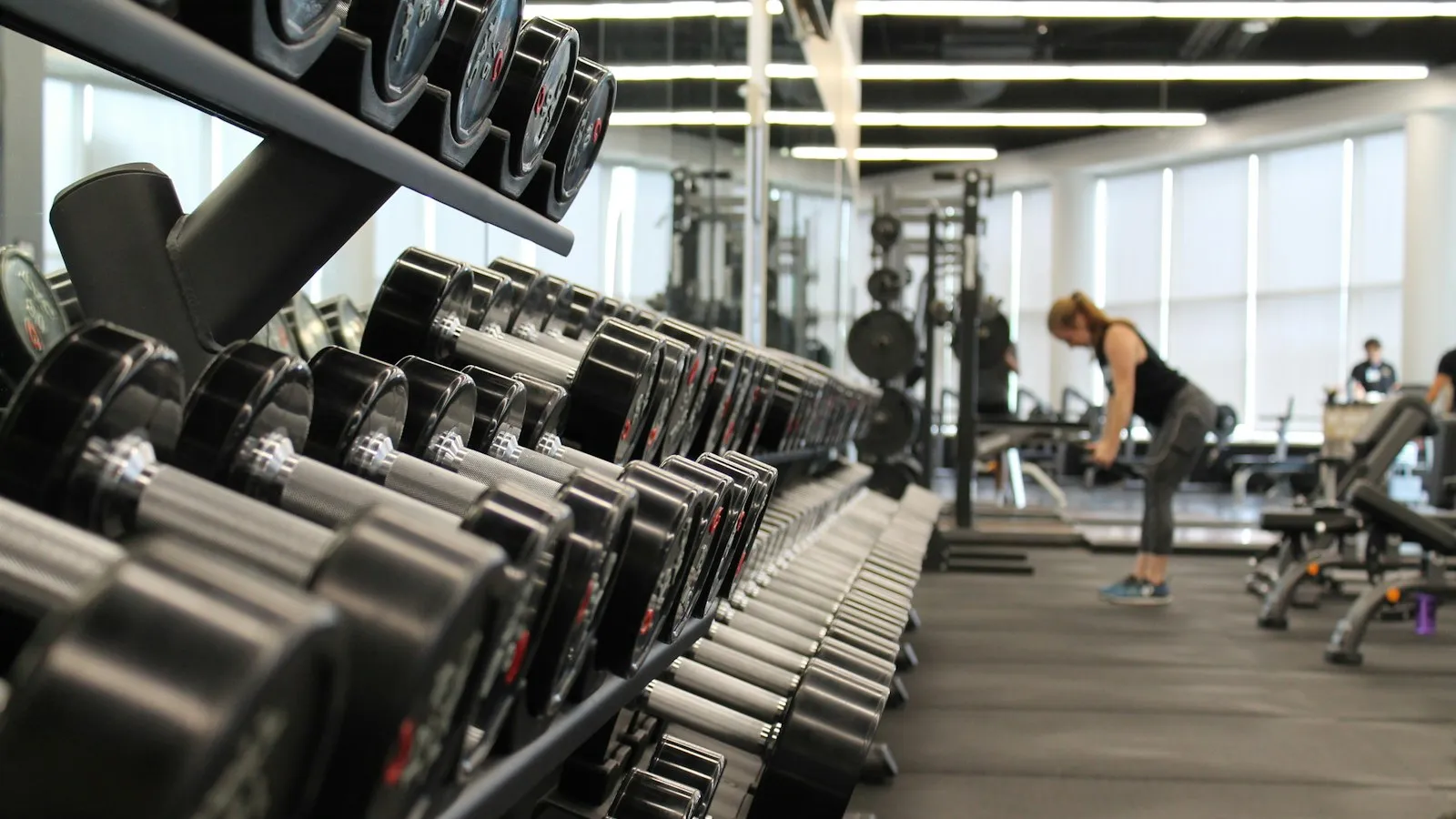
There’s no single “best” workout program. The best one is the program that fits your goals, schedule and equipment — and that you’ll still be doing in three months. These five questions will help you choose.
1. What’s your main goal?
| Goal | What to look for |
|---|---|
| General health and fitness | Full-body strength 2–3×/week plus regular cardio |
| Build muscle | 10+ hard sets per muscle per week, each muscle 2×/week |
| Get stronger | Heavy compound lifts, lower reps, longer rest |
| Move better, less stiffness | Mobility work plus light strength training |
| Lose fat | Strength training to keep muscle, more daily activity, and a diet you can sustain |
The muscle-building numbers come from two meta-analyses: around 10 or more hard sets per muscle per week produced the most growth (Schoenfeld et al., 2017), and training each muscle at least twice a week beat once a week (Schoenfeld et al., 2016).
2. How many days can you realistically train?
Be honest — plan for your average week, not your best one.
| Days per week | Best structure |
|---|---|
| 2 | Full body |
| 3 | Full body |
| 4 | Upper / lower |
| 5–6 | Push / pull / legs, or upper / lower plus extras |
Each of these structures can train every muscle at least twice per week. And if life gets busy, research on the minimum effective dose shows that even a single hard set per exercise, two or three times a week, can still build strength (Androulakis-Korakakis et al., 2020).
3. What equipment do you have?
- Nothing: a bodyweight program with clear progressions to harder versions.
- Dumbbells at home: a dumbbell program built around double progression.
- Full gym: a barbell-based strength program with machines and cables for extra volume.
4. How experienced are you?
| Level | Typical program |
|---|---|
| Beginner (under 1 year) | Simple full-body plan, fewer exercises, focus on technique; progress quickly on modest volume |
| Intermediate (1–3 years) | Splits, more volume, planned lighter weeks |
| Advanced | Specialised programming and periodisation |
5. What do you enjoy?
Enjoyment predicts consistency. If you hate barbell squats but love lunges, choose a program that uses lunges. If classes energise you, use them for your cardio. A slightly “worse” plan you follow beats a “perfect” one you quit.
Signs of a good program
- Clear sets, reps and rest for every exercise.
- A built-in progression method — more weight, reps or harder versions over time.
- Balance between pushing, pulling, legs and core.
- Planned lighter weeks.
- Guidance on warming up and technique.
- A defined length (8–12 weeks) and a way to measure progress.
Signs to avoid
- Promises of dramatic results in days.
- Daily all-out workouts with no recovery.
- No progression — the same thing every week.
- No explanation of why the program is structured the way it is.
Matching programs to people
| You are… | Start with |
|---|---|
| New to training, no equipment | A bodyweight program, 3×/week |
| New to training, a pair of dumbbells | Full-body dumbbell program, 3×/week |
| Comfortable in a gym, want strength | Barbell strength program, 3×/week |
| Training 4 days a week, want muscle | Upper/lower split |
| Short on time | Full body 2×/week with hard, focused sets |
Don’t forget the WHO baseline
Whatever program you choose, aim for at least 150 minutes of moderate activity a week plus strength training on two or more days (Bull et al., 2020). Walking on rest days is the easiest way to get there.
Give it time
Stick with any sensible program for at least 8–12 weeks before judging it. Switching every two weeks is one of the most common reasons people don’t progress — you never give your body time to adapt to anything.
How to know it’s working
- Your logged weights or reps are going up.
- Everyday tasks feel easier.
- You’re recovering between sessions.
- You still want to train.
FAQ
Should I combine two programs? Usually not — you’ll double the fatigue. Pick one and follow it as written.
Can I swap exercises? Yes, for one that trains the same muscles in a similar way. Keep the sets and reps.
The bottom line
Match the program to your goal, schedule, equipment and experience, then commit for 12 weeks. Consistency with a good program beats perfection that never starts.
Sources
- Schoenfeld BJ, Ogborn D, Krieger JW (2016). Effects of resistance training frequency on measures of muscle hypertrophy: a systematic review and meta-analysis. Sports Medicine. doi:10.1007/s40279-016-0543-8
- Schoenfeld BJ, Ogborn D, Krieger JW (2017). Dose-response relationship between weekly resistance training volume and increases in muscle mass. Journal of Sports Sciences. doi:10.1080/02640414.2016.1210197
- Bull FC et al. (2020). World Health Organization 2020 guidelines on physical activity and sedentary behaviour. British Journal of Sports Medicine. doi:10.1136/bjsports-2020-102955
- Androulakis-Korakakis P, Fisher JP, Steele J (2020). The minimum effective training dose required to increase 1RM strength in resistance-trained men. Sports Medicine. doi:10.1007/s40279-019-01236-0
This article is general education for healthy adults, not medical advice. Check with a qualified professional before starting a new exercise or nutrition plan, especially if you have a medical condition. Full disclaimer.
Keep reading
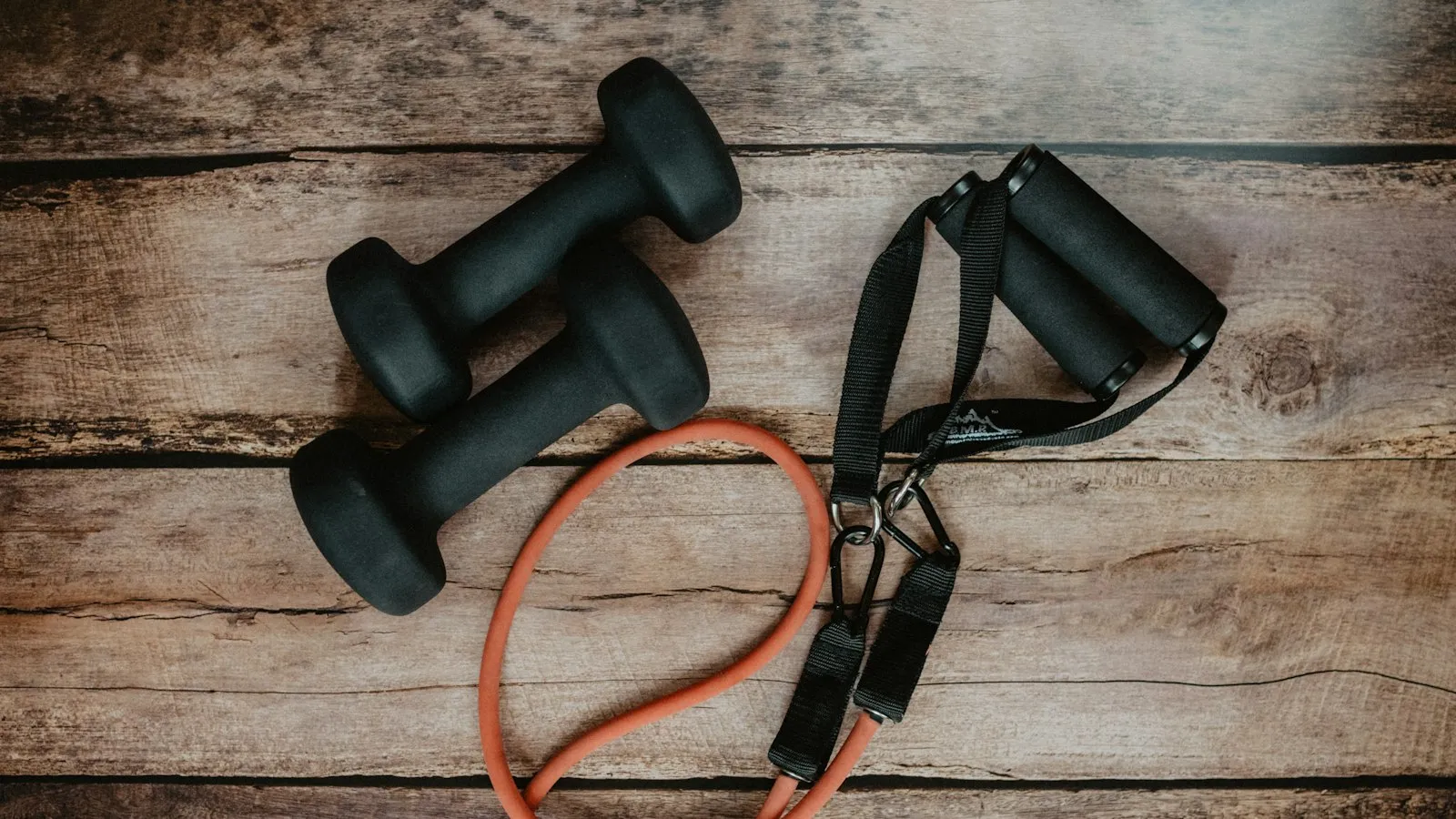
The Beginner Full-Body Dumbbell Workout (3 Days a Week)
A complete starter routine you can do at home with one pair of dumbbells — with sets, reps and how to progress.

How Much Exercise Do You Actually Need? What the WHO Guidelines Say
The global minimums for cardio and strength training, translated into a week you can actually schedule — plus an 8-week starter plan.
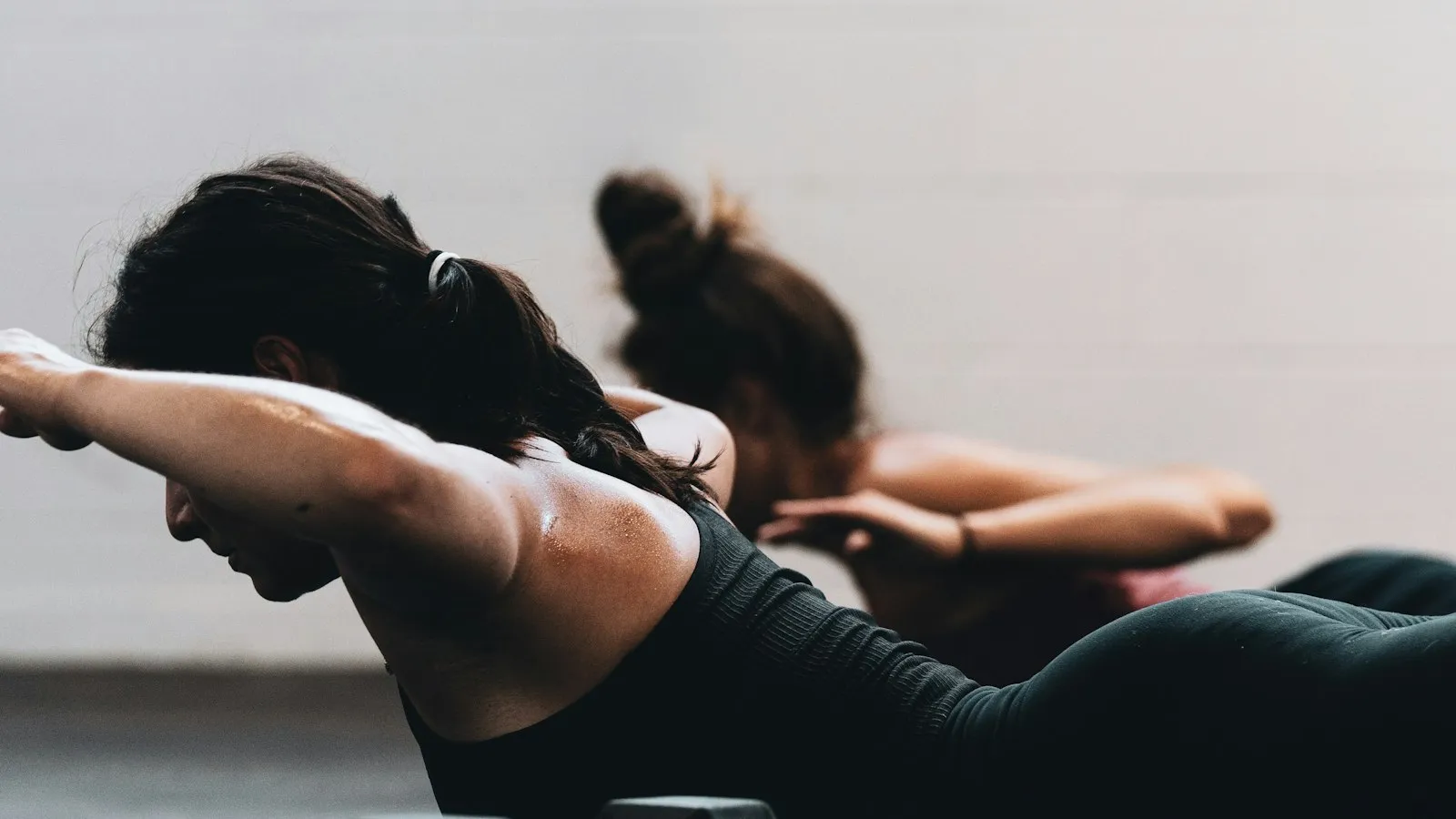
The 20-Minute No-Equipment Workout You Can Do Anywhere
A full-body bodyweight circuit with beginner, intermediate and advanced options.