Working Women
Tired All the Time? Iron, Energy and Women's Health
October 5, 2026 · 5 min read · Working Women
Feeling exhausted is so common among busy women that it’s easy to shrug off. Often the cause is simply too little sleep and too much to do. But sometimes there’s a physical reason worth checking — and low iron is one of the most common.
Why women are at higher risk
Iron deficiency is one of the most common nutritional deficiencies worldwide and the leading cause of anaemia (Pasricha et al., 2021). Women of reproductive age are at particular risk because of iron lost in menstrual blood, and needs rise sharply during pregnancy. Heavy periods, a diet low in iron-rich foods, frequent blood donation and some digestive conditions all increase the risk.
Recommended intakes reflect this: the US National Institutes of Health suggests 18 mg a day for women aged 19–50, compared with 8 mg for men.
Signs that might point to low iron
- Tiredness that doesn’t improve with rest
- Feeling breathless or exhausted during exercise you used to manage
- Pale skin or pale inner eyelids
- Headaches, feeling cold, or difficulty concentrating
- Brittle nails or unusual cravings for ice
These symptoms have many possible causes, so don’t guess — get tested. A simple blood test (usually including ferritin, a measure of iron stores) can tell you and your doctor what’s going on.
Don’t self-prescribe iron supplements
It’s tempting to buy an iron supplement “just in case”, but too much iron can be harmful, supplements often cause stomach upset, and low iron can be a sign of something that needs investigating, such as heavy bleeding or a digestive problem. Take iron supplements only if your doctor recommends them.
Iron-rich foods
Calculated from USDA FoodData Central values. Iron from meat and fish (haem iron) is absorbed more easily than iron from plants.
View as table
| Item | mg |
|---|---|
| Lentils, cooked, 200 g | 6.6 |
| Chickpeas, cooked, 200 g | 5.8 |
| Firm tofu, 150 g | 4 |
| Spinach, cooked, 90 g | 3.2 |
| Beef mince, cooked, 100 g | 2.6 |
| Pumpkin seeds, 30 g | 2.6 |
| Oats, 50 g | 2.4 |
| Eggs, 2 (100 g) | 1.2 |
Two types of iron
| Type | Found in | Absorption |
|---|---|---|
| Haem iron | Red meat, poultry, fish | Absorbed relatively well |
| Non-haem iron | Beans, lentils, tofu, leafy greens, seeds, fortified cereals | Absorbed less well — but you can boost it |
How to absorb more iron from plants
- Add vitamin C to the same meal. Red pepper, oranges, strawberries, kiwi or broccoli. A red pepper (80 g) has about 100 mg of vitamin C.
- Keep tea and coffee away from iron-rich meals. Have them an hour or so before or after.
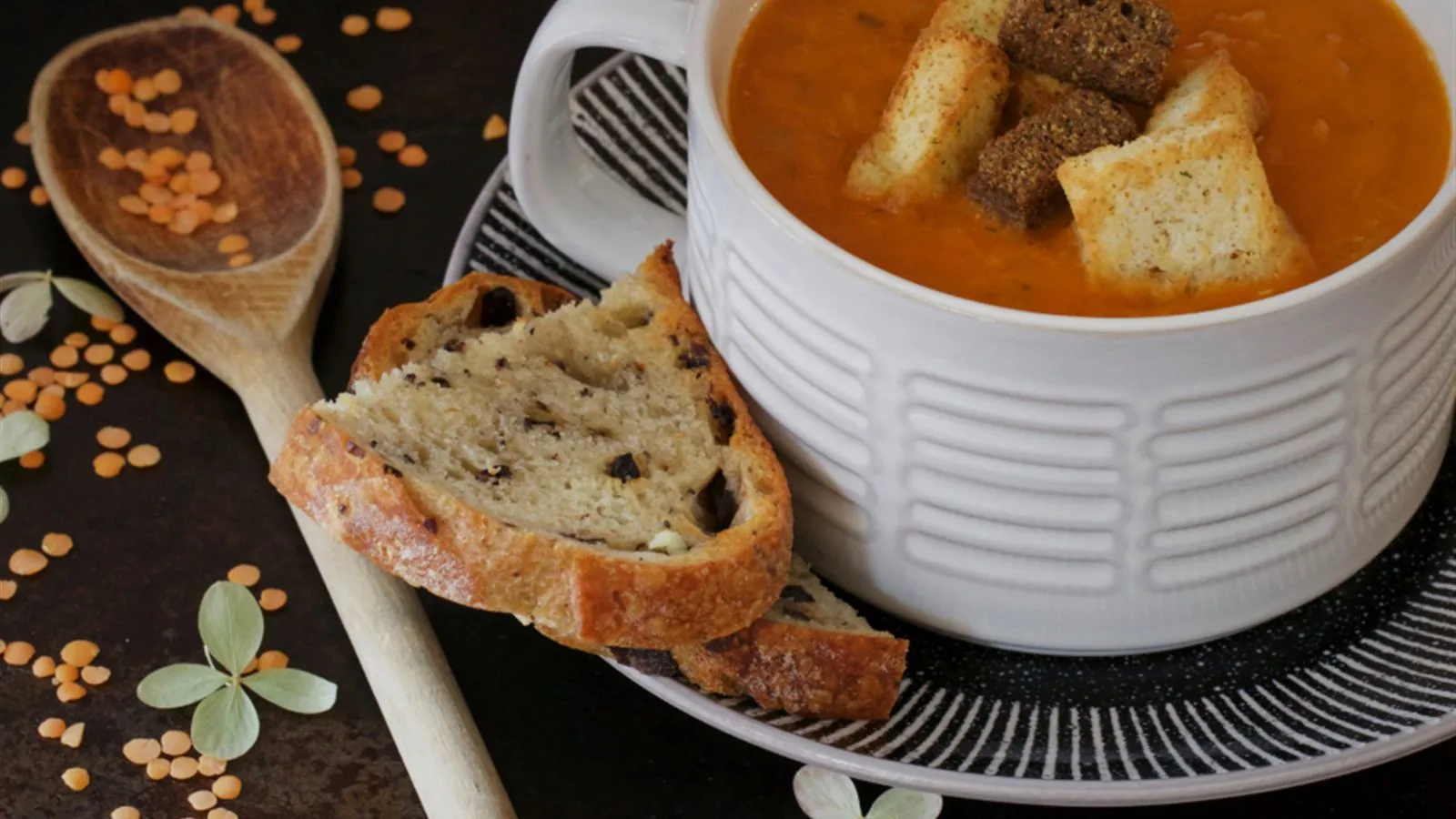
- Eat legumes often. Lentil soups, chickpea curries and bean chillis are cheap, filling iron sources.
An iron-smart workday
| Meal | Example | Iron boost |
|---|---|---|
| Breakfast | Oats with pumpkin seeds and strawberries | Oats + seeds, vitamin C from berries |
| Lunch | Lentil and roasted red pepper salad | Lentils + pepper |
| Snack | Hummus with red pepper sticks | Chickpeas + vitamin C |
| Dinner | Beef or tofu stir-fry with broccoli | Haem iron or tofu + vitamin C |
Other causes of fatigue
If your iron is normal, look at the basics: sleep (most adults need 7+ hours), how much you move, stress, and what you eat across the day. Regular physical activity — the WHO recommends at least 150 minutes a week (Bull et al., 2020) — often improves energy once it becomes routine. And persistent fatigue always deserves a conversation with your doctor.
Questions to ask your doctor
- Could low iron or anaemia explain how I feel?
- Should my ferritin (iron stores) be checked, as well as haemoglobin?
- Are my periods heavy enough to need investigating?
- If I need iron, what dose, for how long, and when should I be retested?
Bring a note of how long you’ve felt tired, how your periods are, and what you typically eat in a day.
Iron for vegetarians and vegans
| Meal | Iron-rich choice | Vitamin C partner |
|---|---|---|
| Breakfast | Fortified cereal or oats with pumpkin seeds | Strawberries or kiwi |
| Lunch | Lentil, chickpea or bean salad | Red pepper, tomatoes |
| Dinner | Tofu or tempeh stir-fry, dal or bean chilli | Broccoli, peppers, a squeeze of lemon |
| Snack | Hummus with wholegrain crackers | Orange segments |
Plant iron is absorbed less efficiently, so pairing every iron-rich meal with vitamin C matters even more.
Exercise and iron
Regular exercise is good for energy, but if you’re low in iron, hard sessions can feel unusually exhausting and recovery slower. Many women who were diagnosed and treated say training felt much easier afterwards. Keep moving at a comfortable level — the WHO’s 150 minutes a week of moderate activity (Bull et al., 2020) — while you get checked.
Track how you feel
For two weeks, rate your energy (1–5) each evening and note your sleep, period days and what you ate. Patterns are useful for you and for your doctor. Our free nutrition tracker shows your daily iron from logged foods.
FAQ
Can vegetarians get enough iron? Yes, with planning: legumes, tofu, seeds, whole grains and fortified foods, paired with vitamin C.
Should I avoid tea completely? No — just don’t drink it with your most iron-rich meals.
Does cooking in a cast-iron pan help? It may add small amounts of iron to food, especially acidic dishes like tomato sauce. It’s not a substitute for testing or treatment.
The bottom line
If you’re tired all the time, ask your doctor for a blood test rather than guessing. Eat iron-rich foods regularly, pair plant iron with vitamin C, and keep tea and coffee away from iron-rich meals.
Sources
- Pasricha SR et al. (2021). Iron deficiency. The Lancet. doi:10.1016/S0140-6736(20)32594-0
- Bull FC et al. (2020). World Health Organization 2020 guidelines on physical activity and sedentary behaviour. British Journal of Sports Medicine. doi:10.1136/bjsports-2020-102955
This article is general education for healthy adults, not medical advice. Check with a qualified professional before starting a new exercise or nutrition plan, especially if you have a medical condition. Full disclaimer.
Keep reading
Morning or Evening Workouts? Pick the One You'll Keep
The best time to train is the one that survives your real week. How to choose, and how to turn it into an automatic habit.
Strength Training After 40: Muscle, Bones and Menopause
Why lifting matters more with every decade, what the LIFTMOR trial found about bone density, and how to start safely.
Exercise for Stress and Low Mood: What a Huge Review Found
An overview of 97 reviews covering more than 128,000 people found physical activity meaningfully reduced depression, anxiety and distress. Here's how to use it.