Fitness
Heavy vs Light Weights: Which Builds More Muscle?
September 20, 2026 · 5 min read · Training
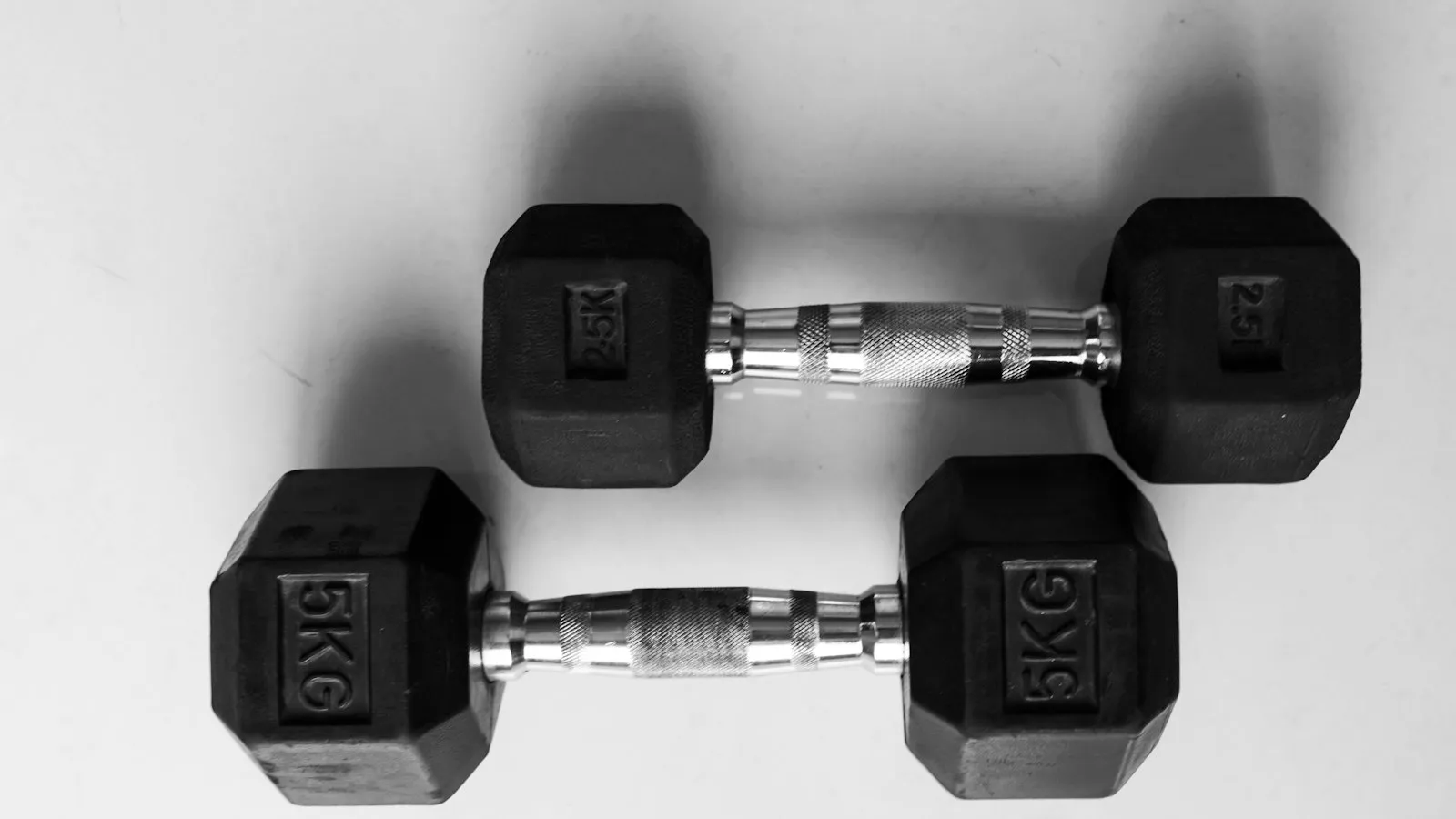
For decades the gym advice was simple: lift heavy for 8–12 reps to build muscle, and light weights are only for “toning”. The research tells a more useful story — and it’s great news if you train at home with limited equipment.
What the meta-analysis found
In 2017, Brad Schoenfeld and colleagues pooled the studies that directly compared low-load training (below 60% of one-rep max — think sets of 20–30+) with high-load training (above 60% — sets of roughly 5–15) in the Journal of Strength and Conditioning Research.
Schoenfeld et al., Journal of Strength and Conditioning Research (2017)
| Outcome | Low load | High load |
|---|---|---|
| Muscle growth | Similar | Similar |
| Maximal strength (1RM) | Smaller gains | Greater gains |
When sets were taken to (or close to) muscular failure, muscle growth was similar across a very wide range of loads. Heavy training produced bigger improvements in maximal strength — which makes sense, because lifting heavy is itself a skill you get better at by practising it.
Why would light weights work?
Muscle growth seems to depend heavily on how hard the working muscle fibres are pushed. Near the end of a challenging set, your body recruits more and more muscle fibres to keep the weight moving. A heavy set gets there quickly; a light set gets there eventually — as long as you keep going until the final reps are a genuine struggle.
The catch: effort
Light weights only work if you push the set hard. Twenty easy reps with a weight you could lift fifty times won’t do much. The last few reps of a set — when the weight slows down and you have to fight for it — are what drive adaptation.
That’s harder with light loads. High-rep sets burn, they’re uncomfortable, and it’s tempting to stop because of the discomfort rather than true fatigue. Be honest: a good high-rep set ends when your form starts to break or the speed drops sharply, not when it starts to sting.
A useful way to judge this is reps in reserve (RIR) — how many more good reps you could have done. For muscle growth, finish most sets with about 0–3 reps in reserve.
A rough guide to loads and reps
The exact numbers vary from person to person and exercise to exercise, but as a rough guide:
| Reps you can do with good form | Approximate load |
|---|---|
| 3–5 | Heavy (roughly 85%+ of your max) |
| 6–10 | Moderately heavy |
| 11–15 | Moderate |
| 20–30+ | Light (below about 60% of your max) |
So which should you use?
| Your goal | Best rep range |
|---|---|
| Maximum strength (a stronger squat, bench or deadlift) | Mostly heavier: about 3–8 reps |
| Muscle size | Anything from about 6 to 30 reps, taken close to failure |
| Home training with light dumbbells | Higher reps, slower tempo, harder variations |
| Joint-friendly training | Moderate to high reps |
| General health and fitness | A mix of all of the above |
Most good programs combine them: heavier compound lifts for strength, then moderate- and higher-rep work for extra volume.
Making light weights harder
If your dumbbells feel too light, you have options before buying more:
- Slow the lowering phase to 3–4 seconds.
- Pause at the hardest point — the bottom of a squat, chest height in a push-up.
- Use single-limb versions — split squats, single-arm rows, single-leg Romanian deadlifts — to roughly double the load on each side.
- Add “1½ reps”: go all the way down, halfway up, back down, then all the way up. That’s one rep.
- Shorten the rest slightly so you start each set a little fatigued.
- Pre-fatigue: do a set of an isolation move (e.g., glute bridges) just before the main move (e.g., split squats).
When heavy really matters
There are good reasons to lift heavier at least some of the time:
- You want a bigger squat, bench or deadlift. Strength is specific — you need to practise heavy weights to lift heavy weights.
- Time efficiency. Heavy sets reach a hard effort in fewer reps, so sessions can be shorter.
- Less burning discomfort. Some people simply prefer five hard reps to twenty-five.
Common mistakes
- Stopping light sets too early because of the burn.
- Grinding every heavy set to failure, which piles up fatigue and raises injury risk. Leave a rep or two in the tank on big lifts.
- Never changing anything. Whatever load you use, it has to progress over time — more reps, more weight or a harder variation.
FAQ
Will light weights “tone” and heavy weights “bulk”? No. “Toning” is building some muscle and losing some fat. Both light and heavy training build muscle; how lean you look depends mostly on body fat.
Is high-rep training safer? Lighter loads are often easier on the joints and a good choice when learning or returning from a break. Any load can cause problems with poor technique.
Can I build muscle with just bodyweight? Yes — if you choose versions hard enough to finish sets within a few reps of failure. See our 20-minute bodyweight workout.
The bottom line
- Light and heavy weights build similar muscle when sets are hard.
- Heavy weights build more maximal strength.
- Effort is non-negotiable: finish sets within a few reps of failure.
- Short on equipment? Use tempo, pauses, single-limb exercises and 1½ reps.
Sources
- Schoenfeld BJ et al. (2017). Strength and hypertrophy adaptations between low- vs. high-load resistance training: a systematic review and meta-analysis. Journal of Strength and Conditioning Research. doi:10.1519/JSC.0000000000002200
This article is general education for healthy adults, not medical advice. Check with a qualified professional before starting a new exercise or nutrition plan, especially if you have a medical condition. Full disclaimer.
Keep reading
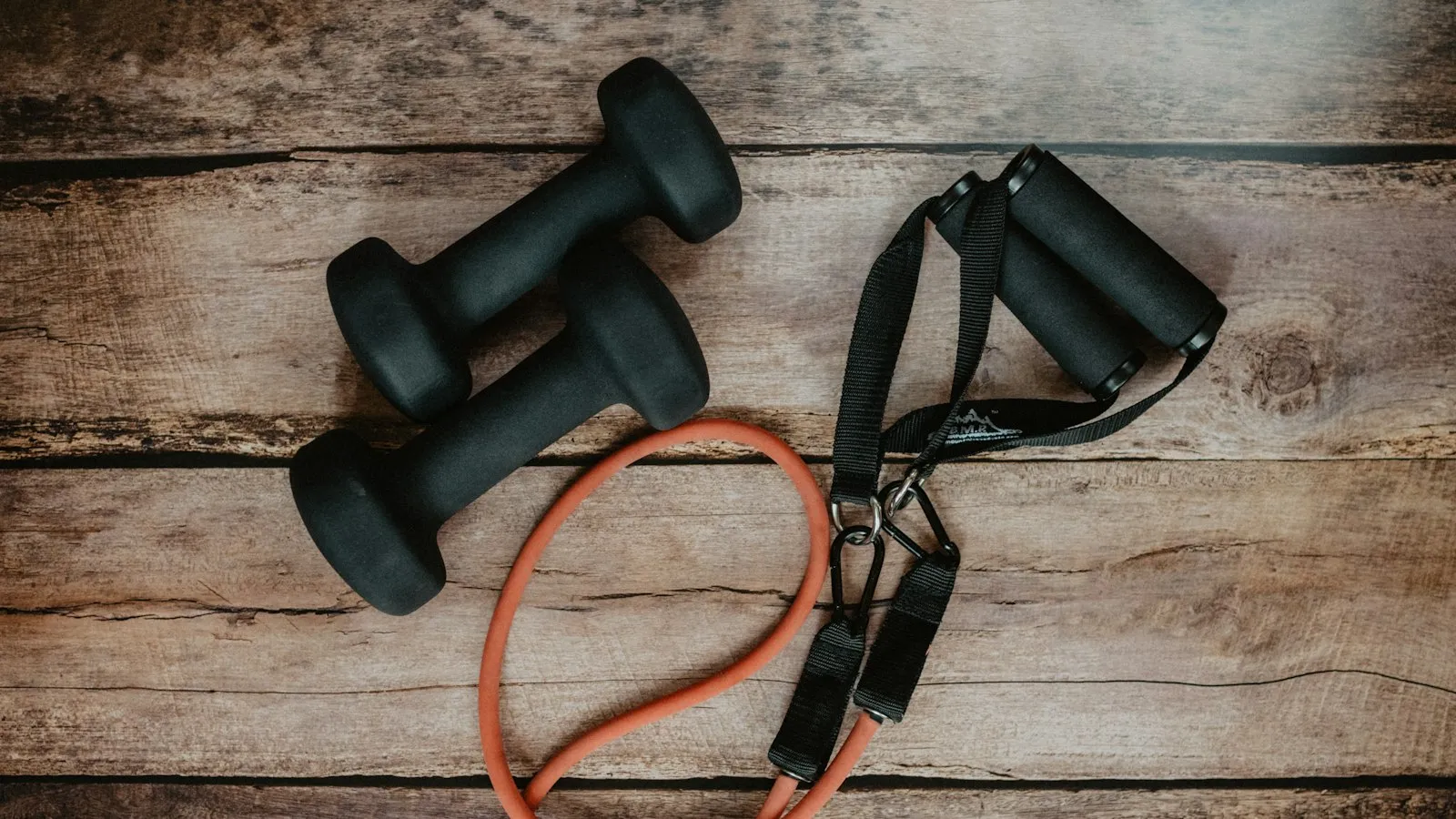
The Beginner Full-Body Dumbbell Workout (3 Days a Week)
A complete starter routine you can do at home with one pair of dumbbells — with sets, reps and how to progress.

How Much Exercise Do You Actually Need? What the WHO Guidelines Say
The global minimums for cardio and strength training, translated into a week you can actually schedule — plus an 8-week starter plan.
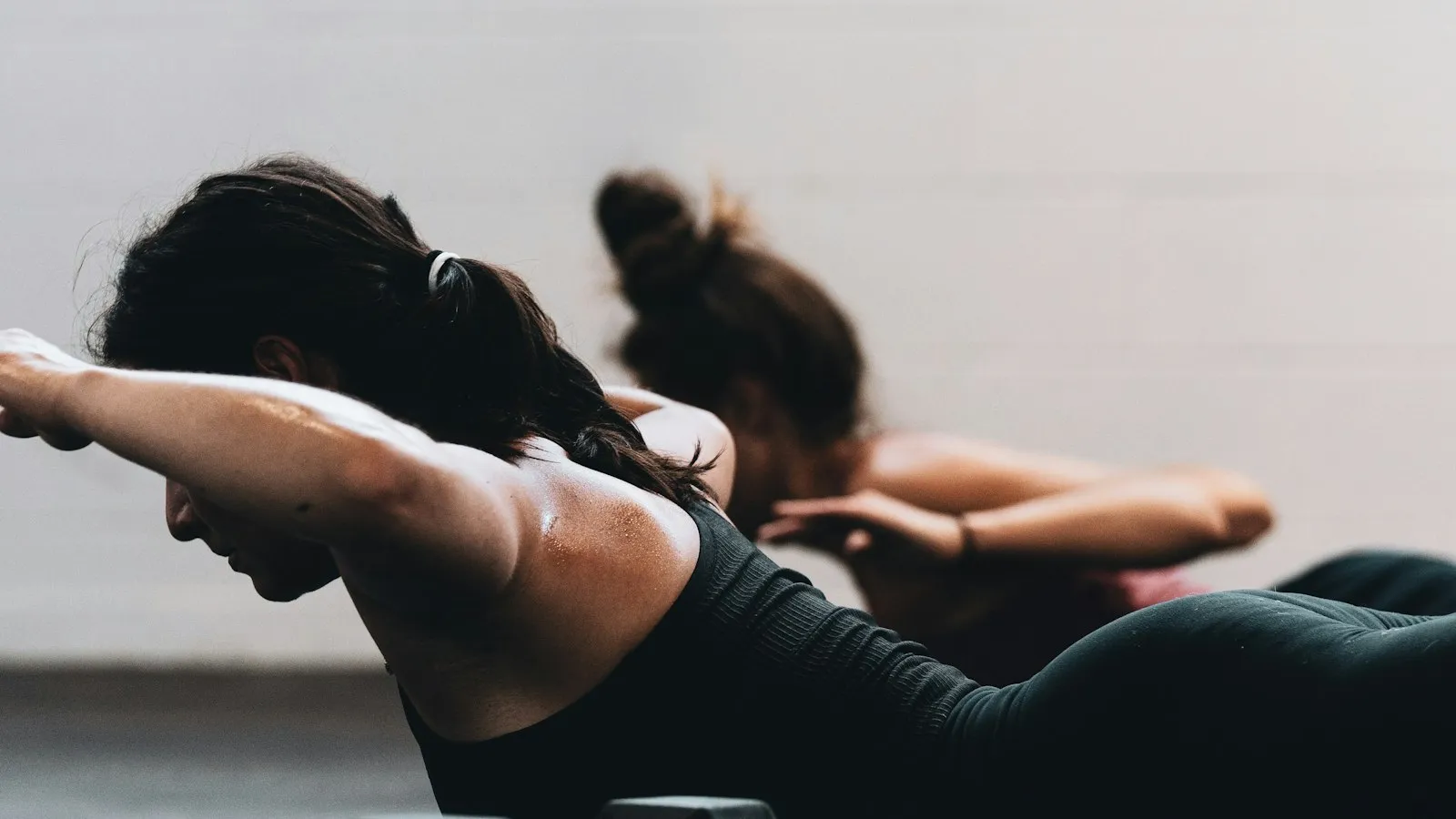
The 20-Minute No-Equipment Workout You Can Do Anywhere
A full-body bodyweight circuit with beginner, intermediate and advanced options.