New Mothers
Rebuilding Your Core After Pregnancy, Gently
October 9, 2026 · 5 min read · New Mothers
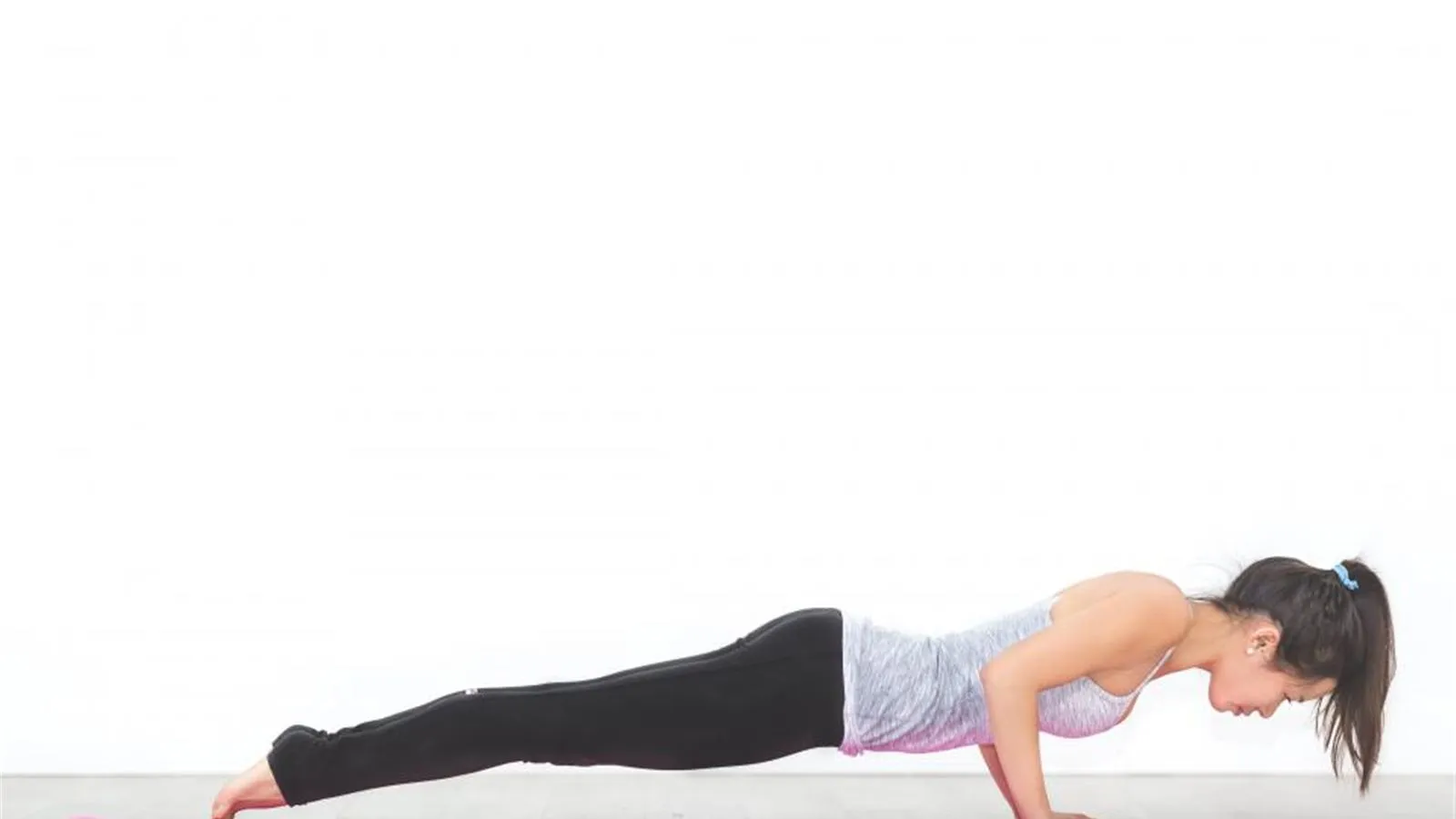
During pregnancy, your tummy muscles stretch to make room for your baby. Afterwards, many women feel weak through the middle, notice back ache when lifting their baby, or see their tummy “dome” when they sit up. Rebuilding your core takes time — and the best starting point isn’t crunches.
This is general information for women who’ve been cleared to exercise. If you have symptoms, see your doctor or a pelvic health physiotherapist for an individual assessment.
Your core is a team
Your “core” isn’t just your six-pack muscles. It’s a system working together:
| Part | What it does |
|---|---|
| Diaphragm (breathing muscle) | The top of the system |
| Deep tummy muscles | Wrap around like a corset |
| Back muscles | Support your spine |
| Pelvic floor | The base of the system |
That’s why breathing and pelvic floor work are part of rebuilding your core — not separate from it. See pelvic floor basics.
Why not crunches first?
Crunches and sit-ups create a lot of pressure inside the tummy, which pushes outward on stretched muscles and downward on the pelvic floor. They’re not “banned”, but they’re not the place to start. Gentler exercises build control first, and many women return to crunches later without problems.
A gentle core progression
Do these after your postnatal check, slowly, with steady breathing. Breathe out as you make the effort.
| Stage | Exercise | How |
|---|---|---|
| 1 | Connection breathing | Lie on your back, knees bent. Breathe in, letting your belly and ribs expand. Breathe out, gently drawing in your lower tummy and lifting your pelvic floor. 10 breaths. |
| 1 | Heel slides | Same position. Breathe out, draw in gently, and slide one heel away along the floor, then back. 8 each side. |
| 2 | Glute bridge | Breathe out, lift your hips. Lower slowly. 10 reps. |
| 2 | Dead bug (legs only) | Lying on your back, knees above hips. Lower one heel to tap the floor, then return. 6 each side. |
| 3 | Side-lying leg lifts | Lie on your side, lift and lower the top leg. 10 each side. |
| 3 | Bird dog | On hands and knees, reach one arm and the opposite leg out, keeping your back still. 6 each side. |
| 4 | Incline plank | Hands on a kitchen counter, body in a straight line. Hold 15–30 seconds. |
Move on to the next stage when the current one feels easy and there’s no doming, leaking, heaviness or pain.
Watch for doming
If you see a ridge or dome running down the middle of your tummy when you lift your head or strain, that exercise is too hard right now. Go back a stage, focus on breathing out with the effort, and mention it to your doctor or physiotherapist. A widened gap between the tummy muscles after pregnancy is common, and a specialist can assess it and guide you.
Everyday core habits
- Roll onto your side to get out of bed rather than sitting straight up.
- Breathe out as you lift your baby, the car seat or shopping.
- Hold your baby close to your body when carrying.
- Set up feeding with pillows so you’re not hunched for long periods.
These small habits reduce strain while your muscles recover.
Where it fits in your week
Core work fits easily into short sessions: a few minutes after a walk, or during your baby’s nap. Alongside walking — building towards the WHO’s 150 minutes a week (Bull et al., 2020) — and gentle full-body strength work, it helps you feel stronger in daily life. ACOG encourages a gradual return to exercise as soon as it’s medically safe (ACOG, 2020).
A sample 10-minute core session
| Exercise | Reps |
|---|---|
| Connection breathing | 10 breaths |
| Heel slides | 8 each side |
| Glute bridge | 10 |
| Dead bug (legs only) | 6 each side |
| Side-lying leg lift | 10 each side |
| Rest and repeat once | — |
Do this 3–4 times a week, alongside walking. Move to the next stage of the progression when it feels easy and symptom-free.
Lifting your baby and gear
| Task | Core-friendly way |
|---|---|
| Lifting from the cot | Bend your knees, bring baby close, breathe out as you stand |
| Car seat | Carry in front with both hands, close to your body, or on your forearm |
| Pram into the car | Fold and lift close to the boot, knees bent |
| Bath time | Kneel rather than bending from standing |
Posture during feeds
Hours of feeding can lead to rounded shoulders and back ache. Use pillows to bring your baby up to you, sit back with your back supported, and change position regularly. A few shoulder rolls and chest stretches after feeds help too.
When to see a specialist
If you see doming that doesn’t improve, have back or pelvic pain, leaking or heaviness, or your tummy feels weak in daily life months after birth, ask for a referral to a pelvic health physiotherapist. A widened gap between the tummy muscles is common and can be assessed and managed with expert guidance.
FAQ
When will my tummy look the way it did before? Every body changes differently after pregnancy, and many changes are permanent and normal. Focus on strength and how your body feels.
Is it too late to work on my core if my baby is older? Not at all. These exercises help at any stage.
Can I do planks? Full planks are a later-stage exercise. Start with incline planks once the earlier stages feel easy and symptom-free.
The bottom line
Rebuild your core from the inside out: breathing and pelvic floor first, then gentle exercises that build control, progressing only when there’s no doming, leaking or pain. See a pelvic health physiotherapist if you have symptoms.
Sources
- American College of Obstetricians and Gynecologists (2020). Physical activity and exercise during pregnancy and the postpartum period: ACOG Committee Opinion No. 804. Obstetrics & Gynecology. doi:10.1097/AOG.0000000000003772
- Woodley SJ et al. (2020). Pelvic floor muscle training for preventing and treating urinary and faecal incontinence in antenatal and postnatal women. Cochrane Database of Systematic Reviews. doi:10.1002/14651858.CD007471.pub4
- Bull FC et al. (2020). World Health Organization 2020 guidelines on physical activity and sedentary behaviour. British Journal of Sports Medicine. doi:10.1136/bjsports-2020-102955
This article is general education for healthy adults, not medical advice. Check with a qualified professional before starting a new exercise or nutrition plan, especially if you have a medical condition. Full disclaimer.
Keep reading
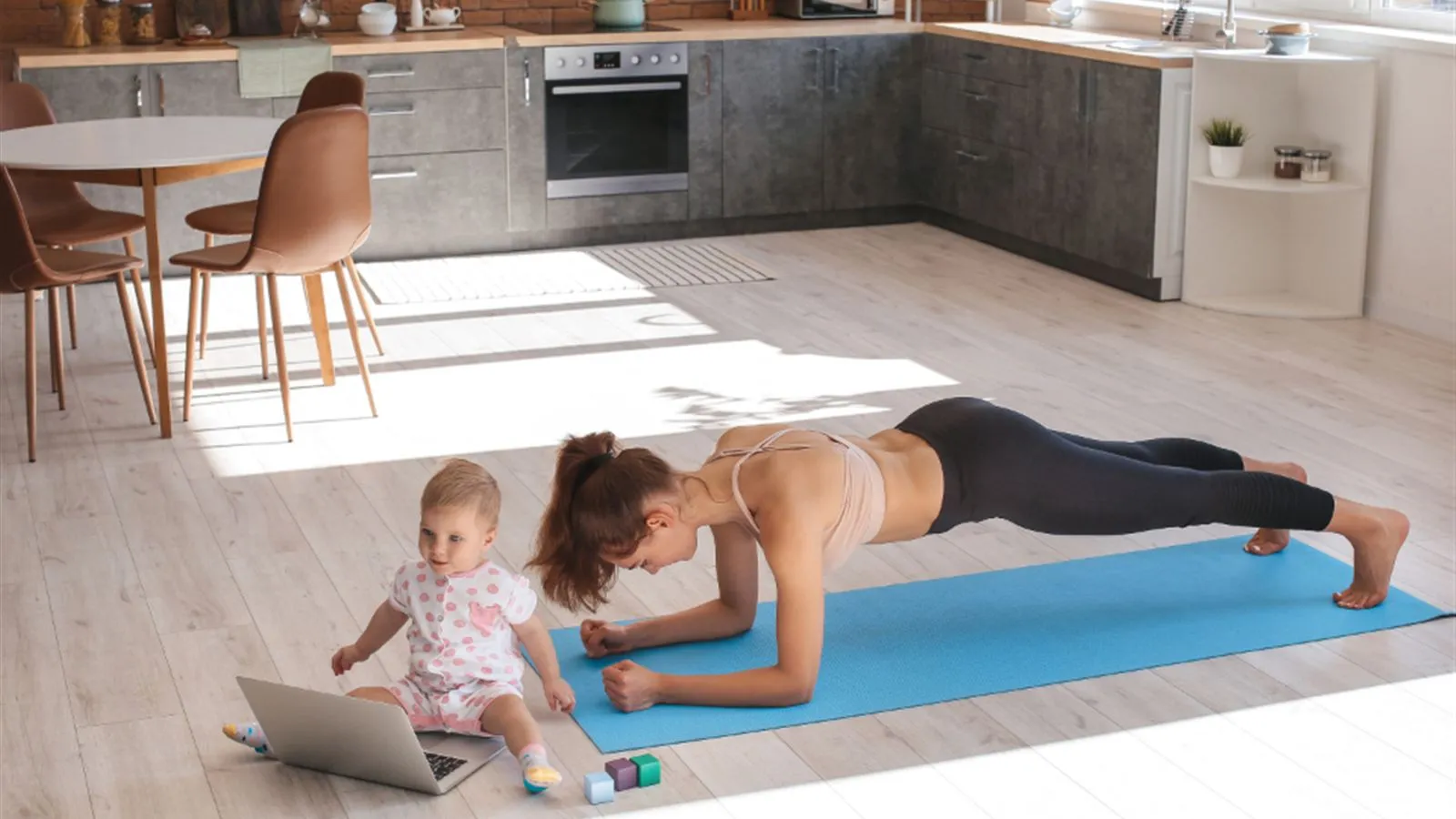
A 20-Minute Home Strength Workout (With Your Baby Nearby)
A gentle full-body routine for after your postnatal check, built around naps and floor time, with a 12-week progression.

A Postnatal Walking Plan: From 10 Minutes to 150 a Week
Walking is the easiest way back to fitness after birth. A gentle, week-by-week plan with the pram, plus how to know when to step it up.

Baby Blues or Postnatal Depression? How to Tell, and Where to Get Help
About 1 in 6 new mothers experience postnatal depression. The signs, how it differs from the baby blues, how movement can help, and when to reach out.