New Mothers
Pelvic Floor Basics After Birth: What Every Mother Should Know
October 9, 2026 · 4 min read · New Mothers
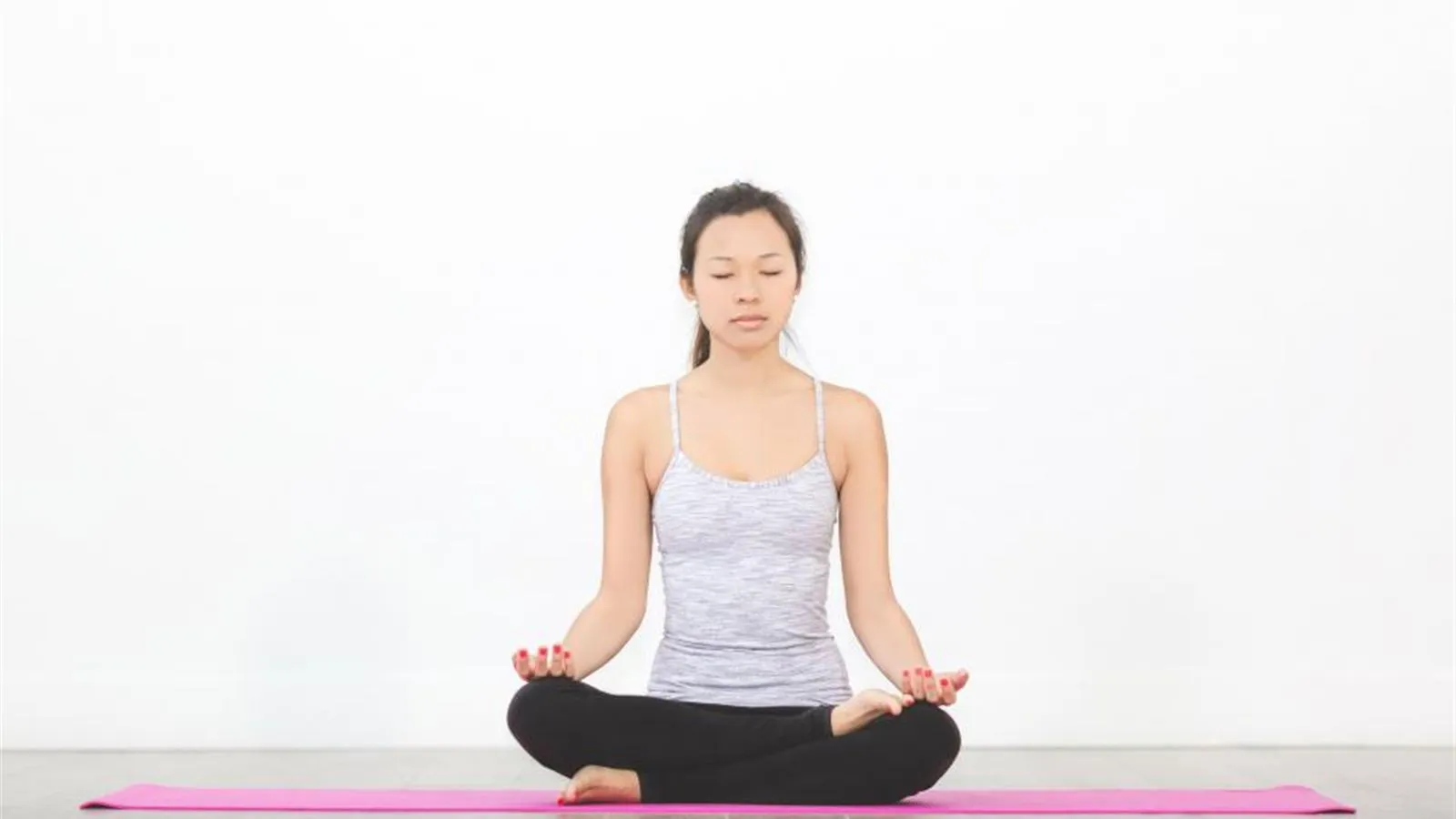
Pregnancy and birth place a lot of demand on the pelvic floor — the layer of muscles that supports your bladder, bowel and uterus. Leaking when you cough or laugh is common after having a baby. Common doesn’t mean you have to live with it, and there’s a lot you can do.
This article is general information, not a diagnosis or treatment plan. If you have symptoms, see a doctor or a specialist pelvic health physiotherapist.
What the pelvic floor does
Your pelvic floor muscles stretch like a hammock from your pubic bone to your tailbone. They:
- Support your bladder, bowel and uterus
- Control when you pass urine, wind and stools
- Work with your deep tummy muscles to stabilise your trunk
- Play a role in sexual function
What the research says
A Cochrane review — one of the most rigorous types of evidence summary — looked at pelvic floor muscle training in pregnant and postnatal women (Woodley et al., 2020). Its main findings:
- For women without leaks, starting pelvic floor exercises during pregnancy probably reduces the risk of urinary leaks in late pregnancy and in the months after birth.
- For women who already have leaks after birth, the evidence on how much exercises help was less certain.
ACOG also notes that pelvic floor exercises can be started in the early postnatal period (ACOG, 2020). The takeaway: pelvic floor exercises are low-risk and worth doing, but if you have symptoms, you deserve a proper assessment rather than guesswork.
Finding the right muscles
Sit or lie comfortably and breathe normally. Imagine you’re:
- Stopping yourself from passing wind, and
- Stopping the flow of urine at the same time.
You should feel a gentle squeeze and lift inside. Your buttocks, thighs and tummy should stay relaxed, and you should keep breathing. (Don’t practise by actually stopping your urine flow — it’s only for finding the muscles.)
A simple starting routine
| Exercise | How | Repeat |
|---|---|---|
| Long holds | Squeeze and lift, hold up to 10 seconds, then fully relax for the same time | Up to 10 times |
| Quick squeezes | Squeeze and lift quickly, then let go completely | Up to 10 times |
| The “knack” | Squeeze just before you cough, sneeze or lift your baby | Every time |
Aim for about three times a day. Start with what you can manage — even a 2–3 second hold — and build up over weeks. Relaxing fully between squeezes matters as much as the squeeze.
Make it a habit
Link your exercises to things you already do several times a day: every feed, every nappy change, or every time you sit down with a drink. Many free apps can remind you.
When to see a specialist
See your doctor and ask for a referral to a pelvic health physiotherapist if you notice:
- Leaking urine, wind or faeces
- Needing to rush to the toilet or going very often
- A feeling of heaviness, dragging or a bulge in the vagina
- Pain in the pelvis or during sex
- Difficulty feeling or contracting your pelvic floor muscles
A specialist can check your technique (many people squeeze the wrong muscles at first) and give you a programme for your specific needs.
Returning to exercise
Pelvic floor symptoms are a sign to adjust your training, not to stop moving. Walking, gentle strength work and breathing exercises are usually fine; higher-impact exercise like running and jumping is best reintroduced once you’re symptom-free, ideally with advice from a pelvic health physiotherapist.
A 6-week practice plan
| Week | Long holds | Quick squeezes | Times a day |
|---|---|---|---|
| 1 | 3 × 3 seconds | 5 | 2–3 |
| 2 | 5 × 4 seconds | 6 | 3 |
| 3 | 6 × 5 seconds | 8 | 3 |
| 4 | 8 × 6 seconds | 8 | 3 |
| 5 | 8 × 8 seconds | 10 | 3 |
| 6 | 10 × 10 seconds | 10 | 3 |
Progress only when the current week feels easy and you can fully relax between squeezes.
Try different positions
Start lying down (easiest), then progress to sitting and standing, and eventually to using your pelvic floor during everyday movements like lifting your baby or climbing stairs.
Everyday habits that help
- Don’t strain on the toilet. Fibre, fluids and a small footstool under your feet can help.
- Avoid “just in case” toilet trips, which can make your bladder more sensitive.
- Breathe out as you lift — holding your breath increases pressure on the pelvic floor.
- Manage coughs and constipation promptly, as both strain the pelvic floor.
What a pelvic health physiotherapist does
They take a detailed history, can examine your pelvic floor (with your consent), check that you’re contracting the right muscles, and give you a personalised programme. They can also advise on returning to running, lifting and sport.
FAQ
How long until I notice a difference? Many women notice changes after a few months of regular practice. Keep going even when symptoms improve.
Is it too late if my baby is older? No. Pelvic floor exercises can help at any stage, and specialists see women years after birth.
Can I overdo it? Some people hold too much tension in their pelvic floor. If you have pain, a specialist can help.
The bottom line
Learn to find your pelvic floor muscles, practise long holds and quick squeezes three times a day, and use the “knack” before coughing or lifting. If you have leaks, heaviness or pain, see a pelvic health physiotherapist — these problems are common and treatable.
Sources
- Woodley SJ et al. (2020). Pelvic floor muscle training for preventing and treating urinary and faecal incontinence in antenatal and postnatal women. Cochrane Database of Systematic Reviews. doi:10.1002/14651858.CD007471.pub4
- American College of Obstetricians and Gynecologists (2020). Physical activity and exercise during pregnancy and the postpartum period: ACOG Committee Opinion No. 804. Obstetrics & Gynecology. doi:10.1097/AOG.0000000000003772
This article is general education for healthy adults, not medical advice. Check with a qualified professional before starting a new exercise or nutrition plan, especially if you have a medical condition. Full disclaimer.
Keep reading
A 20-Minute Home Strength Workout (With Your Baby Nearby)
A gentle full-body routine for after your postnatal check, built around naps and floor time, with a 12-week progression.

A Postnatal Walking Plan: From 10 Minutes to 150 a Week
Walking is the easiest way back to fitness after birth. A gentle, week-by-week plan with the pram, plus how to know when to step it up.

Baby Blues or Postnatal Depression? How to Tell, and Where to Get Help
About 1 in 6 new mothers experience postnatal depression. The signs, how it differs from the baby blues, how movement can help, and when to reach out.