Working Women
High-Protein Desk Lunches (No Microwave Needed)
October 7, 2026 · 4 min read · Working Women
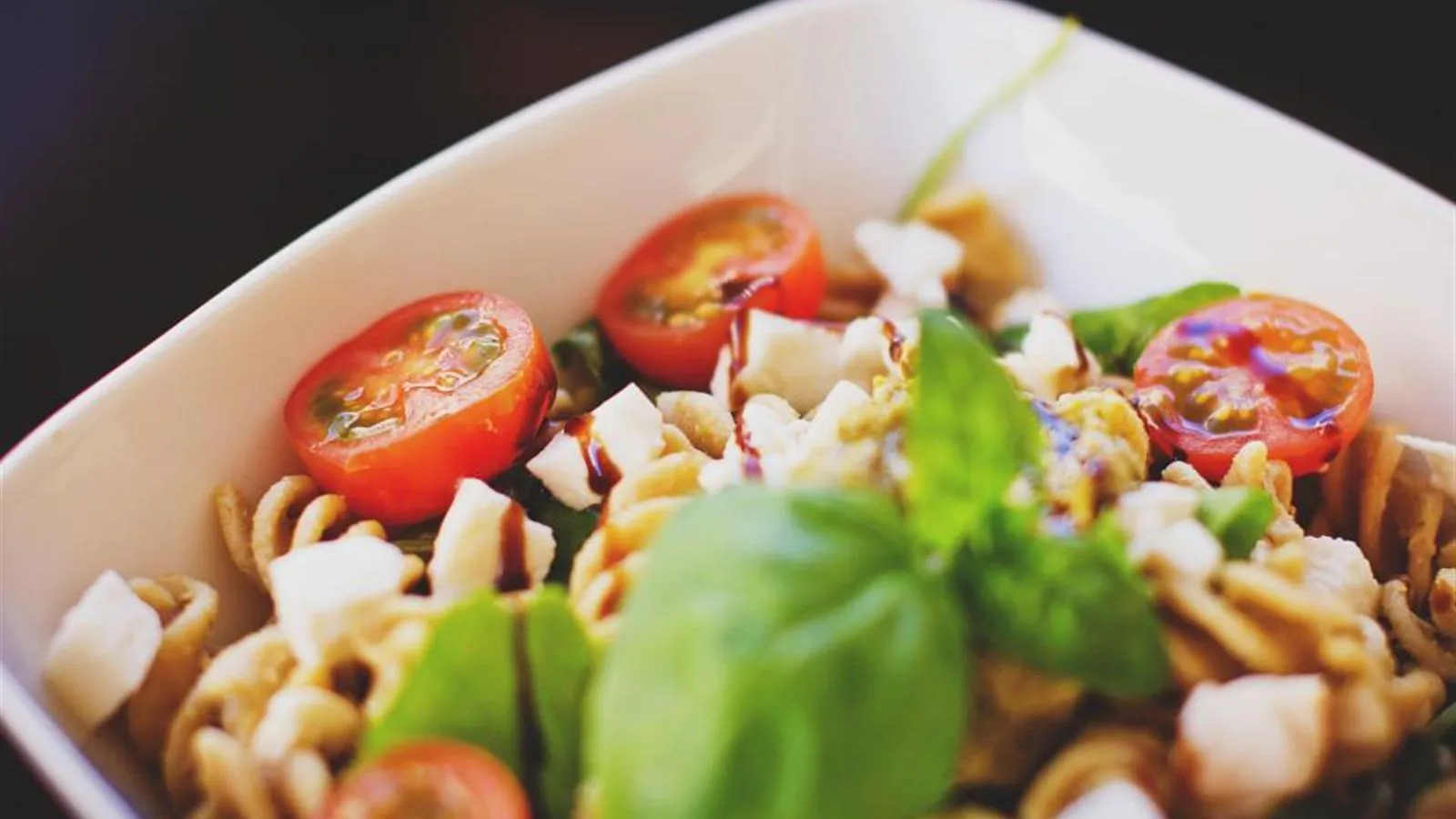
Lunch at your desk is often the weakest meal of the day: a sandwich grabbed in a hurry, crisps, and a 3 p.m. energy crash. A better lunch doesn’t need a microwave or much time — just enough protein, some fibre-rich carbs and a pile of vegetables.
Why protein at lunch matters
Research on protein timing suggests that moderate, evenly spaced servings — for example, 20 g every three hours — supported muscle building better than the same total eaten in very small or very large doses (Areta et al., 2013). The ISSN recommends roughly 20–40 g of protein per meal (Jäger et al., 2017). Many women get most of their protein at dinner; a high-protein lunch evens it out.
The lunch formula
| Component | Aim for | Examples |
|---|---|---|
| Protein | 25–40 g | Chicken, tuna, salmon, eggs, tofu, beans, lentils, cottage cheese |
| Smart carb | A cupped handful | Quinoa, wholegrain pasta, brown rice, bread, potatoes |
| Vegetables | Two handfuls | Leaves, peppers, cucumber, tomatoes, roasted veg |
| Flavour | 1–2 tbsp | Pesto, hummus, yoghurt dressing, salsa, olive oil and lemon |
Vegetables at lunch count towards the 800 g of fruit and vegetables a day linked with the lowest risk of heart disease and early death (Aune et al., 2017).
10 lunches that taste good cold
| Lunch | Protein (approx.) |
|---|---|
| Chicken, pesto and wholegrain pasta salad | 35 g |
| Tuna, white bean and red onion salad | 35 g |
| Greek salad with chickpeas and feta | 25 g |
| Soba noodles with edamame and sesame tofu | 30 g |
| Salmon, potato and green bean salad | 30 g |
| Lentil, roasted pepper and goat’s cheese bowl | 25 g |
| Egg and avocado wholegrain wrap with spinach | 25 g |
| Turkey, hummus and crunchy veg wrap | 30 g |
| Cottage cheese, crackers, cherry tomatoes and cucumber | 25 g |
| Smoked tofu, quinoa and roasted veg box | 25 g |
Protein values are approximate and depend on portion sizes.
Packing so it survives until lunch
- Dressing separate. A small jar keeps leaves crisp.
- Wet at the bottom, leaves on top in jar salads.
- Keep it cold. Use an insulated bag with an ice pack and a work fridge if you have one; perishable food shouldn’t sit at room temperature for more than about two hours.
- Prep three days at a time, not five, so everything stays fresh.
Build an emergency drawer
For days when the plan falls apart:
- Tinned tuna or salmon (ring-pull) and wholegrain crackers
- Ready-to-eat pouches of lentils or beans
- Unsalted nuts
- Protein bars (check the label)
- Instant oats
Take a real break
If you can, eat away from your screen and walk for 10 minutes afterwards. Short walking breaks after meals are one of the simplest habits for desk workers — see why walking breaks matter.
A two-week rotation
| Week 1 | Week 2 |
|---|---|
| Mon: Chicken pesto pasta salad | Mon: Salmon, potato and green bean salad |
| Tue: Chicken pesto pasta salad | Tue: Salmon, potato and green bean salad |
| Wed: Tuna and white bean salad | Wed: Lentil, pepper and goat’s cheese bowl |
| Thu: Greek salad with chickpeas | Thu: Turkey and hummus wrap |
| Fri: Lunch out | Fri: Lunch out |
Cooking once for two days halves the prep, and Friday off keeps it realistic.
Desk-friendly dressings (make a jar on Sunday)
- Lemon-yoghurt: 150 g Greek yoghurt, juice of 1 lemon, 1 crushed garlic clove, salt, pepper.
- Pesto vinaigrette: 2 tbsp pesto, 2 tbsp olive oil, 1 tbsp lemon juice.
- Sesame-soy: 2 tbsp soy sauce, 1 tbsp sesame oil, 1 tbsp rice vinegar, 1 tsp honey.
Spread protein through your day
| Time | Protein |
|---|---|
| Breakfast | 20–30 g (yoghurt and oats, eggs) |
| Lunch | 25–40 g (one of the lunches above) |
| Afternoon | 10–20 g (skyr, nuts, edamame) |
| Dinner | 25–40 g |
Moderate servings spread across the day supported muscle building better than very small or very large doses in a lab study (Areta et al., 2013).
FAQ
Are salads filling enough? They are when they include protein, a smart carb and some fat. A leaves-only salad isn’t.
Can I prep these the night before? Yes — most of these lunches are better after a night in the fridge.
How long do these lunches keep? Most keep 2–3 days in the fridge. Keep fish-based lunches to 2 days, and dress salads just before eating.
The bottom line
Pack protein, a smart carb, two handfuls of vegetables and a flavourful dressing. Ten cold-friendly options and an emergency drawer mean you’ll never default to crisps again.
Sources
- Jäger R et al. (2017). International Society of Sports Nutrition Position Stand: protein and exercise. Journal of the International Society of Sports Nutrition. doi:10.1186/s12970-017-0177-8
- Areta JL et al. (2013). Timing and distribution of protein ingestion during prolonged recovery from resistance exercise alters myofibrillar protein synthesis. The Journal of Physiology. doi:10.1113/jphysiol.2012.244897
- Aune D et al. (2017). Fruit and vegetable intake and the risk of cardiovascular disease, total cancer and all-cause mortality. International Journal of Epidemiology. doi:10.1093/ije/dyw319
This article is general education for healthy adults, not medical advice. Check with a qualified professional before starting a new exercise or nutrition plan, especially if you have a medical condition. Full disclaimer.
Keep reading

Morning or Evening Workouts? Pick the One You'll Keep
The best time to train is the one that survives your real week. How to choose, and how to turn it into an automatic habit.

Strength Training After 40: Muscle, Bones and Menopause
Why lifting matters more with every decade, what the LIFTMOR trial found about bone density, and how to start safely.

Exercise for Stress and Low Mood: What a Huge Review Found
An overview of 97 reviews covering more than 128,000 people found physical activity meaningfully reduced depression, anxiety and distress. Here's how to use it.