Workout Plans
How to Squat: A Step-by-Step Technique Guide
September 21, 2026 · 4 min read · Training
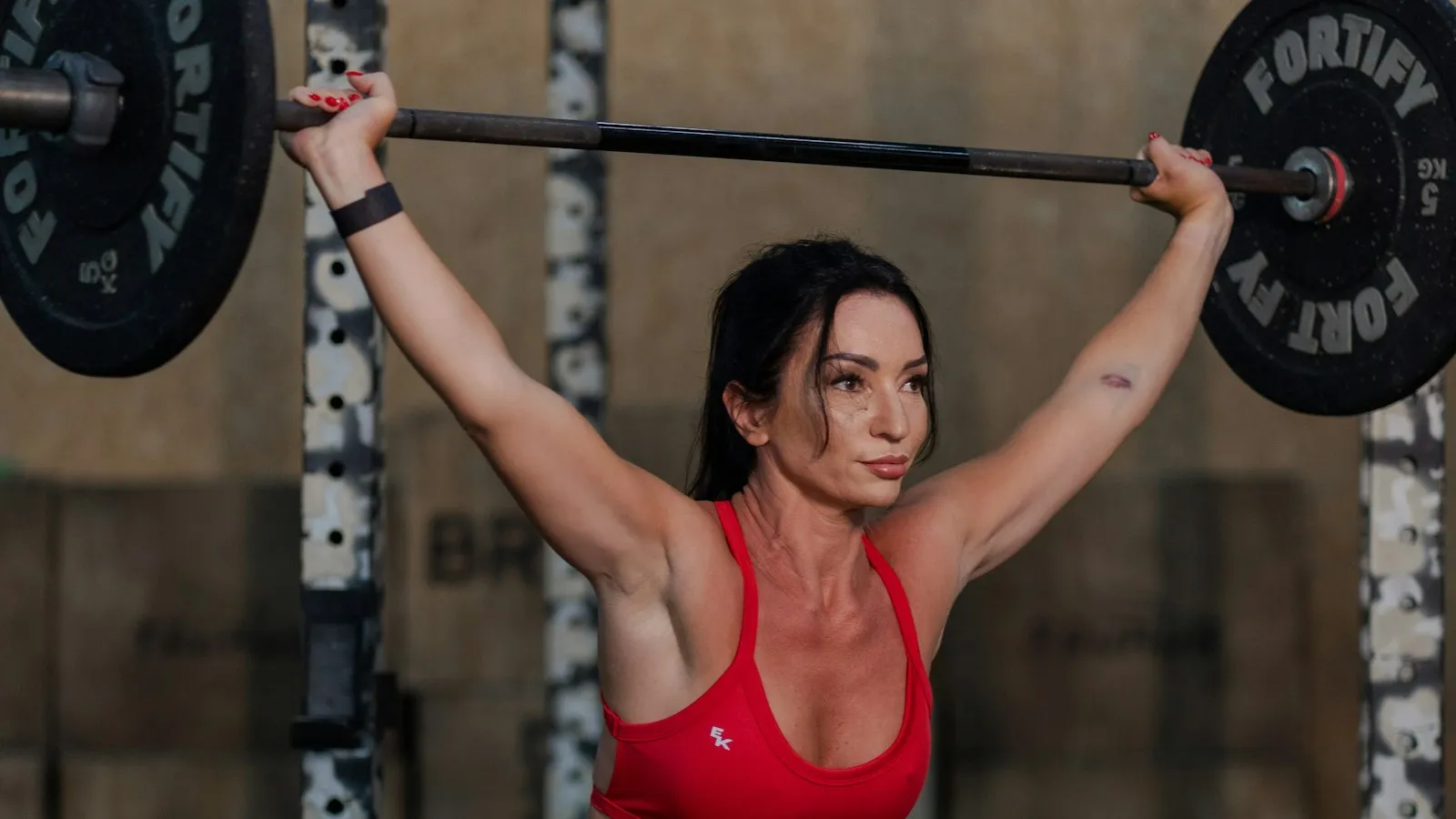
The squat is one of the most useful movements you can train. It builds your legs and hips and carries straight over to daily life — every time you sit down and stand up, you’re squatting. Here’s how to do it well, from your first chair squat to a loaded barbell.
Start with the goblet squat
Holding a dumbbell or kettlebell at your chest (the “goblet” position) naturally keeps your torso upright and teaches good positions. It’s the best place to learn before moving to a barbell.
Step by step
- Stance. Feet about shoulder-width apart, toes turned out slightly (roughly 10–30°). Find what feels natural for your hips — everyone’s is slightly different.
- Brace. Take a breath into your belly and tighten your midsection as if preparing for a light punch.
- Descend. Push your hips back slightly and bend your knees at the same time. Let your knees travel forward and track in line with your toes.
- Depth. Go as deep as you can while keeping your heels down and your back in a neutral position. For many people that’s around thighs parallel to the floor or a bit below.
- Drive up. Push the floor away through your whole foot and stand tall. Breathe out near the top.
Key cues
| Cue | What it fixes |
|---|---|
| “Knees out over your toes” | Knees caving inward |
| “Whole foot on the floor” | Heels lifting, tipping forward |
| “Chest proud” | Excessive forward lean |
| “Sit between your heels” | Hips shooting back too far |
| “Big breath, then move” | Losing tension at the bottom |
Finding your stance
Try three quick tests with bodyweight squats:
| Test | Try | Keep it if… |
|---|---|---|
| Width | Narrow, shoulder-width, wide | You reach good depth with heels down |
| Toe angle | Straight, slight turn-out, more turn-out | Knees track comfortably over toes |
| Depth | Box squats at different heights | Your back stays neutral at the bottom |
Common problems and fixes
Heels lift off the floor. Usually limited ankle mobility. Try a slightly wider stance, place small plates under your heels, or add knee-to-wall ankle rocks to your warm-up.
Knees cave in on the way up. Lighten the load, focus on pushing your knees outward, and add glute work such as banded side steps and hip bridges.
Lower back rounds at the bottom. Only squat as deep as you can with a neutral spine. Depth often improves with practice and hip mobility.
Feeling it only in the lower back. Brace harder before each rep, keep the bar or dumbbell over mid-foot, and reduce the weight.
Falling forward. Keep the weight close to your body and your chest up; the goblet position helps.
Progression path
| Stage | Exercise | Move on when you can… |
|---|---|---|
| 1 | Squat to a box or chair | Do 3 × 12 controlled reps |
| 2 | Bodyweight squat | Do 3 × 15 with full depth |
| 3 | Goblet squat | Do 3 × 12 with a moderate dumbbell |
| 4 | Front squat or back squat with a barbell | Keep progressing the weight |
Barbell safety
When you move to a barbell, always squat inside a rack with the safety pins set just below your lowest squat position. If you can’t stand up, sit down onto the pins and step out. Use collars on the bar.
Warm up before squatting
A systematic review found warming up improved performance in most of the outcomes studied (Fradkin et al., 2010). Before squatting: a few minutes of light cardio, then leg swings, bodyweight squats and two or three lighter ramp-up sets.
How many squats?
For most people, 2–4 sets of 6–12 reps, two or three times a week, is a great place to start. Leave 1–3 reps in reserve on each set and add weight or reps gradually.
FAQ
Is it bad for your knees to go past your toes? Knees travelling forward is a normal part of squatting. What matters is that they track in line with your toes and the movement is pain-free.
Do I have to squat “ass to grass”? No. Squat as deep as you can with good form. Depth improves with practice.
Should I use a belt? Not when learning. Master bracing first.
The bottom line
Learn the pattern with the goblet squat, brace before every rep, keep your whole foot planted, use safety pins with a barbell, and only add weight when your form stays consistent.
Sources
- Fradkin AJ, Zazryn TR, Smoliga JM (2010). Effects of warming-up on physical performance: a systematic review with meta-analysis. Journal of Strength and Conditioning Research. doi:10.1519/JSC.0b013e3181c643a0
This article is general education for healthy adults, not medical advice. Check with a qualified professional before starting a new exercise or nutrition plan, especially if you have a medical condition. Full disclaimer.
Keep reading
The Beginner Full-Body Dumbbell Workout (3 Days a Week)
A complete starter routine you can do at home with one pair of dumbbells — with sets, reps and how to progress.

How Much Exercise Do You Actually Need? What the WHO Guidelines Say
The global minimums for cardio and strength training, translated into a week you can actually schedule — plus an 8-week starter plan.
The 20-Minute No-Equipment Workout You Can Do Anywhere
A full-body bodyweight circuit with beginner, intermediate and advanced options.