Kitchen
Ultra-Processed Food: What One Famous Experiment Found
September 11, 2026 · 4 min read · Nutrition & Recipes
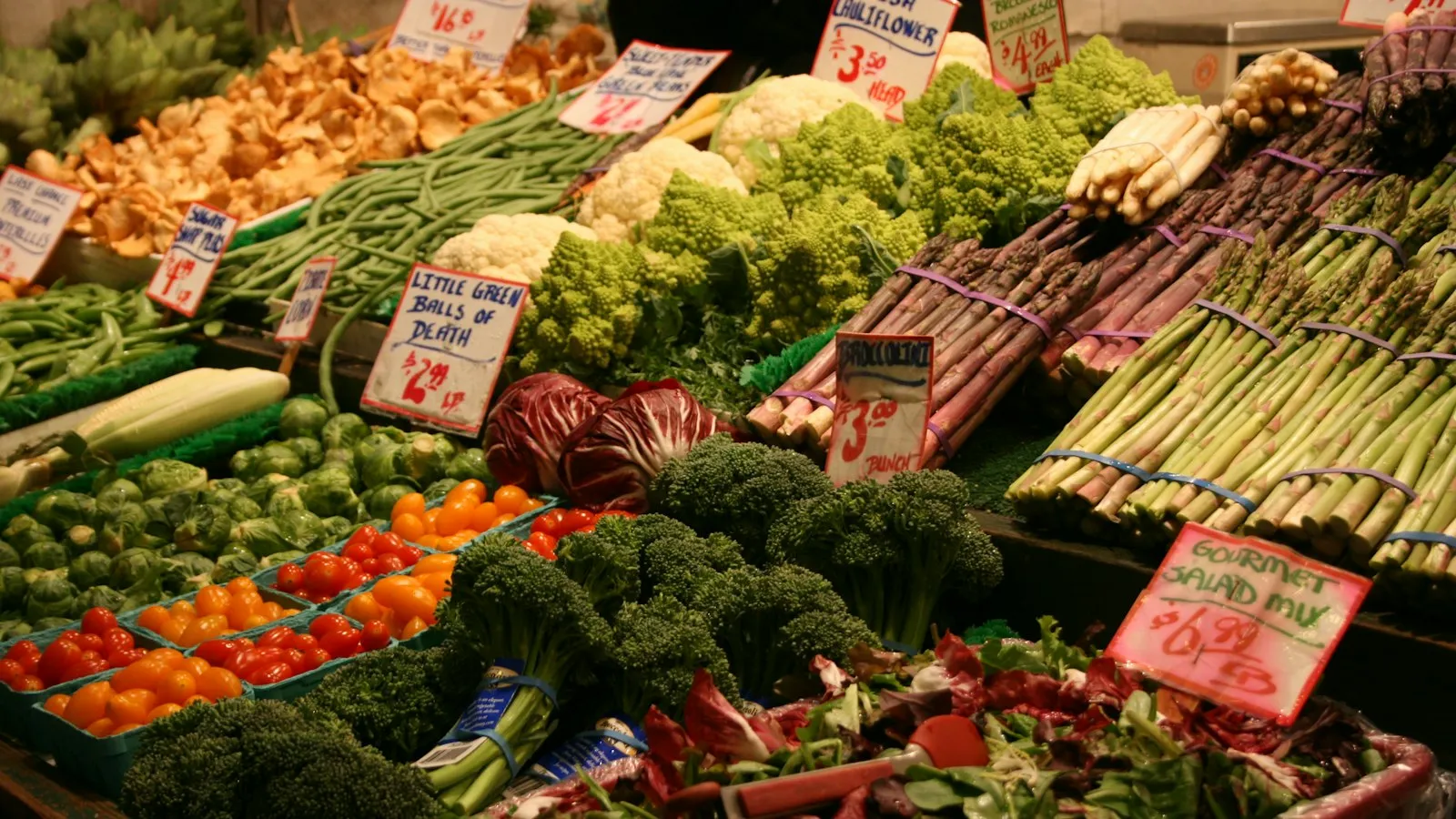
“Ultra-processed food” has become a buzzword, used for everything from fizzy drinks to wholegrain bread. Underneath the noise, one tightly controlled experiment gives us unusually clear insight into how these foods can affect how much we eat.
The experiment
In 2019, Kevin Hall and colleagues at the US National Institutes of Health ran a randomised controlled trial. Twenty adults lived in a metabolic research ward for four weeks, where everything they ate was measured precisely. For two weeks they were offered an ultra-processed diet; for two weeks an unprocessed diet, in random order.
The key design detail: the meals offered were matched for calories, sugar, fat, fibre, salt and macronutrients. Participants could eat as much or as little as they wanted. The only systematic difference was the degree of processing.
The results
Hall et al., Cell Metabolism (2019) — 20 adults, inpatient crossover trial
- People ate about 500 more calories per day on the ultra-processed diet.
- They gained around 0.9 kg during the ultra-processed phase and lost around 0.9 kg on the unprocessed diet.
- They ate faster on the ultra-processed diet.
- They didn’t rate the ultra-processed food as more pleasant — they simply ate more of it.
Because the same people ate both diets, and the meals were nutritionally matched on paper, it’s one of the strongest pieces of experimental evidence that processing itself can affect intake.
What makes food “ultra-processed”?
The most common definition comes from the NOVA classification, which groups foods by how they’re made:
| NOVA group | What it means | Examples |
|---|---|---|
| 1. Unprocessed / minimally processed | Whole foods, possibly cleaned, frozen, dried or pasteurised | Fresh or frozen veg, fruit, eggs, plain milk, oats, meat, fish, dried beans |
| 2. Processed culinary ingredients | Extracted from foods, used in cooking | Oil, butter, sugar, salt, flour |
| 3. Processed foods | Group 1 foods with group 2 added | Tinned beans, cheese, simple bread, tinned fish |
| 4. Ultra-processed foods | Industrial formulations, often with additives such as flavourings, emulsifiers and colours | Soft drinks, packaged snacks, sweetened cereals, instant noodles, many ready meals, processed meats |
Processed isn’t the same as ultra-processed. Tinned beans, frozen vegetables, plain yoghurt and cheese are processed but are generally excellent, convenient staples.
Limitations to keep in mind
- Only 20 participants, for two weeks per diet.
- It doesn’t tell us which features of ultra-processed food drive overeating — eating speed, softer textures and higher calorie density are all candidates.
- A metabolic ward isn’t real life.
- “Ultra-processed” is a broad category; not every food in it affects people the same way.
Still, it’s a striking result from a carefully controlled trial.
Simple swaps
You don’t need to eliminate packaged food. Start by swapping the items you eat most often.
| Instead of | Try |
|---|---|
| Sweetened breakfast cereal | Oats with fruit and yoghurt |
| Flavoured yoghurt | Plain Greek yoghurt + berries + a little honey |
| Instant noodles | Quick stir-fry with frozen veg and microwave rice |
| Packaged crisps | Nuts, popcorn made at home, or roasted chickpeas |
| Processed meat sandwich | Leftover chicken, tinned tuna or egg sandwich |
| Ready meal | A batch-cooked portion from your freezer |
| Soft drink | Sparkling water with citrus |
How to spot ultra-processed foods
- Long ingredient lists with items you wouldn’t find in a home kitchen (e.g., hydrolysed proteins, modified starches, emulsifiers, flavourings).
- Designed to be eaten fast and in large amounts — soft, easy to chew, highly palatable.
- Heavily marketed with health claims on the front. Always check the back.
Practical takeaways
- Build most meals from minimally processed foods: meat, fish, eggs, legumes, grains, fruit, vegetables and dairy.
- Slow down — put your fork down between bites. Faster eating was one of the differences observed in the trial.
- Use convenient “good” processed foods: frozen veg, tinned fish and beans, pre-cooked grains.
- Aim for “mostly”, not “never”. An 80/20 approach is far more sustainable than perfection.
FAQ
Is all ultra-processed food bad? Not necessarily. Some products, like certain wholegrain breads or fortified plant milks, can fit well in a healthy diet. The issue is a diet dominated by ultra-processed foods.
Is protein powder ultra-processed? Technically yes. Used as a top-up in an otherwise whole-food diet, it’s a convenient tool.
What’s the single most useful change? Cook more of your own meals from simple ingredients. Fast recipes make that realistic on busy days.
The bottom line
In a controlled trial, an ultra-processed diet led people to eat about 500 extra calories a day and gain weight. Base most meals on minimally processed ingredients, make easy swaps for the foods you eat most, and slow down when you eat.
Sources
- Hall KD et al. (2019). Ultra-processed diets cause excess calorie intake and weight gain: an inpatient randomized controlled trial of ad libitum food intake. Cell Metabolism. doi:10.1016/j.cmet.2019.05.008
This article is general education for healthy adults, not medical advice. Check with a qualified professional before starting a new exercise or nutrition plan, especially if you have a medical condition. Full disclaimer.
Keep reading
How Much Protein Do You Need to Build Muscle?
What the biggest meta-analysis on protein and strength training found — plus a bodyweight chart, food chart and a simple daily plan.
Protein Timing: Does It Matter When You Eat It?
The anabolic window, per-meal targets and why spreading protein through the day may help.
The 90-Minute Sunday Meal Prep System
Cook once, eat well all week. A step-by-step workflow, shopping list and storage guide.