Wellness
How Long Does It Really Take to Form a Habit? (Not 21 Days)
September 22, 2026 · 4 min read · Sleep & Recovery
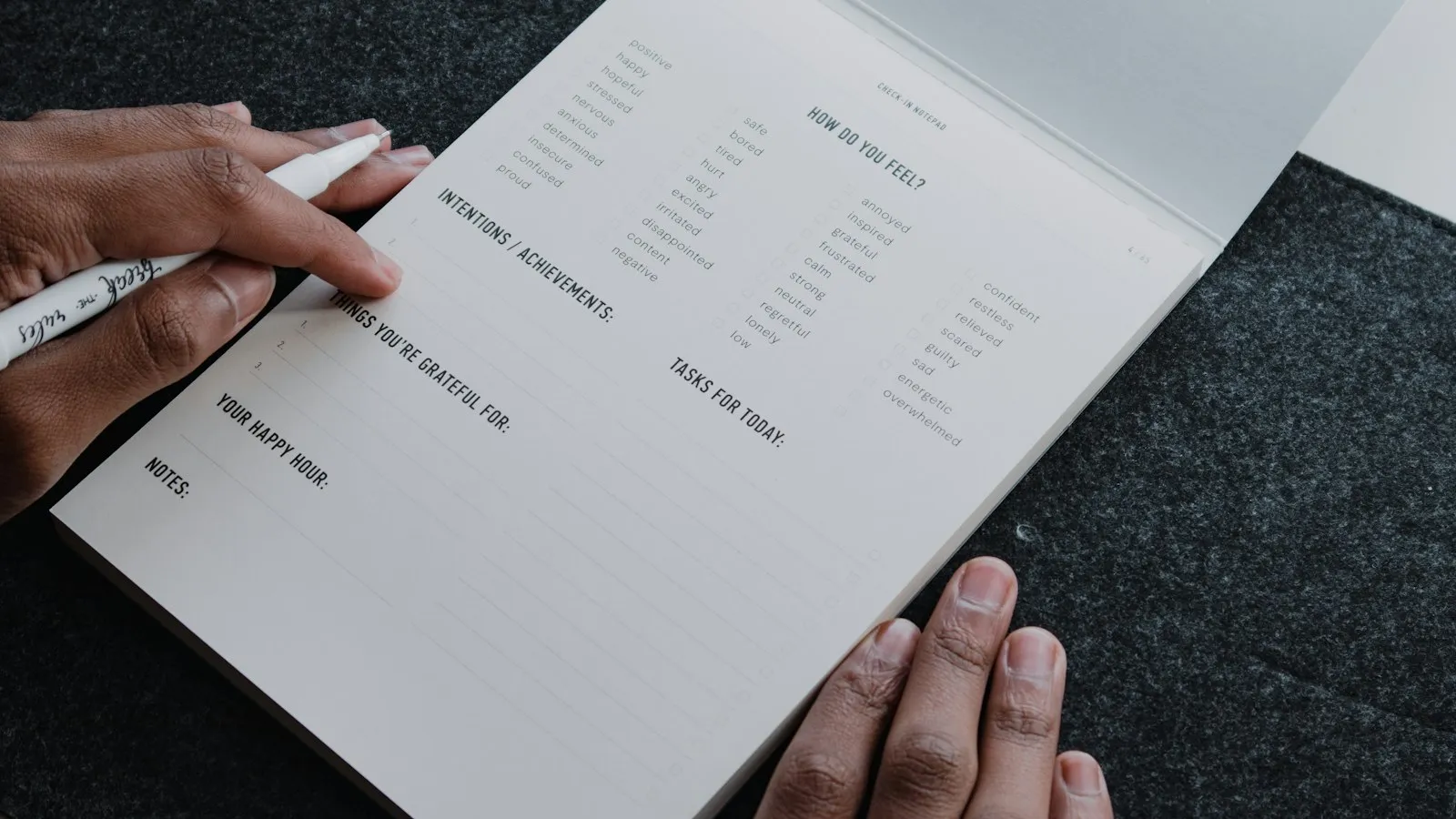
“It takes 21 days to form a habit” is one of the most repeated claims in self-help. It’s also not what the best-known study on the topic found. The real answer is longer, more variable — and in some ways more encouraging.
The study
Phillippa Lally and colleagues at University College London asked 96 volunteers to choose a new healthy behaviour — such as eating a piece of fruit with lunch, drinking a bottle of water, or doing 50 sit-ups — and to do it every day in the same situation for 12 weeks. Each day, participants rated how automatic the behaviour felt: how much they did it without thinking.
Lally et al., European Journal of Social Psychology (2010)
The findings
- The median time to reach peak automaticity was 66 days.
- The range was enormous: 18 to 254 days. (The longest times were estimates projected beyond the 12-week study.)
- Missing a single day didn’t meaningfully affect the habit-forming process.
- More complex behaviours took longer. Exercise habits tended to take longer to become automatic than simple ones like drinking water.
Habit formation followed a curve: automaticity rose quickly at first, then levelled off. Early days bring the biggest gains; later days consolidate them.
Lally et al. (2010). Some participants were projected to take up to 254 days.
View as table
| Item | days |
|---|---|
| Popular "21 days" claim | 21 |
| Fastest in the study | 18 |
| Median in the study | 66 |
Three lessons
1. Expect about two months, not three weeks
If day 21 doesn’t feel automatic, nothing is wrong with you. Most people need longer — plan for around two months of deliberate effort for anything moderately complex.
2. Missing a day isn’t failure
One missed day didn’t derail the process in the study. The real risk is letting one miss turn into two, then ten. A simple rule many people find useful: never miss twice.
3. Context does the heavy lifting
Habits form when a behaviour is repeatedly paired with the same cue — a time, a place, or something you already do. “After I pour my morning coffee” is a cue. “Sometime in the morning” isn’t.
Make it automatic faster
Use an “if–then” plan. A meta-analysis by Gollwitzer and Sheeran pooled 94 studies with more than 8,000 participants and found that forming implementation intentions — specific “if X, then I’ll do Y” plans — had a medium-to-large positive effect on reaching goals.
- “If I finish my morning coffee, then I’ll do 10 minutes of mobility.”
- “If it’s Monday, Wednesday or Friday at 6 p.m., then I’ll go to the gym.”
Stack it onto an existing habit. Anchor the new behaviour to something you already do every day without fail: brushing your teeth, making coffee, arriving home.
Start tiny. “Two push-ups after brushing my teeth” is easier to repeat than “an hour at the gym”. Once the cue–behaviour link is strong, grow the behaviour.
Make it visible. A daily tick in a journal or on a calendar makes progress tangible and keeps the streak alive.
Habit stacking ideas
| Existing habit (cue) | New habit |
|---|---|
| Pour morning coffee | 10 minutes of mobility |
| Put on work shoes | Fill water bottle |
| Close laptop for the day | 10-minute walk outside |
| Brush teeth at night | Phone on the charger outside the bedroom |
| Sit down for lunch | Add one portion of vegetables |
| Arrive home | Change straight into training clothes |
A 30-day starter plan
| Days | What to do |
|---|---|
| 1–3 | Pick one habit. Write your if–then plan. Make the behaviour tiny. |
| 4–10 | Do it every day after the same cue. Tick it off immediately. |
| 11–20 | If it feels easy, increase it slightly (e.g., 2 push-ups → 5). |
| 21–30 | Keep going. Notice moments when you do it without thinking. |
| 31+ | Keep tracking until around day 60–70, then add a second habit. |
Why habits beat motivation
Motivation fluctuates. Habits don’t need it. The goal of the first two months is to transfer the behaviour from “something I have to remember and decide to do” to “something I just do in this situation”. Once that happens, consistency gets much easier — and consistency is what produces results in training, nutrition and sleep.
FAQ
Should I build several habits at once? Start with one. Add the next once the first feels reasonably automatic.
What if my schedule changes constantly? Use cues tied to events rather than clock times (“after I get home” rather than “at 6 p.m.”).
What should I do after a missed day? Nothing dramatic. Just do it at the next cue. Never miss twice.
The bottom line
Habits take around 66 days on average, but anywhere from a few weeks to several months. Tie your new behaviour to a consistent cue, use if–then plans, start tiny, track it, and never miss twice.
Sources
- Lally P et al. (2010). How are habits formed: modelling habit formation in the real world. European Journal of Social Psychology. doi:10.1002/ejsp.674
- Gollwitzer PM, Sheeran P (2006). Implementation intentions and goal achievement: a meta-analysis of effects and processes. Advances in Experimental Social Psychology. doi:10.1016/S0065-2601(06)38002-1
This article is general education for healthy adults, not medical advice. Check with a qualified professional before starting a new exercise or nutrition plan, especially if you have a medical condition. Full disclaimer.
Keep reading

How Much Sleep Do You Really Need?
What two expert consensus panels concluded, a chart of recommended hours by age, and a practical plan to get more.

Caffeine and Sleep: When Should You Have Your Last Coffee?
A sleep study found caffeine six hours before bed still cut sleep by more than an hour. Here's how to set your cut-off.

The 30-Minute Wind-Down Routine for Better Sleep
A simple evening routine that tells your body it's time to switch off.