Working Women
Strength Training for Women: 5 Myths vs the Evidence
October 4, 2026 · 4 min read · Working Women
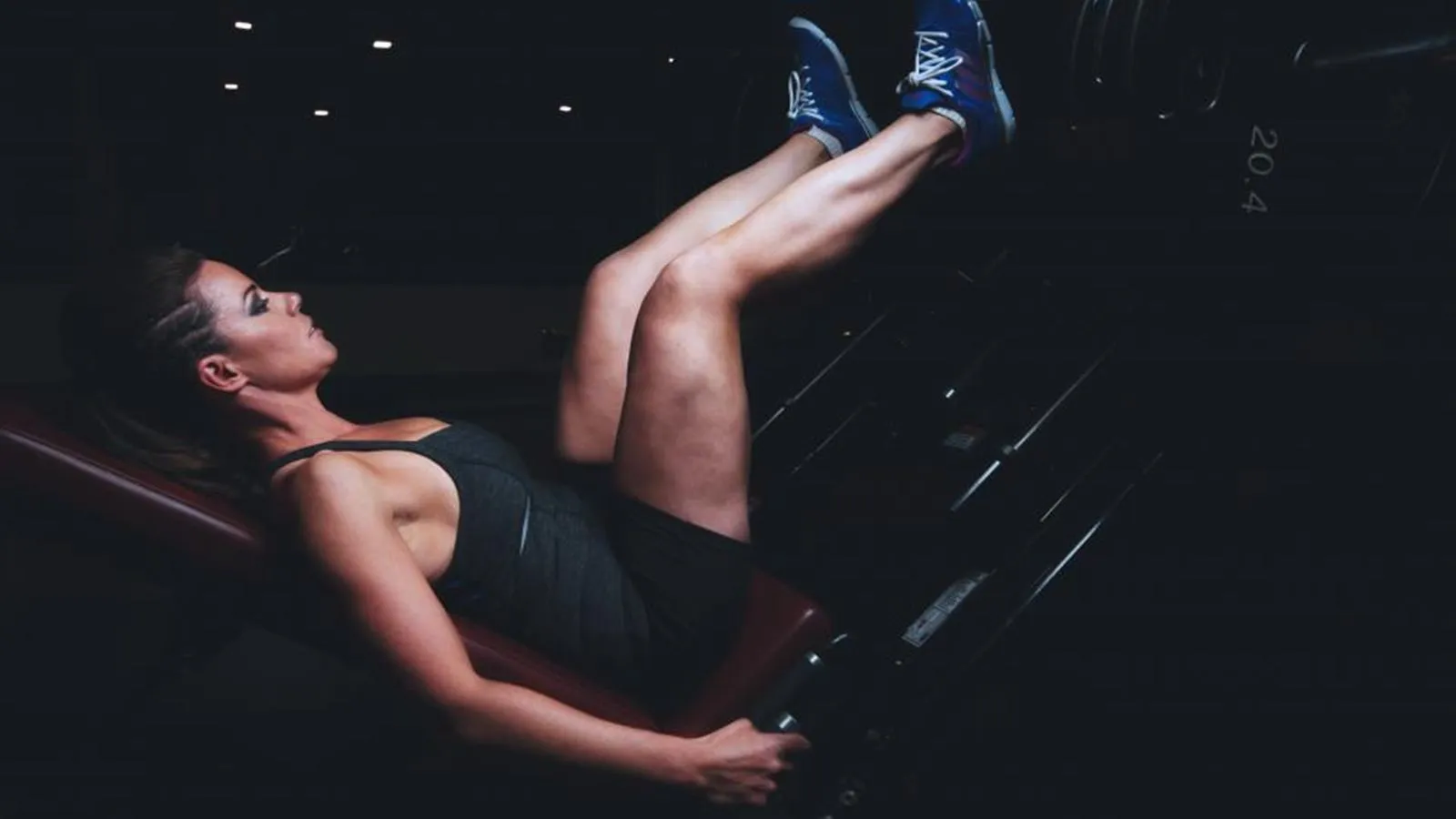
Strength training is one of the best things you can do for your body — and one of the most misunderstood. Here are the five myths we hear most from women, and what the research says instead.
Myth 1: “Lifting weights will make me bulky”
Building large muscles takes years of dedicated training, a surplus of food and, often, genetics most people don’t have. For most women, regular strength training leads to firmer, stronger muscles and better posture — not bulk. You’re also in control: if you ever feel you’re gaining more size than you want, you simply adjust.
Myth 2: “Light weights and high reps are for toning, heavy weights for bulk”
“Toning” is really building some muscle while losing some fat. A meta-analysis found that light and heavy loads built similar amounts of muscle — as long as sets were taken close to failure (Schoenfeld et al., 2017). Heavier loads were better for maximal strength. Both are valid; what matters is effort.
| Load | Reps per set | Best for |
|---|---|---|
| Heavier | 5–8 | Maximal strength |
| Moderate | 8–15 | Muscle and strength — a great default |
| Lighter | 15–30 | Muscle, with less joint load — sets must be hard |
Myth 3: “Strength training is bad for my joints”
Done with good technique and sensible progression, strength training strengthens the muscles and tissues that support your joints. Start with movements you can do pain-free, increase load gradually, and swap any exercise that hurts for a version that doesn’t.
Myth 4: “Cardio is better for health”
Both matter — and strength training has a strong case of its own. A 2022 meta-analysis of prospective studies found that muscle-strengthening activities were associated with a 10–17% lower risk of death from all causes, cardiovascular disease, total cancer and diabetes (Momma et al., 2022). That’s why the WHO recommends muscle-strengthening on two or more days a week in addition to aerobic activity (Bull et al., 2020).
Myth 5: “Older women shouldn’t lift heavy”
The LIFTMOR trial randomised 101 postmenopausal women with low bone mass to either supervised high-intensity resistance and impact training twice a week, or a low-intensity home program. After eight months, the high-intensity group improved bone mineral density at the spine and hip and physical function more than the control group (Watson et al., 2018).
The key word is supervised: participants built up carefully under expert coaching. If you have osteoporosis or low bone density, work with a qualified professional and your doctor. More in strength after 40.
How to start
- Two or three sessions a week, 30 minutes each.
- Five movement patterns: squat, hinge (hip bridge, deadlift), push, pull, carry or core.
- 2–3 sets of 8–15 reps, ending each set with 1–3 good reps left.
- Add reps, then weight, a little at a time.
- Eat enough protein — a palm-sized portion at each meal is a good start.
Your first month
| Week | Sessions | Sets per exercise | Focus |
|---|---|---|---|
| 1 | 2 | 2 | Learn the five patterns with light weights |
| 2 | 2–3 | 2 | Same exercises, a few more reps |
| 3 | 3 | 3 | Slightly heavier; stop each set with 2 reps left |
| 4 | 3 | 3 | Beat one number in every session |
A simple session: goblet squat, push-up (incline if needed), hip bridge or Romanian deadlift, one-arm row, and a plank. About 30 minutes.
How to know it’s working
- The weights you log go up most weeks.
- Stairs, carrying shopping and lifting children feel easier.
- Your posture feels more upright by the end of the day.
- You sleep better and have more energy (many people notice this within weeks).
Strength and the scales
Weight is a poor measure of strength training on its own. Muscle is denser than fat, so the scales may change slowly even when your body is changing. Track strength, how clothes fit and waist measurements too.
Where to train
| Option | Good for |
|---|---|
| Home with dumbbells | Busy schedules, privacy, no commute |
| Gym | More equipment and heavier weights as you progress |
| Group strength class | Coaching, motivation and company |
Any of them works if you train 2–3 times a week and gradually make it harder. If you’re new, a few sessions with a qualified coach can help you learn technique.
FAQ
Can I train during my period? Yes, if you feel up to it. Some women prefer lighter sessions on certain days — listen to your body.
Do I need a gym? No. Dumbbells at home, or bodyweight exercises, are enough to start.
Will I lose weight? Strength training helps you keep muscle while losing fat. Weight change depends mostly on what you eat.
The bottom line
Strength training won’t make you bulky, light and heavy weights both work when sets are hard, and the health benefits are substantial. Two or three short sessions a week is all it takes to start.
Sources
- Schoenfeld BJ et al. (2017). Strength and hypertrophy adaptations between low- vs. high-load resistance training: a systematic review and meta-analysis. Journal of Strength and Conditioning Research. doi:10.1519/JSC.0000000000002200
- Momma H et al. (2022). Muscle-strengthening activities are associated with lower risk and mortality in major non-communicable diseases. British Journal of Sports Medicine. doi:10.1136/bjsports-2021-105061
- Watson SL et al. (2018). High-intensity resistance and impact training improves bone mineral density and physical function in postmenopausal women with osteopenia and osteoporosis: the LIFTMOR randomized controlled trial. Journal of Bone and Mineral Research. doi:10.1002/jbmr.3284
- Bull FC et al. (2020). World Health Organization 2020 guidelines on physical activity and sedentary behaviour. British Journal of Sports Medicine. doi:10.1136/bjsports-2020-102955
This article is general education for healthy adults, not medical advice. Check with a qualified professional before starting a new exercise or nutrition plan, especially if you have a medical condition. Full disclaimer.
Keep reading
Morning or Evening Workouts? Pick the One You'll Keep
The best time to train is the one that survives your real week. How to choose, and how to turn it into an automatic habit.
Strength Training After 40: Muscle, Bones and Menopause
Why lifting matters more with every decade, what the LIFTMOR trial found about bone density, and how to start safely.

Exercise for Stress and Low Mood: What a Huge Review Found
An overview of 97 reviews covering more than 128,000 people found physical activity meaningfully reduced depression, anxiety and distress. Here's how to use it.