Wellness
The 120-Minute Rule: Why Time in Nature Is Good for You
August 29, 2026 · 4 min read · Sleep & Recovery
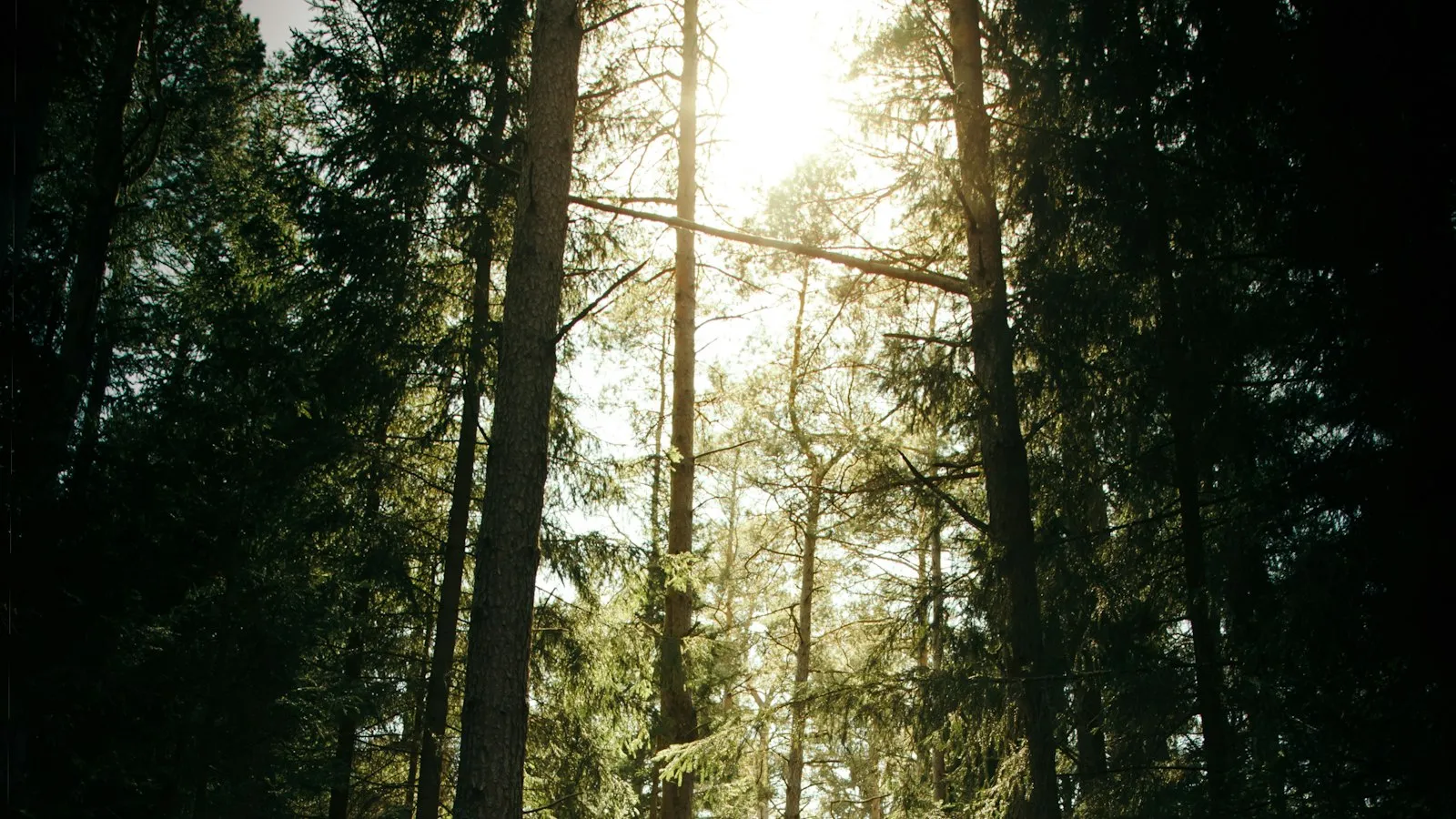
Most of us spend the vast majority of our time indoors. A large study suggests there may be a simple, measurable target for getting back outside.
The study
In 2019, Mathew White and colleagues analysed data from almost 20,000 adults in England (White et al., 2019). Participants reported how much time they had spent in natural settings — parks, woodland, beaches and countryside — over the previous week, along with their health and wellbeing.
White et al., 2019
The findings
| Weekly time in nature | Association with health and wellbeing |
|---|---|
| None | Baseline |
| Under 120 minutes | No clear benefit |
| 120 minutes or more | Significantly higher odds of reporting good health and high wellbeing |
| 200–300 minutes | Benefits appeared to peak |
Two details make this practical:
- It didn’t matter how the 120 minutes was split. One long weekend walk or several short visits worked similarly.
- The association held across age groups, occupations and ethnic groups, and for people with long-term health conditions.
This was observational research, so it can’t prove that nature causes better health — healthier people might simply get outside more. But it gives a clear, achievable target.
How to get your 120 minutes
That’s about 17 minutes a day, or two one-hour outings a week.
| Approach | Weekly total |
|---|---|
| 17-minute park walk every day | ~120 min |
| Lunch outside 3× (20 min) + weekend hike (60 min) | 120 min |
| Two 1-hour weekend outings | 120 min |
| Walking route through a park on 5 commutes (15 min each way) | 150 min |
Ideas:
- Walk through a park on your commute instead of along the main road.
- Take lunch outside two or three times a week.
- Do your weekend workout outdoors — a run, a hike, a park bodyweight session.
- Take walking meetings in green spaces.
- Plan one longer outing each weekend: a hike, a beach walk, a forest trail.
Double up with movement
Combining nature with activity also helps you towards the WHO’s recommendation of at least 150 minutes of moderate activity a week (Bull et al., 2020). A brisk 30-minute walk in a park, four times a week, ticks both boxes.
| Week plan | Nature minutes | Activity minutes |
|---|---|---|
| 4 × 30-min brisk park walk | 120 | 120 |
| + 1 × 45-min weekend hike | 45 | 45 |
| Total | 165 | 165 |
No big park nearby?
Urban green space counts. Tree-lined streets, community gardens, riversides and small parks all qualify as natural settings in the study’s terms. “Blue spaces” — beaches, lakes and rivers — counted too.
Make the most of your time outside
- Leave the headphones off for some of it and notice what you can see and hear.
- Go in daylight when you can — morning light also helps anchor your body clock.
- Bring someone along — combining nature with social time is a bonus.
- Dress for the weather so it’s not a reason to stay in.
Winter and bad weather
Short days and rain make this harder. Lower the bar: 10-minute walks around the block at lunchtime still count, and a waterproof jacket opens up far more days. Save longer outings for the brighter weekend days.
Why might nature help?
Researchers have suggested several explanations: time outdoors often comes with physical activity, less noise and air pollution, more daylight, social time, and a break from screens and work. The study wasn’t designed to tell these apart, and it’s likely several work together. You don’t need to know which one matters to benefit: getting outside covers them all.
A 4-week plan to build the habit
| Week | Target | How |
|---|---|---|
| 1 | 60 minutes | Two 30-minute walks in a park |
| 2 | 90 minutes | Add outdoor lunch breaks on two days |
| 3 | 120 minutes | Add a longer weekend outing |
| 4 | 120+ minutes | Make it routine: same days, same places |
Track your minutes on paper or in your phone for the first month. Once it’s routine, you won’t need to.
Getting outside with family
- Make weekend outings an activity: a picnic, a nature trail, a bike ride.
- Let children choose the route or set a challenge, like spotting five types of tree.
- Walk or cycle to school or the shops when possible.
- Swap one indoor activity a week for an outdoor one.
FAQ
Does my garden count? Time in natural settings near home may help, but the study focused on visits to places like parks, woodland and beaches. A walk to a local park is an easy upgrade.
What about exercising in a gym near a window? Good for fitness, but it’s not the same as being outside.
The bottom line
Aim for at least two hours a week in green or blue spaces, split however you like. Pair it with walking or training and you’re improving several habits at once.
Sources
- White MP et al. (2019). Spending at least 120 minutes a week in nature is associated with good health and wellbeing. Scientific Reports. doi:10.1038/s41598-019-44097-3
- Bull FC et al. (2020). World Health Organization 2020 guidelines on physical activity and sedentary behaviour. British Journal of Sports Medicine. doi:10.1136/bjsports-2020-102955
This article is general education for healthy adults, not medical advice. Check with a qualified professional before starting a new exercise or nutrition plan, especially if you have a medical condition. Full disclaimer.
Keep reading

How Much Sleep Do You Really Need?
What two expert consensus panels concluded, a chart of recommended hours by age, and a practical plan to get more.

Caffeine and Sleep: When Should You Have Your Last Coffee?
A sleep study found caffeine six hours before bed still cut sleep by more than an hour. Here's how to set your cut-off.

The 30-Minute Wind-Down Routine for Better Sleep
A simple evening routine that tells your body it's time to switch off.