Wellness
Should You Stretch Before Exercise? What a Major Review Found
September 10, 2026 · 4 min read · Sleep & Recovery
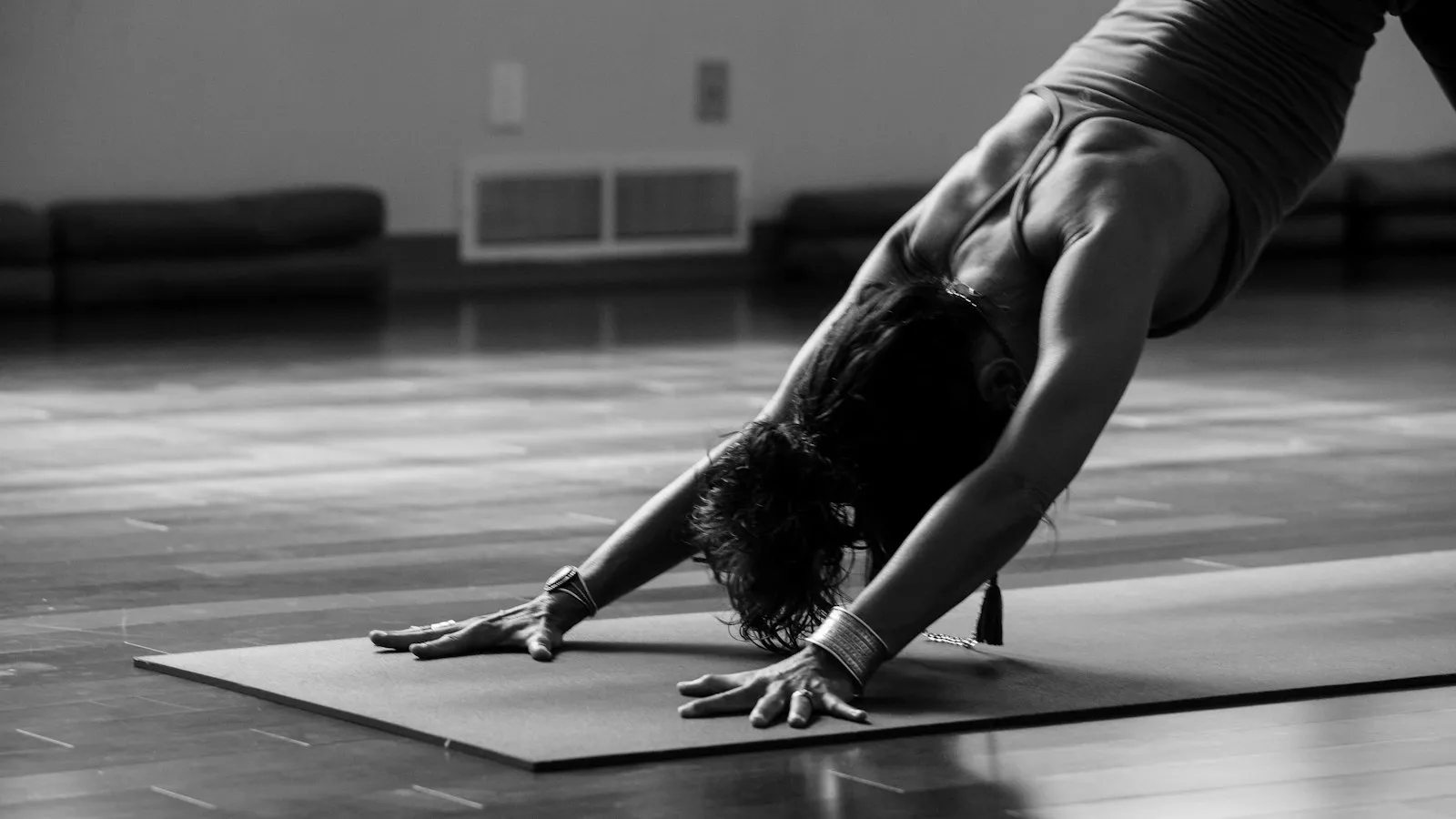
Few topics in fitness have flip-flopped as much as stretching. First it was essential, then it was harmful, now it’s “it depends”. Here’s what the evidence actually says.
The review
In 2016, David Behm and colleagues published a large review in Applied Physiology, Nutrition, and Metabolism on the acute effects of stretching in healthy, active people (Behm et al., 2016). It looked at three types of stretching and how each affected performance, range of motion and injury.
The three types of stretching
| Type | What it is | Example |
|---|---|---|
| Static | Holding a stretched position | Holding a hamstring stretch for 30 s |
| Dynamic | Moving through a range of motion with control | Leg swings, walking lunges |
| PNF | Stretch, contract the muscle, then stretch further | Partner hamstring stretch with a push against resistance |
Key findings
| Question | What the review found |
|---|---|
| Does static stretching hurt performance? | Holds under ~60 s per muscle had small, often trivial effects. Longer holds were more likely to reduce strength and power temporarily. |
| Does dynamic stretching help? | Tended to produce small improvements in performance. |
| Does stretching increase range of motion? | Yes — all types increased range of motion acutely. |
| Does stretching prevent injury? | No clear effect on overall injury rates, though there was some evidence of fewer muscle strain injuries in running and sprinting sports. |
The authors also noted that when stretching is included in a full warm-up with dynamic activity, any negative effects are largely offset.
The warm-up matters more
A separate systematic review found that warming up improved performance in the majority of the outcomes studied (Fradkin et al., 2010). So the question isn’t really “stretch or not?” — it’s “what does a good warm-up look like?”
What this means for you
Before training:
- Focus on a dynamic warm-up: light cardio, leg swings, lunges with rotation, arm circles.
- Short static stretches (under 30–60 seconds) are fine if they help you feel ready — just don’t make them the main event.
- Finish with ramp-up sets of your first exercise.
After training or on separate days:
- This is the best time for longer static stretching if your goal is flexibility.
- Regular stretching over weeks is how range of motion improves long-term.
A sample pre-workout routine (8 minutes)
| Time | Activity |
|---|---|
| 0–3 min | Light cardio: brisk walk, bike or skipping |
| 3–5 min | Leg swings (10 each way), walking lunges with rotation (6 each side) |
| 5–6 min | Arm circles and band pull-aparts (15) |
| 6–7 min | Optional: 20–30 s static stretch for any tight spot |
| 7–8 min | 1–2 light sets of your first exercise |
See the full version in the 8-minute warm-up.
A sample post-workout stretch (5 minutes)
Hold each for 30 seconds per side, breathing slowly:
- Standing quad stretch
- Seated hamstring stretch
- Kneeling hip flexor stretch
- Doorway chest stretch
- Child’s pose
Who might need more stretching?
| You… | Consider |
|---|---|
| Play a sport that needs big ranges (dance, gymnastics, martial arts) | Regular static and dynamic flexibility work |
| Sprint or play running sports | Dynamic warm-ups; the review found some evidence of fewer strains |
| Lift weights and want deeper squats | Mobility work for hips and ankles, plus practice in the full range |
| Sit all day and feel stiff | Short daily mobility sessions |
Common mistakes
- Long static holds right before maximum-effort lifts or sprints. Save them for later.
- Bouncing into static stretches. Ease in gradually.
- Stretching into pain. You should feel tension, not sharp pain.
- Skipping the warm-up entirely. That’s the bigger problem.
Building flexibility over time
If improving range of motion is your goal, consistency matters more than any single session:
| Frequency | Example |
|---|---|
| 3–5 days a week | 10 minutes after training or in the evening |
| 2–4 stretches per tight area | Hamstrings, hip flexors, calves, chest |
| 30 s per stretch, 2 rounds | Breathe slowly; ease further on each exhale |
Stretching for sport
| Sport | Before | After |
|---|---|---|
| Running | Dynamic warm-up, strides | Calves, hip flexors, hamstrings |
| Lifting | Dynamic warm-up, ramp-up sets | Areas that feel tight |
| Football and court sports | Dynamic warm-up with sprints and changes of direction | Hips, groin, calves |
| Yoga or dance | Range is the goal, so longer holds are part of training |
The review’s finding that long static holds may temporarily reduce strength and power matters most for sports that need maximal effort straight after the warm-up (Behm et al., 2016).
FAQ
Is stretching useless? No — it reliably increases range of motion. It’s just not a magic injury shield.
How long should I hold a stretch for flexibility? Around 30 seconds per stretch, repeated over weeks, is a common and practical approach.
The bottom line
Warm up dynamically, keep any pre-workout static stretches short, and save longer stretching for after training if you want to improve flexibility.
Sources
- Behm DG et al. (2016). Acute effects of muscle stretching on physical performance, range of motion, and injury incidence in healthy active individuals. Applied Physiology, Nutrition, and Metabolism. doi:10.1139/apnm-2015-0235
- Fradkin AJ, Zazryn TR, Smoliga JM (2010). Effects of warming-up on physical performance: a systematic review with meta-analysis. Journal of Strength and Conditioning Research. doi:10.1519/JSC.0b013e3181c643a0
This article is general education for healthy adults, not medical advice. Check with a qualified professional before starting a new exercise or nutrition plan, especially if you have a medical condition. Full disclaimer.
Keep reading

How Much Sleep Do You Really Need?
What two expert consensus panels concluded, a chart of recommended hours by age, and a practical plan to get more.

Caffeine and Sleep: When Should You Have Your Last Coffee?
A sleep study found caffeine six hours before bed still cut sleep by more than an hour. Here's how to set your cut-off.

The 30-Minute Wind-Down Routine for Better Sleep
A simple evening routine that tells your body it's time to switch off.