Kitchen
How Many Vegetables Should You Eat? More Than 5 a Day, Says the Research
September 7, 2026 · 5 min read · Nutrition & Recipes
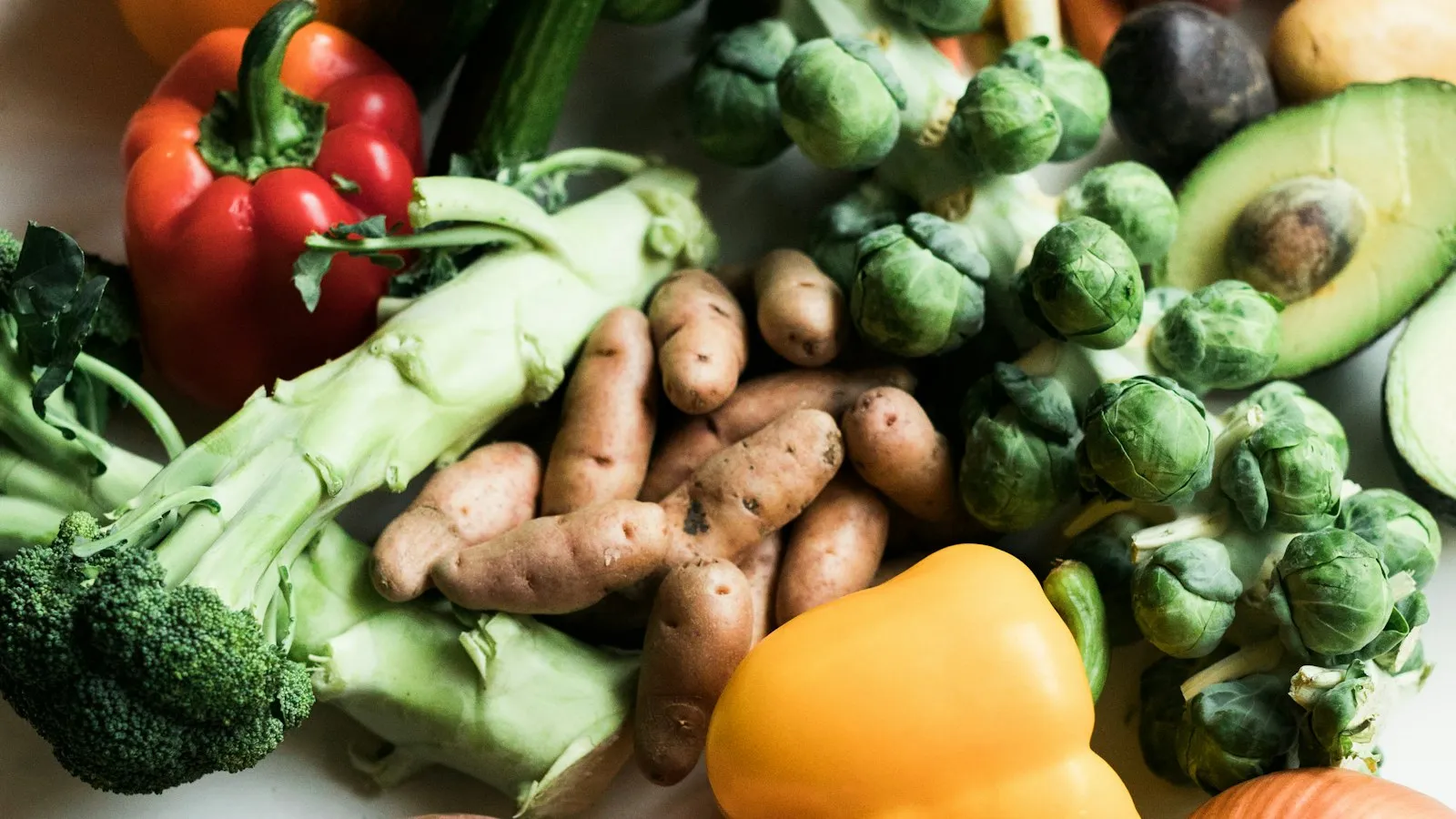
“Five a day” is one of the most famous nutrition messages in the world. But is five portions the ideal, or just a good start?
What the research found
In 2017, Dagfinn Aune and colleagues at Imperial College London published a systematic review and meta-analysis in the International Journal of Epidemiology, analysing 95 prospective studies on fruit and vegetable intake and long-term health.
Aune et al., International Journal of Epidemiology (2017)
Key findings, from observational data:
- Even 200 g a day (about two and a half portions) was associated with a lower risk of heart disease, stroke, cancer and early death, compared with eating none.
- Risk continued to fall with higher intakes, with the lowest risk around 800 g a day for cardiovascular disease and all-cause mortality.
- For total cancer, the benefit appeared to level off around 600 g a day.
Aune et al. (2017). One portion is about 80 g.
View as table
| Item | g/day |
|---|---|
| Linked to lower risk vs none | 200 |
| "Five a day" (5 × 80 g) | 400 |
| Cancer benefit levelled off | 600 |
| Lowest risk of heart disease and death | 800 |
Observational studies can’t prove cause and effect — people who eat lots of vegetables often have other healthy habits — but the consistency across 95 studies is striking. Fruit and vegetables are also major sources of fibre, which a separate large review linked to lower risk of several chronic diseases.
What counts as a portion?
A portion is about 80 g:
| Food | One portion (~80 g) |
|---|---|
| Broccoli | 2 spears |
| Carrots | 3 heaped tbsp, sliced |
| Salad leaves | 1 cereal bowl |
| Tomatoes | 1 medium or 7 cherry tomatoes |
| Peas, sweetcorn | 3 heaped tbsp |
| Apple, banana, pear, orange | 1 medium fruit |
| Berries | 2 handfuls |
| Beans or lentils | 3 heaped tbsp |
| Dried fruit | 1 heaped tbsp (30 g) |
Ten a day sounds a lot — here’s how
| Meal | Add | Portions |
|---|---|---|
| Breakfast | Berries on oats; spinach and tomato in eggs | 2 |
| Lunch | Big salad, or a veg-loaded soup | 2–3 |
| Snacks | A piece of fruit + carrot sticks with hummus | 2 |
| Dinner | Half the plate vegetables; beans in the sauce | 3 |
That’s 9–10 portions without a single “diet” meal.
Tricks that work
- Half-plate rule: fill half your dinner plate with vegetables before adding anything else.
- Frozen is fine: frozen vegetables and berries are nutritious, cheap, quick and don’t go off.
- Hide them: grate courgette and carrot into pasta sauces, chilli and burgers.
- Roast in bulk: a big tray of roasted veg on Sunday covers several meals.
- Start with soup: a vegetable soup before dinner adds two portions easily.
- Eat the rainbow: different colours tend to bring different nutrients.
Budget-friendly picks
Carrots, cabbage, onions, frozen peas, frozen spinach, tinned tomatoes, tinned beans, bananas, apples and seasonal produce are usually the cheapest per portion. Frozen and tinned options (in water, without added salt or sugar) count fully.
Build up one portion a week
Jumping straight to ten portions is a big change. Add one a week instead:
| Week | Add | Running total (from 3) |
|---|---|---|
| 1 | A piece of fruit at breakfast | 4 |
| 2 | Salad or soup with lunch | 5 |
| 3 | A vegetable snack such as carrot sticks or cherry tomatoes | 6 |
| 4 | An extra portion of veg at dinner | 7 |
| 5 | Beans or lentils in one meal a day | 8 |
| 6 | Berries or fruit with yoghurt | 9 |
| 7 | Spinach or peppers in your eggs or wrap | 10 |
The fibre bonus
Vegetables, fruit and legumes are also among the best sources of fibre. A large set of reviews in The Lancet found that people eating 25–29 g of fibre a day had a 15–30% lower risk of death from all causes and from cardiovascular disease than those eating the least (Reynolds et al., 2019). Ten portions a day goes a long way towards that target. More in our fibre guide.
Stop vegetables going to waste
| Produce | Store it | Use it within |
|---|---|---|
| Leafy salad | Fridge, in its bag with a dry paper towel | 3–5 days |
| Broccoli, peppers, courgettes | Fridge crisper drawer | About a week |
| Carrots, cabbage | Fridge | Two weeks or more |
| Onions, potatoes | Cool, dark cupboard, apart from each other | Several weeks |
| Bananas, tomatoes | Room temperature | Until ripe, then eat |
| Anything near its end | Chop and freeze, or roast and refrigerate |
Eating out
- Order a side salad or side of vegetables with every main.
- Choose tomato-based sauces, soups and stir-fries.
- Start with a vegetable starter instead of bread.
- Ask for extra vegetables in wraps, burritos and sandwiches.
FAQ
Do potatoes count? In many guidelines potatoes count as a starchy food rather than a vegetable portion, but they’re still a nutritious part of a meal — especially with the skin on.
Does fruit juice count? A small glass usually counts as one portion at most, however much you drink. Whole fruit is better because it keeps the fibre.
Are smoothies OK? Yes, especially if they contain whole fruit and vegetables. They’re best alongside, not instead of, whole produce.
Do I need organic produce? The research above is about eating more fruit and vegetables in general. Eating more of any kind matters more than which kind.
Are tinned vegetables as good? They count, and they’re convenient. Choose versions in water without added salt or sugar.
The bottom line
Five a day is a good start, but the research suggests more is better — up to around 800 g (ten portions). Use frozen veg, the half-plate rule and big batches of roasted vegetables to get there.
Sources
- Aune D et al. (2017). Fruit and vegetable intake and the risk of cardiovascular disease, total cancer and all-cause mortality. International Journal of Epidemiology. doi:10.1093/ije/dyw319
- Reynolds A et al. (2019). Carbohydrate quality and human health: a series of systematic reviews and meta-analyses. The Lancet. doi:10.1016/S0140-6736(18)31809-9
This article is general education for healthy adults, not medical advice. Check with a qualified professional before starting a new exercise or nutrition plan, especially if you have a medical condition. Full disclaimer.
Keep reading
How Much Protein Do You Need to Build Muscle?
What the biggest meta-analysis on protein and strength training found — plus a bodyweight chart, food chart and a simple daily plan.
Protein Timing: Does It Matter When You Eat It?
The anabolic window, per-meal targets and why spreading protein through the day may help.
The 90-Minute Sunday Meal Prep System
Cook once, eat well all week. A step-by-step workflow, shopping list and storage guide.