Kitchen
The High-Protein Grocery List: What to Buy, Aisle by Aisle
August 30, 2026 · 5 min read · Nutrition & Recipes
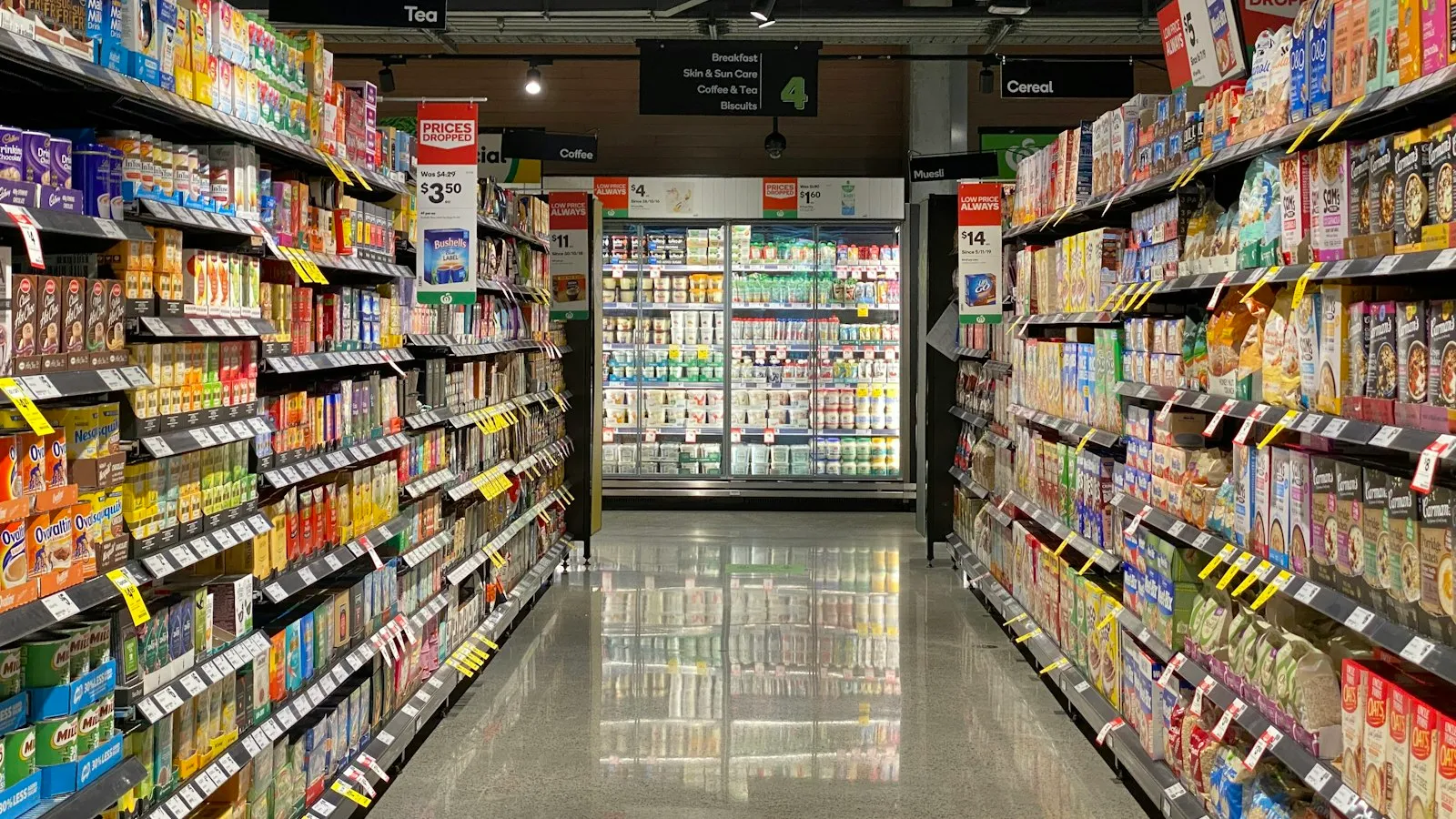
Hitting a protein target of around 1.6 g per kg of bodyweight — the level where benefits levelled off in a 2018 meta-analysis (Morton et al., 2018) — is much easier when your kitchen is set up for it. Here’s what to buy, aisle by aisle.
Think “protein per calorie”
Some foods give you a lot of protein for relatively few calories; others bring plenty of fat or carbohydrate along too. Both have their place, but if you’re trying to raise protein without raising calories much, the foods at the top of this chart are your friends.
Calculated from standard food-composition values per 100 g. Brands and cuts vary — check labels.
View as table
| Item | g |
|---|---|
| Prawns | 23.5 |
| Tuna (tinned in water) | 22.4 |
| Cod | 22 |
| Egg whites | 21 |
| Chicken breast | 18.8 |
| Skyr | 17.5 |
| Greek yoghurt (0%) | 17.3 |
| Cottage cheese | 13.1 |
| Firm tofu | 12 |
| Whole eggs | 8.8 |
| Lentils (cooked) | 7.8 |
Fridge
| Item | Why it earns its place |
|---|---|
| Greek yoghurt or skyr (plain) | ~10 g protein per 100 g; breakfasts, sauces, snacks |
| Cottage cheese | ~11 g per 100 g; sweet or savoury |
| Eggs | ~6 g each; the most versatile protein there is |
| Chicken breast or thighs | ~25–31 g per 100 g cooked |
| Firm tofu | ~12–17 g per 100 g; absorbs any flavour |
| Tempeh | ~19 g per 100 g |
| Milk or soy milk | ~8 g per 250 ml glass |
| Hard cheese | Flavour plus protein in small amounts |
Freezer
| Item | Why |
|---|---|
| Prawns | Cook from frozen in minutes |
| White fish fillets | Lean, quick and cheap |
| Chicken or turkey mince | Burgers, chilli, meatballs |
| Edamame | ~11 g per 100 g; snack or stir-fry |
| Frozen vegetables and berries | Easy portions, no waste |
Cupboard
| Item | Why |
|---|---|
| Tinned tuna, salmon, sardines | ~20–25 g per tin; no cooking needed |
| Tinned beans, lentils and chickpeas | Protein plus fibre, very cheap |
| Dried red lentils | Cook in 15 minutes for soups and dals |
| Oats | Base for high-protein breakfasts |
| Peanut butter | Protein and healthy fats |
| Quinoa | Higher protein than most grains |
| Protein powder (optional) | Convenient top-up |
How much protein per meal?
The ISSN position stand on protein suggests spreading intake across the day in servings of roughly 20–40 g (Jäger et al., 2017). The list above makes that easy:
| Meal | Example | Protein |
|---|---|---|
| Breakfast | 200 g Greek yoghurt + oats + berries | ~25 g |
| Lunch | Tin of tuna + beans + salad | ~35 g |
| Snack | 150 g cottage cheese + fruit | ~17 g |
| Dinner | 150 g chicken thighs + rice + frozen veg | ~38 g |
Budget tips
- Cheapest protein per gram is usually found in dried and tinned legumes, eggs, milk, tinned fish, chicken thighs and own-brand Greek yoghurt.
- Buy in bulk and freeze: chicken, mince and fish freeze well.
- Compare by protein, not by price per pack. A more expensive product with twice the protein can be better value. Divide the price by the grams of protein in the pack.
- Frozen beats fresh for fish and vegetables you won’t use within a couple of days — less waste.
Reading labels quickly
- Check protein per 100 g — not per serving, which varies by brand.
- On yoghurts, compare sugar too: plain versions plus your own fruit usually win.
- “High protein” on a snack bar doesn’t make it a good choice; check the calories alongside.
A weekly basket for ~130 g/day
7 × Greek yoghurt pots · 12 eggs · 1 kg chicken thighs · 400 g tofu · 4 tins tuna or salmon · 4 tins beans or lentils · 500 g cottage cheese · 2 L milk · oats, rice, frozen veg, fruit.
How much protein do you need?
Benefits for muscle levelled off at around 1.6 g per kg of bodyweight per day in a 2018 meta-analysis (Morton et al., 2018).
| Bodyweight | Daily target (1.6 g/kg) | Spread over 4 meals |
|---|---|---|
| 55 kg | 88 g | ~22 g per meal |
| 70 kg | 112 g | ~28 g per meal |
| 85 kg | 136 g | ~34 g per meal |
| 100 kg | 160 g | ~40 g per meal |
Vegetarian and vegan swaps
| Instead of | Vegetarian | Vegan |
|---|---|---|
| Chicken | Eggs, halloumi | Firm tofu, tempeh, seitan |
| Tinned tuna | Cottage cheese | Tinned chickpeas or edamame |
| Mince | Lentils + cheese | Lentils, soy mince |
| Greek yoghurt | Skyr | Soy yoghurt + pea protein |
| Whey powder | Whey or casein | Pea or soy protein powder |
See our plant protein guide for portion sizes.
Meal-prep friendly picks
These hold up well in the fridge for a few days and reheat well: chicken thighs, turkey mince, lentils, chickpeas, hard-boiled eggs, baked tofu and cooked grains. Follow the usual food-safety rule of eating refrigerated cooked food within 3–4 days.
FAQ
Is protein powder necessary? No. It’s a convenient top-up when whole foods fall short.
Are chicken thighs okay instead of breast? Yes. They have a bit more fat but are cheaper, juicier and harder to overcook.
The bottom line
Stock the fridge, freezer and cupboard with a few reliable proteins and you’ll hit your daily target almost on autopilot. Download our free printable list to take to the shop.
Sources
- Morton RW et al. (2018). A systematic review, meta-analysis and meta-regression of the effect of protein supplementation on resistance training-induced gains in muscle mass and strength. British Journal of Sports Medicine. doi:10.1136/bjsports-2017-097608
- Jäger R et al. (2017). International Society of Sports Nutrition Position Stand: protein and exercise. Journal of the International Society of Sports Nutrition. doi:10.1186/s12970-017-0177-8
This article is general education for healthy adults, not medical advice. Check with a qualified professional before starting a new exercise or nutrition plan, especially if you have a medical condition. Full disclaimer.
Keep reading
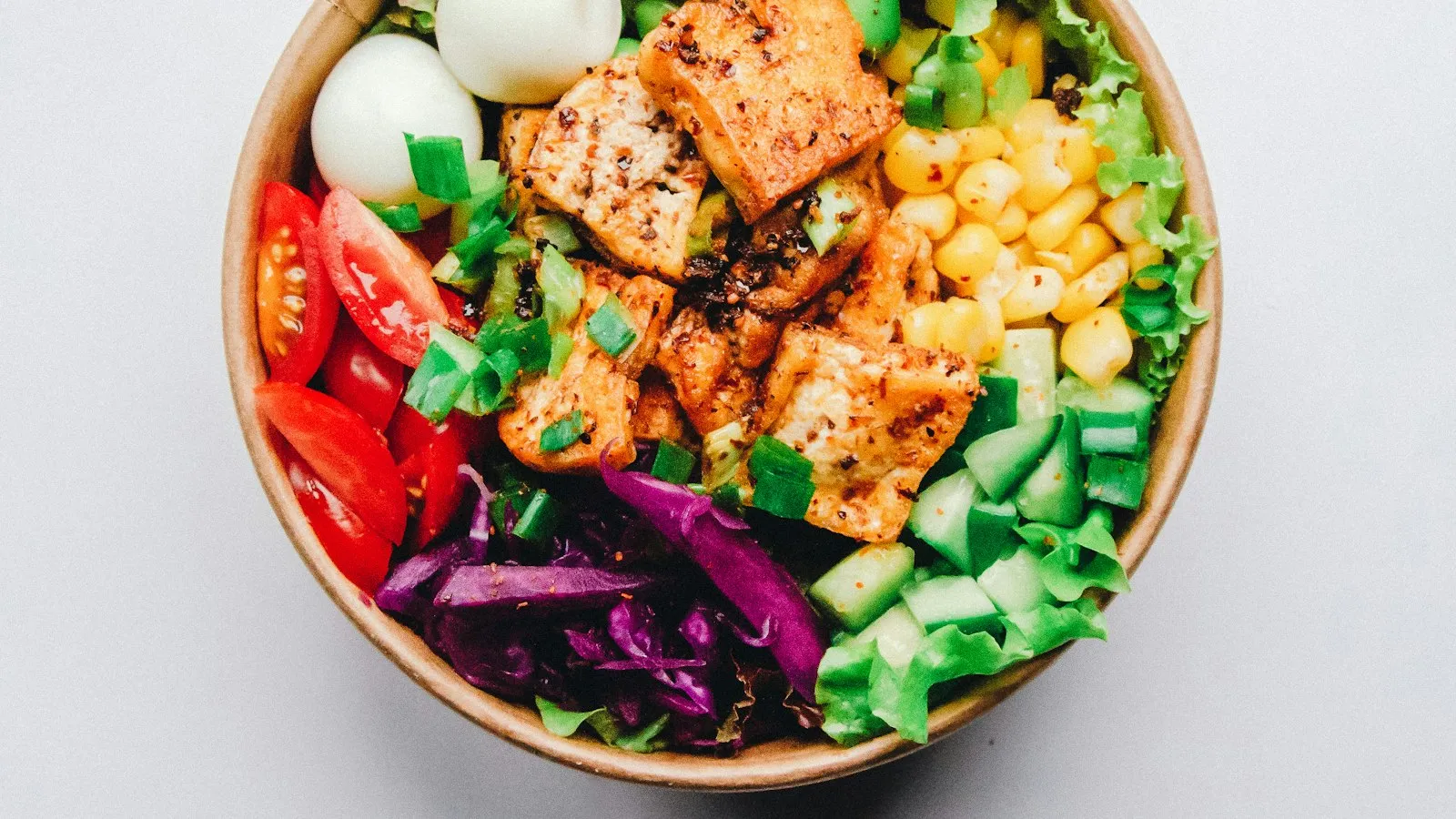
How Much Protein Do You Need to Build Muscle?
What the biggest meta-analysis on protein and strength training found — plus a bodyweight chart, food chart and a simple daily plan.
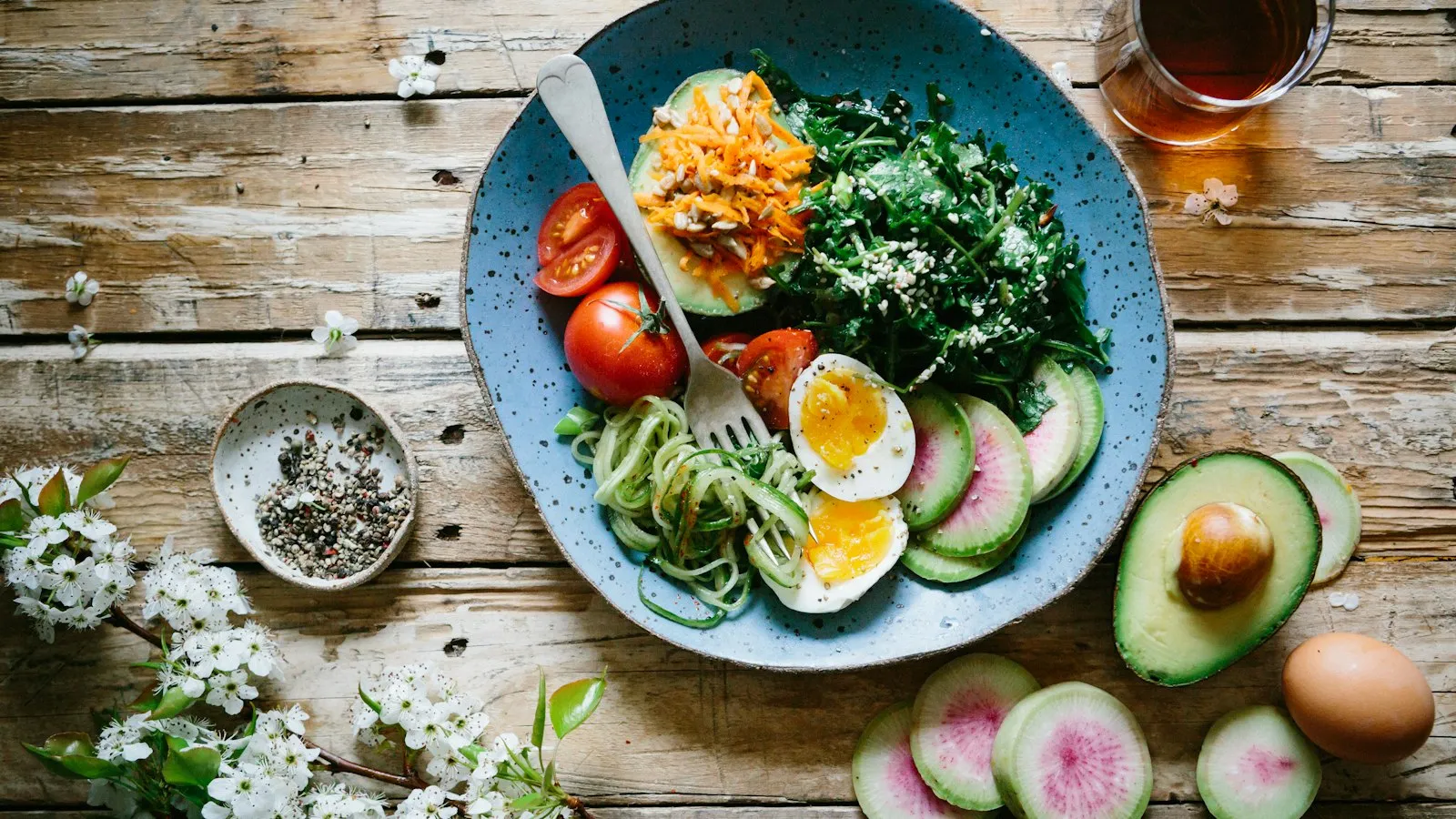
Protein Timing: Does It Matter When You Eat It?
The anabolic window, per-meal targets and why spreading protein through the day may help.
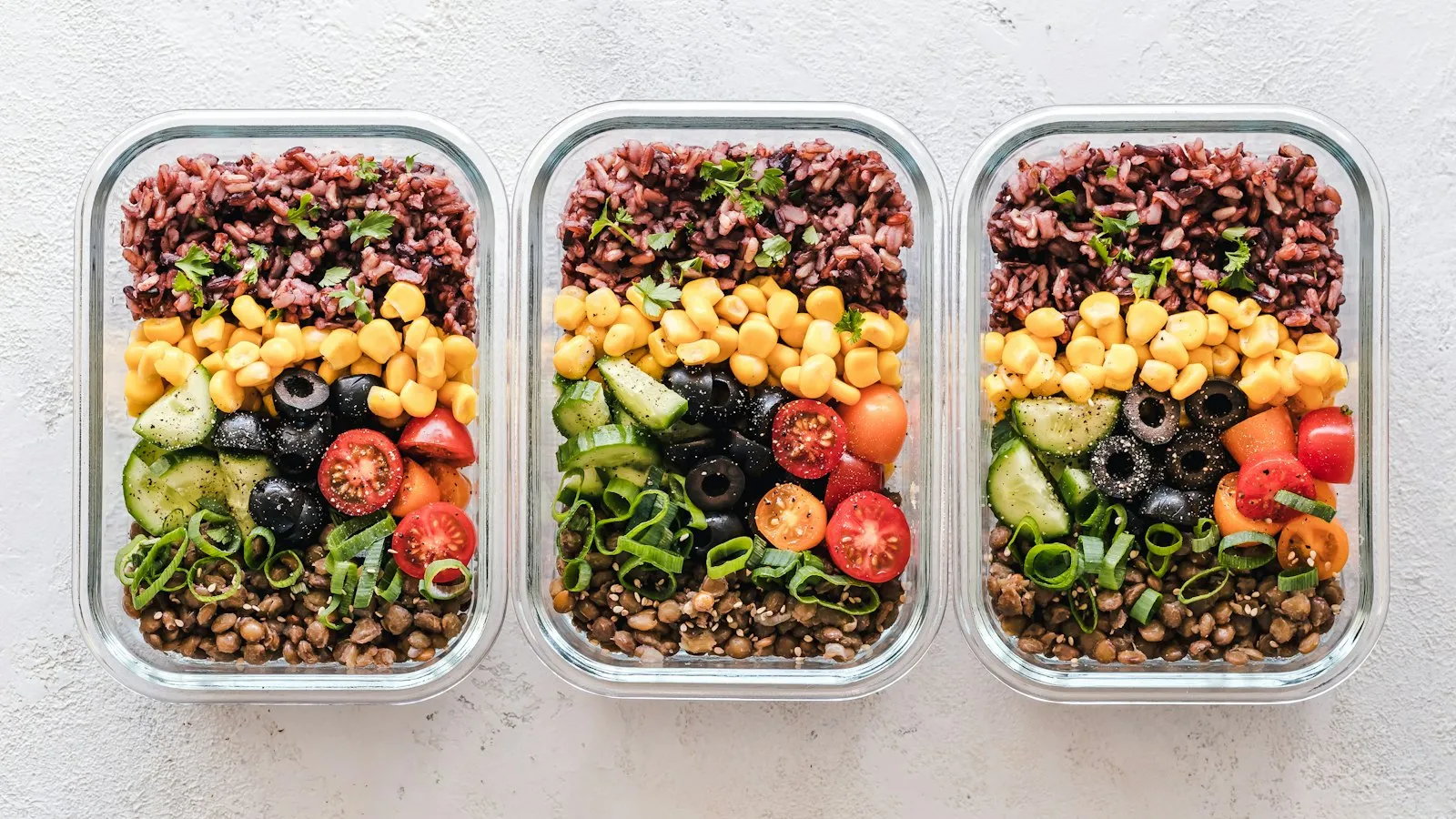
The 90-Minute Sunday Meal Prep System
Cook once, eat well all week. A step-by-step workflow, shopping list and storage guide.