New Mothers
Eating Well With a Newborn (When You Have No Time to Cook)
October 9, 2026 · 4 min read · New Mothers
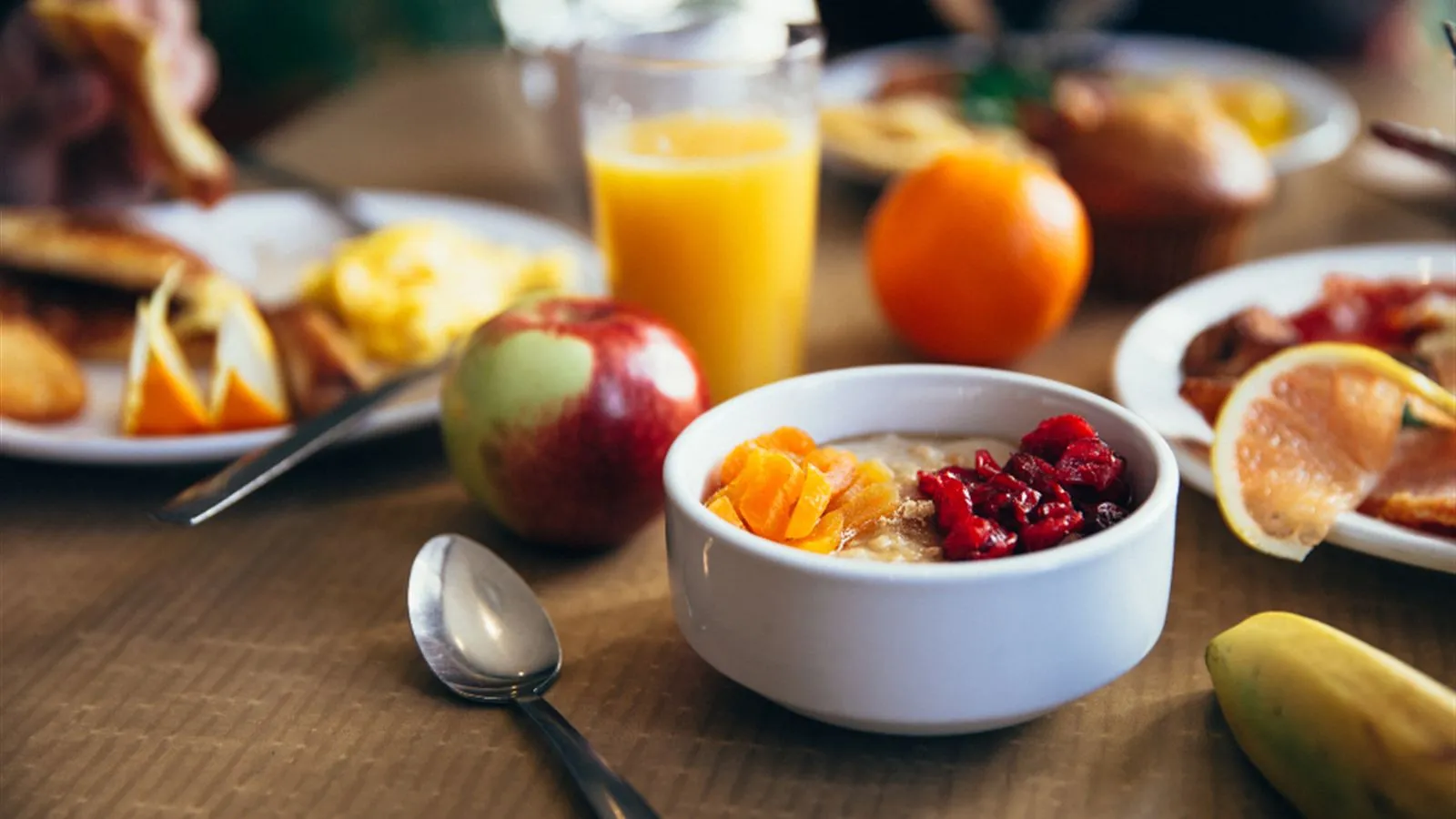
In the newborn weeks, meals often become whatever you can grab between feeds. That’s normal — but eating regularly makes a real difference to your energy, mood and recovery. This guide is about making good food easy, not perfect.
If you’re breastfeeding, have a medical condition, or are trying to lose weight, your doctor, midwife or a registered dietitian can give you personalised advice. Very low-calorie diets aren’t recommended while breastfeeding.
The simple daily template
| Every meal | Why |
|---|---|
| A protein — eggs, yoghurt, chicken, fish, beans, lentils, tofu | Keeps you full and supports recovery |
| A starchy carb — oats, wholegrain bread, rice, potatoes | Steady energy |
| Fruit or vegetables | Vitamins, minerals and fibre |
| A drink — especially water | Hydration, particularly if breastfeeding |
The ISSN recommends spreading protein across the day in servings of roughly 20–40 g (Jäger et al., 2017). Fruit and vegetables matter too: higher intakes were linked to lower risk of heart disease and early death, with the lowest risk around 800 g a day (Aune et al., 2017).
One-handed snacks
Keep these within reach of where you feed:
- Greek yoghurt pots or skyr
- Bananas, apples and satsumas
- Cheese and wholegrain crackers
- Nuts and dried fruit
- Hard-boiled eggs (cook a batch)
- Hummus with breadsticks or pitta
- Oat bars or homemade muffins
- A glass of milk or a smoothie
Freezer meals: cook before (or let others cook)
When friends ask “what can I do?”, ask for a meal. Freeze in single portions:
| Meal | Why it works |
|---|---|
| Bolognese or chilli | Reheats well; add microwave rice |
| Lentil or vegetable soup | Eat with one hand from a mug |
| Curry with chickpeas or chicken | Big flavour, freezes beautifully |
| Shepherd’s pie or lasagne | One dish, whole meal |
| Breakfast burritos | Grab from the freezer, microwave, eat |
Fibre and fluids
After birth, constipation is common — especially with iron supplements or pain relief. Fibre and fluids help. A large set of reviews linked eating 25–29 g of fibre a day with lower risk of several diseases (Reynolds et al., 2019). Easy fibre: oats, wholegrain bread, lentils, beans, fruit and vegetables, with plenty of water.
A realistic newborn-day menu
| Time | Food |
|---|---|
| Night feed | Glass of milk, a banana |
| Morning | Overnight oats with yoghurt and berries (made the night before) |
| Mid-morning | Cheese and crackers |
| Lunch | Soup from the freezer with wholegrain bread |
| Afternoon | Hummus and pitta, an apple |
| Dinner | Frozen chilli with microwave rice and a bag of salad |
Accept help — and make it easy
- Put a shopping list on the fridge so helpers know what to buy.
- Use online grocery delivery.
- Keep a “meal train” note for friends and family.
About weight loss
Many women want to lose pregnancy weight. Focus first on regular meals, sleep when you can, and gentle activity. Slow, gradual change is kinder to your body and your energy — and if you’re breastfeeding, talk to your doctor or midwife before cutting calories.
A 20-minute batch session (when you get the chance)
| Task | Makes |
|---|---|
| Overnight oats in 4 jars | 4 breakfasts |
| Boil 6 eggs | Snacks for 3 days |
| Tray of roasted vegetables | Sides for 3 dinners |
| Pot of rice or quinoa | Base for 4 meals |
Even one of these makes the next few days easier.
Breastfeeding and fluids
Many breastfeeding mothers feel thirsty while feeding. Keep a large water bottle where you feed and drink to thirst. Pale yellow urine is a good sign you’re drinking enough.
Iron and recovery
Blood loss during birth can lower iron levels. Your doctor may check them after birth. Iron-rich foods include red meat, beans, lentils, tofu, eggs and fortified cereals — pair plant sources with vitamin C (peppers, citrus, berries) to help absorption. Only take iron supplements if your doctor advises.
Partner’s shopping list
| Category | Buy |
|---|---|
| Quick protein | Eggs, Greek yoghurt, cooked chicken, tinned fish, hummus |
| Easy carbs | Oats, wholegrain bread, microwave rice, wraps |
| Fruit and veg | Bananas, apples, satsumas, bagged salad, frozen veg |
| Snacks | Cheese, crackers, nuts, oat bars |
FAQ
Do I need to eat for two while breastfeeding? You’ll likely feel hungrier, but there’s no need to force extra food. Eat to your appetite with regular, nourishing meals.
Should I take supplements? Ask your doctor or midwife. Some countries recommend specific supplements after birth or while breastfeeding.
The bottom line
Keep it simple: protein, a starchy carb and fruit or vegetables at every meal, one-handed snacks within reach, a stocked freezer, and plenty of water. Accept every offer of help with food.
Sources
- Jäger R et al. (2017). International Society of Sports Nutrition Position Stand: protein and exercise. Journal of the International Society of Sports Nutrition. doi:10.1186/s12970-017-0177-8
- Aune D et al. (2017). Fruit and vegetable intake and the risk of cardiovascular disease, total cancer and all-cause mortality. International Journal of Epidemiology. doi:10.1093/ije/dyw319
- Reynolds A et al. (2019). Carbohydrate quality and human health: a series of systematic reviews and meta-analyses. The Lancet. doi:10.1016/S0140-6736(18)31809-9
This article is general education for healthy adults, not medical advice. Check with a qualified professional before starting a new exercise or nutrition plan, especially if you have a medical condition. Full disclaimer.
Keep reading
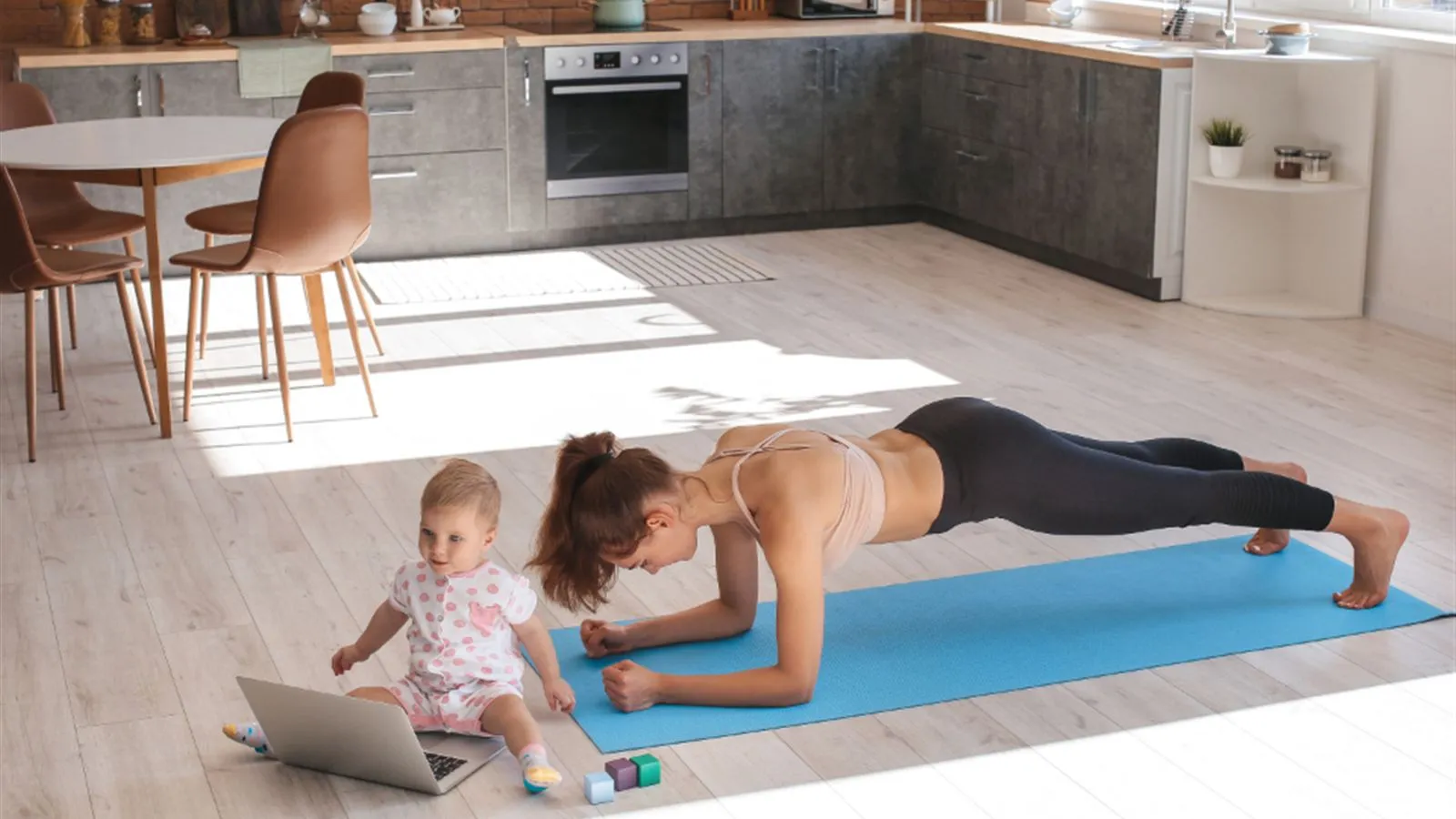
A 20-Minute Home Strength Workout (With Your Baby Nearby)
A gentle full-body routine for after your postnatal check, built around naps and floor time, with a 12-week progression.

A Postnatal Walking Plan: From 10 Minutes to 150 a Week
Walking is the easiest way back to fitness after birth. A gentle, week-by-week plan with the pram, plus how to know when to step it up.

Baby Blues or Postnatal Depression? How to Tell, and Where to Get Help
About 1 in 6 new mothers experience postnatal depression. The signs, how it differs from the baby blues, how movement can help, and when to reach out.