Working Women
A Week of Workday Meals That Actually Get Made
October 6, 2026 · 4 min read · Working Women
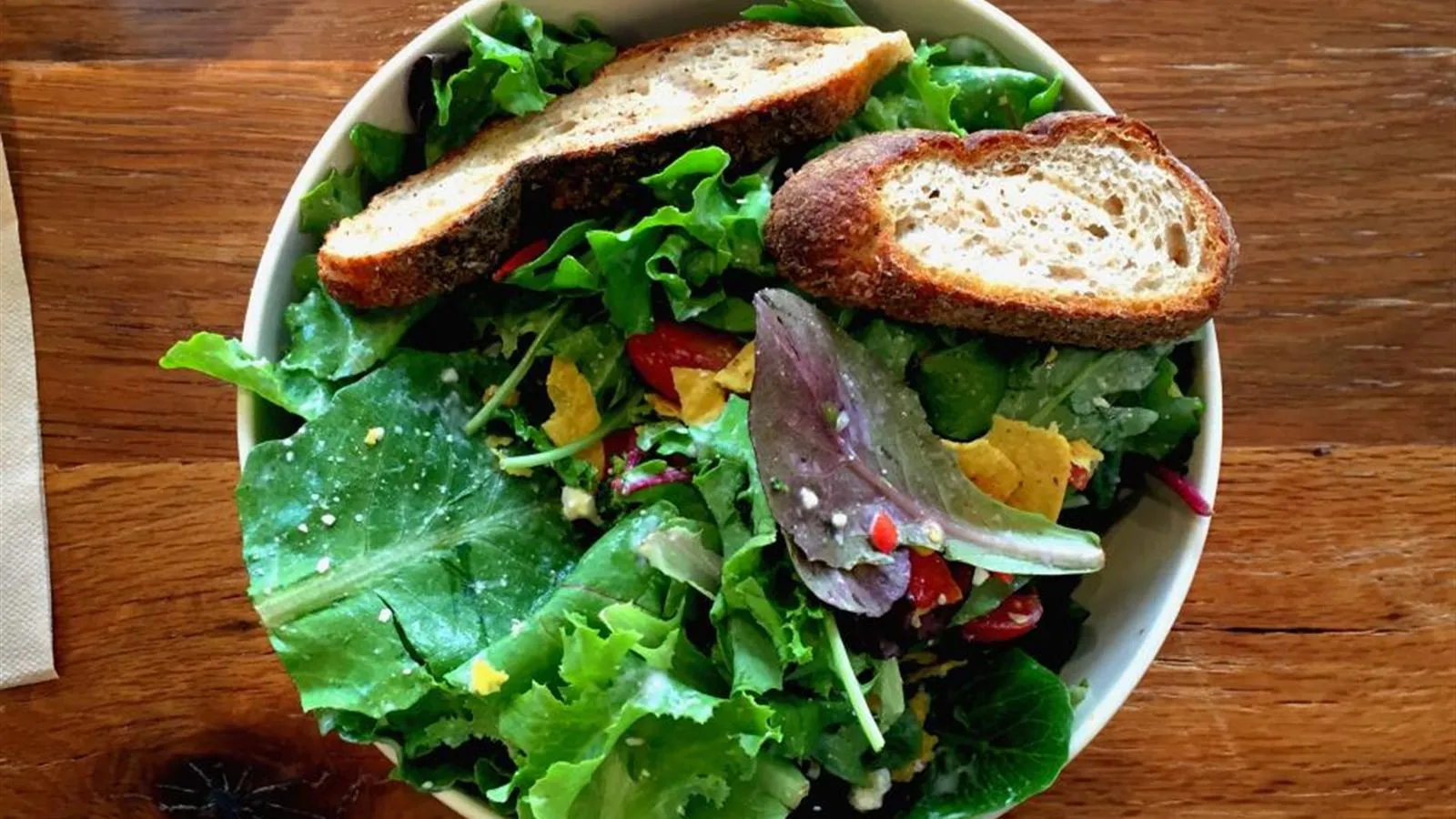
The plan that fails isn’t the one with the wrong macros — it’s the one that needs an hour of cooking at 8 p.m. after a long day. This week of meals is built around how working women actually live: one hour of prep on Sunday, lunches you can grab, and dinners that take 15 minutes.
The principles
- Protein at every meal. Spreading protein across the day in servings of roughly 20–40 g is the approach recommended by the ISSN (Jäger et al., 2017). It also keeps you fuller through long afternoons.
- Vegetables at lunch and dinner. Higher fruit and vegetable intake was linked to lower risk of heart disease, stroke and early death, with the lowest risk around 800 g a day (Aune et al., 2017).
- Cook once, eat twice. Every dinner makes enough for the next day’s lunch or a second dinner.
Sunday: 60-minute prep
| Time | Task |
|---|---|
| 0:00 | Oven on. Tray of chicken thighs (or tofu) and a tray of mixed vegetables in. |
| 0:10 | Cook a big pot of rice or quinoa. |
| 0:20 | Boil 6 eggs. Make overnight oats in 3 jars. |
| 0:35 | Make a jar of lemon-yoghurt dressing. Wash salad leaves. |
| 0:50 | Portion lunches into containers. Cool and refrigerate. |
Eat refrigerated cooked food within 3–4 days and freeze anything beyond that.
The 5-day plan
| Day | Breakfast | Lunch | Dinner |
|---|---|---|---|
| Mon | Overnight oats with berries | Chicken, roasted veg and quinoa bowl | 15-min salmon, couscous and spinach |
| Tue | Overnight oats | Leftover salmon couscous salad | Egg fried rice with frozen peas and edamame |
| Wed | Overnight oats | Chicken, roasted veg and rice bowl | Chickpea and spinach curry with rice |
| Thu | Greek yoghurt, fruit and granola | Leftover curry | Turkey or bean chilli wraps |
| Fri | 2 boiled eggs on toast with tomatoes | Chilli-filled baked potato or wrap | Treat night — takeaway or dinner out |
Snacks to keep at work
Greek yoghurt or skyr, a tin of tuna and crackers, a handful of nuts, fruit, edamame, protein bars as a backup.
The 15-minute dinner method
- Minute 0: pan on high, kettle on.
- Minute 2: protein in (salmon, prawns, eggs, chicken strips, tofu).
- Minute 6: vegetables in (frozen is fine).
- Minute 10: quick carb (microwave rice, couscous, fresh noodles, wraps).
- Minute 13: sauce, taste, plate.
Shopping list
| Category | Buy |
|---|---|
| Protein | 1 kg chicken thighs or 600 g firm tofu, 2 salmon fillets, 12 eggs, 500 g turkey mince or 2 tins kidney beans, 1 tin chickpeas, 500 g Greek yoghurt |
| Carbs | Rolled oats, rice or quinoa, couscous, wholegrain wraps, 2 large potatoes, bread |
| Veg & fruit | Bag of spinach, 3 peppers, 2 courgettes, 1 red onion, salad leaves, frozen peas and edamame, frozen berries, tomatoes, lemons |
| Cupboard | Curry paste, tinned tomatoes, soy sauce, chilli powder, olive oil |
Make it work for your household
- Partner or kids? Double the dinners and keep everyone’s portions flexible.
- Vegetarian? Use tofu, eggs, beans and lentils as the proteins.
- Eating out on Friday? That’s part of the plan, not a failure of it.
Swaps for every diet
| If you… | Swap |
|---|---|
| Are vegetarian | Chicken → halloumi or tofu; salmon → eggs; chilli → beans only |
| Are vegan | Yoghurt → soy yoghurt; eggs → tofu scramble; dairy dressing → tahini-lemon |
| Avoid gluten | Couscous → quinoa; wraps → corn tortillas; certified gluten-free oats |
| Don’t eat fish | Salmon → chicken or prawns (if you eat shellfish) |
Protein check
| Meal | Example | Protein (approx.) |
|---|---|---|
| Overnight oats with yoghurt and milk | Breakfast | 25 g |
| Chicken, roasted veg and quinoa bowl | Lunch | 35 g |
| Salmon, couscous and spinach | Dinner | 35 g |
| Greek yoghurt or skyr | Snack | 15 g |
That’s around 110 g of protein — in line with 20–40 g per meal (Jäger et al., 2017). Use our calorie and macro calculator to set your own targets.
Freezer backups
On Sunday, cook double of one dinner (curry or chilli work best) and freeze it in single portions. When the week falls apart, a frozen portion and microwave rice is dinner in 8 minutes.
Fruit and veg count
This plan includes vegetables at lunch and dinner and fruit at breakfast. Add a piece of fruit as a snack and you’ll get close to the 800 g a day linked to the lowest risk of heart disease and early death (Aune et al., 2017).
FAQ
Is it okay to eat the same breakfast every day? Yes. Repetition removes decisions; vary lunch and dinner instead.
What if I skip Sunday prep? Use the 15-minute method every night and buy pre-cooked rice and roasted chicken.
The bottom line
One hour on Sunday plus 15-minute dinners gives you a week of high-protein, vegetable-rich meals without evening cooking marathons. Plan for real life — including Friday night off.
Sources
- Jäger R et al. (2017). International Society of Sports Nutrition Position Stand: protein and exercise. Journal of the International Society of Sports Nutrition. doi:10.1186/s12970-017-0177-8
- Aune D et al. (2017). Fruit and vegetable intake and the risk of cardiovascular disease, total cancer and all-cause mortality. International Journal of Epidemiology. doi:10.1093/ije/dyw319
This article is general education for healthy adults, not medical advice. Check with a qualified professional before starting a new exercise or nutrition plan, especially if you have a medical condition. Full disclaimer.
Keep reading

Morning or Evening Workouts? Pick the One You'll Keep
The best time to train is the one that survives your real week. How to choose, and how to turn it into an automatic habit.

Strength Training After 40: Muscle, Bones and Menopause
Why lifting matters more with every decade, what the LIFTMOR trial found about bone density, and how to start safely.

Exercise for Stress and Low Mood: What a Huge Review Found
An overview of 97 reviews covering more than 128,000 people found physical activity meaningfully reduced depression, anxiety and distress. Here's how to use it.